
Light Requirements
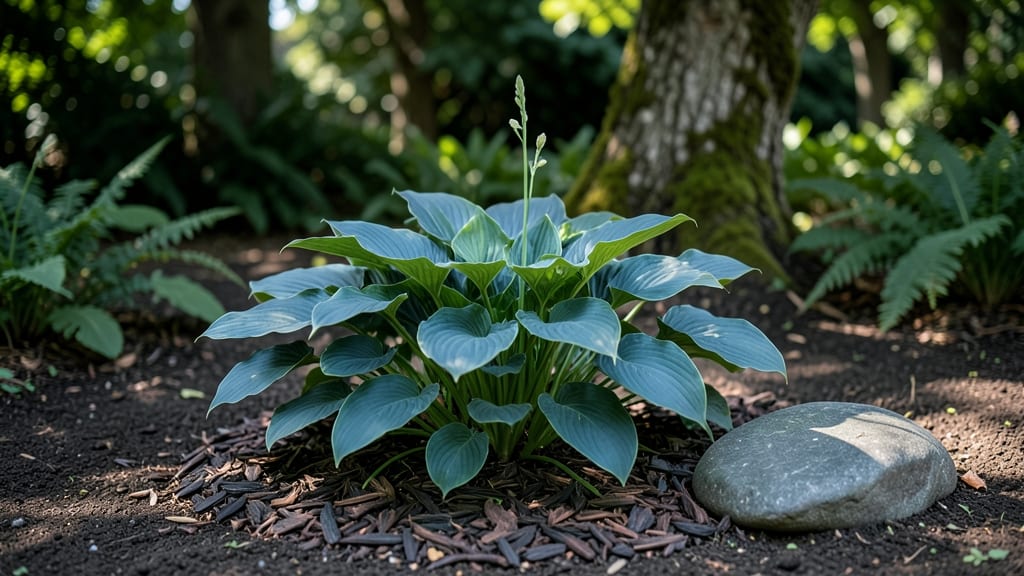
Full shade plants in Zone 9 don’t just survive—they create dramatic, velvety jungles where others would wither. 🌿 I’ve transformed my shady corner into a thriving oasis by choosing plants that love humidity, dappled light, and rich soil, proving that deep shadows aren’t a limitation but a specialty.
The secret is matching plants to their natural habitat: ferns, hostas, and impatiens flourish where sun barely touches, while native options like California wild ginger and sword ferns handle the heat and moisture. Most need consistent moisture but dread soggy roots—well-draining soil is non-negotiable.
Plant in early spring or fall when temperatures cooperate, and watch them spread like a living carpet. By summer, you’ll have lush foliage, delicate blooms, and a space that feels alive even under towering trees.
These plants handle Zone 9’s humidity without fuss, and their textures—from glossy leaves to feathery fronds—add depth to any garden corner. No more bare patches; just year-round interest. Perfect for patios, woodland gardens, or under large trees.
Here’s how to pick the right plants for your shade level and soil type—no guesswork, just growth.
📚 In This Guide
- What you need
- Instructions
- Tips and common mistakes
- Wrapping up and next steps
What you need
- ● Full shade plants (Zone 9-hardy): 3–5 mature plants (e.g., Hosta, Ferns, Calathea, or Impatiens). Check local nurseries for native varieties!
- ● Well-draining potting mix: 2–3 bags (50 lbs each) for garden beds or containers. Look for peat-free options with perlite or compost.
- ● Organic mulch: 1–2 bags (e.g., shredded bark or pine straw) to retain moisture and suppress weeds.
- ● Slow-release fertilizer: 1–2 lbs of 10-10-10 or balanced organic fertilizer (e.g., fish emulsion or worm castings).
- ● Garden tools: Trowel or hand shovel (for transplanting)
- ● Pruners (sterilized)
- ○ Gloves (optional but recommended)
- ● Watering can or hose with nozzle: A gentle spray setting is key for delicate foliage.
- ○ Drip irrigation or soaker hose (optional but helpful): For consistent moisture, especially in deep shade.
- ● Container gardeners: 2–4 12–18-inch pots with drainage holes (terracotta or fabric grow bags).
- ● Shade cloth (10–30% coverage): If your "shade" spot gets partial sun on occasion, use this to filter light.
- ● Compost or aged manure: Mix 1–2 cups per planting hole for extra nutrients.
- ● Plant markers: Label plants if you’re experimenting with varieties!
- ● Fungal preventative: Copper fungicide (for humid Zone 9 climates) to preempt powdery mildew.
How to select and care for thriving full-shade plants in Zone 9
Here's the straightforward approach I use to transform shady spots into lush, low-maintenance gardens.
🌿 Step 1: Choose the Right Plants for Zone 9 Shade
Start with shade-tolerant natives and classics that handle less than 3 hours of direct sun daily. My top picks for Zone 9 include ferns like Boston fern and Autumn fern, which thrive in damp, shaded conditions, and heuchera (coral bells) for vibrant foliage. Other winners are hostas for texture, caladiums for tropical color, and Japanese painted ferns for delicate fronds.
I always check the plant tags for "partial to full shade" labels—this ensures you're not bringing home sun-lovers that will wilt. For deeper shade (like under large trees), opt for foamflower or sweet woodruff, which handle even less light. These plants won’t just survive—they’ll flourish where others fail.
🪴 Step 2: Prepare the Soil for Moisture-Retentive Growth
Full-shade plants often struggle in dry or compacted soil, so amend your garden bed with 3 inches of organic compost mixed into the top 6 inches of soil. This improves drainage while holding moisture—critical for shade plants that rely on consistent dampness. I like to work in a handful of perlite or coarse sand if your soil feels heavy or clay-like.
Test your soil’s moisture by squeezing a handful—if it crumbles easily, it’s too dry. If it stays clumped, it’s too wet. Aim for a texture that holds together when pressed but breaks apart with gentle pressure. Mulch with 2-3 inches of shredded bark or wood chips to keep roots cool and retain moisture.
☀️ Step 3: Plant with Proper Spacing and Light Considerations
Dig holes twice as wide as the root ball but no deeper—this encourages roots to spread horizontally. Place each plant so the top of the root ball sits just below soil level, then backfill with amended soil, pressing lightly to remove air pockets. Space plants 12-18 inches apart for medium-sized foliage plants like heuchera, or 24 inches apart for larger specimens like ferns.
Pay attention to light gradients in your shade spot. The north side of a tree, for example, gets less light than the east side. Group plants with similar light needs together—caladiums near the brighter edges, Japanese painted ferns deeper under the canopy. Water deeply right after planting to settle the soil and eliminate air gaps.
💧 Step 4: Water Deeply and Maintain Consistent Moisture
Shade plants need 1-1.5 inches of water per week, either from rain or irrigation. I water mine 2-3 times per week in Zone 9’s dry summers, aiming for deep soakings that reach 6 inches down. Use a moisture meter or stick your finger in the soil—if the top 2 inches feel dry, it’s time to water.
Morning watering is best—it reduces fungal risks and lets foliage dry before evening. Avoid overhead sprinklers, which can promote leaf diseases in dense shade. Instead, use soaker hoses or drip irrigation placed at the base of plants. Yellowing leaves often signal underwatering, while brown edges mean overwatering or poor drainage.
✂️ Step 5: Prune and Fertilize for Long-Term Health
Cut back dead or yellowing leaves in early spring to encourage fresh growth. For ferns, trim brown fronds at the base with clean pruners, but leave healthy foliage intact. Heuchera benefits from removing spent flower stalks after blooming to redirect energy to foliage. I fertilize lightly once in early spring with a balanced 10-10-10 fertilizer or compost tea, as shade plants need less food than sun-lovers.
Real talk: Over-fertilizing shade plants leads to leggy growth and weak stems. Stick to half-strength applications every 6-8 weeks during the growing season. In late fall, reduce watering and let foliage die back naturally—this hardens off plants for winter dormancy in Zone 9’s mild climate.
Tips & tricks for perfect full-shade garden success
Transforming shady spots into thriving gardens takes more than just planting—here's how to give your Zone 9 shade plants the best possible start.
Light Gradient Strategy: Zone 9 shade isn't one-size-fits-all. The north side of trees gets the least light, while east sides receive morning sun that fades quickly. I group caladiums and heuchera near brighter edges where they'll get that extra 30 minutes of indirect light, while Japanese painted ferns and sweet woodruff go deeper under the canopy where they'll thrive in true deep shade. This simple arrangement prevents plants from stretching or fading.
Soil Texture Test: The perfect moisture balance starts with soil prep. After amending with 3 inches of organic compost and mixing in perlite, I do a simple squeeze test: press soil firmly—it should hold together but crumble when gently poked. Too crumbly? Add more compost. Still clumpy? Mix in additional perlite. This texture keeps roots happy without becoming waterlogged, which is especially critical for hostas and Boston ferns that need consistent moisture.
Planting Depth Secret: Most gardeners bury plants too deep, but shade plants actually prefer to sit slightly high. When planting, make sure the top of the root ball sits just below soil level—not buried. This prevents rot in damp conditions and encourages strong root growth. For heuchera and hostas, I even mound soil slightly around the base to create better drainage while keeping the crown exposed.
Watering Timing: The 2-3 times per week watering schedule works best when done in the morning. I set my timer for 7-8 AM to give foliage time to dry before evening humidity sets in. For newly planted shade gardens, I water deeply right after planting to settle soil, then again every 2-3 days until established. This mimics natural rainfall patterns and prevents the shock that causes yellowing leaves.
Pro Tips for Full Shade Plants Zone 9
- Transforming shady spots into thriving gardens takes more than just planting—here's how to give your Zone 9 shade plants the best possible start.
- Light Gradient Strategy: Zone 9 shade isn't one-size-fits-all.
- Soil Texture Test: The perfect moisture balance starts with soil prep.
Frequently asked questions
What are the best full shade plants for Zone 9 that require minimal maintenance?
Look for hardy perennials like Hosta, Ferns, or Heuchera. These thrive in low light and need little care beyond occasional watering. For ground cover, try Sweet Woodruff or Liriope—both are drought-tolerant once established.
How long does it take for full shade plants to establish in Zone 9?
Most full shade plants take 1–2 years to fully establish roots and foliage. During this time, water deeply once a week (or more in extreme heat) to encourage strong growth. Patience pays off—mature plants are far hardier!
Can I grow vegetables in full shade in Zone 9?
While most veggies need full sun, a few tolerate shade: Leafy greens (like kale or spinach), Bok choy, and Radishes can thrive with 4+ hours of indirect light. Pair them with shade-tolerant herbs like Parsley or Cilantro for a mini "shade garden."
Why are my full shade plants turning yellow in Zone 9?
Yellowing leaves often signal overwatering or nutrient deficiency. Check soil moisture—shady spots stay damp longer. Amend soil with compost and ensure proper drainage. If yellowing persists, test for chlorosis (iron deficiency) and apply chelated iron.
Are there any full shade trees that work well in Zone 9?
Yes! Consider Japanese Maple (for color), Southern Magnolia (fragrant blooms), or Crepe Myrtle (partial shade tolerance). For smaller spaces, Dwarf Ficus or Boxwood are excellent low-light options.
Wrapping up and next steps
Transforming your Zone 9 shade garden into a thriving oasis is easier than you think! 🌿 With the right full shade plants, you can create a lush, vibrant space that’s both beautiful and low-maintenance.
Whether you’re filling in dark corners or enhancing your patio, these shade-loving stars will reward you with year-round color and texture.
Ready to get growing? Start by sketching your space—note sun patterns, soil conditions, and moisture levels. Then, pick 2-3 plants from our top picks (like Caladiums or Hostas) and begin planting this weekend. Soon, you’ll be basking in the joy of a flourishing shade garden! 🌱