
Light Requirements
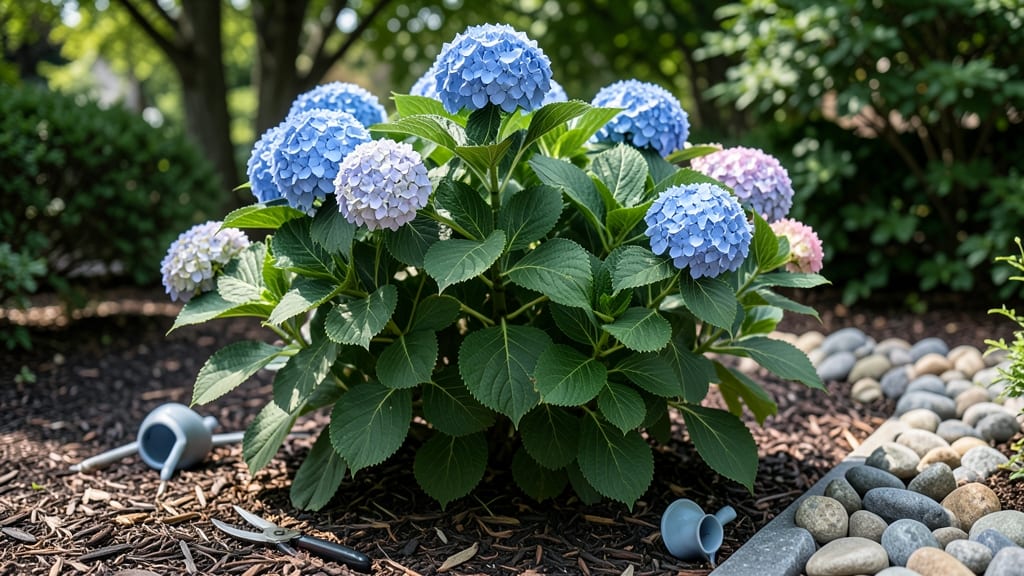
Plants that thrive in full sun to part shade need 4-6 hours of direct sunlight daily, handling dappled or filtered light when necessary. These adaptable varieties work beautifully in garden edges, under trees, or along patios. Try proven performers like coneflowers, black-eyed Susans, or daylilies for consistent results.
This light range creates the perfect balance for plants that can't handle harsh midday sun but also won't thrive in deep shade. 🌿 The key is their ability to adjust leaf structure—developing thicker cuticles or smaller leaves when exposed to more sun while maintaining enough chlorophyll to photosynthesize efficiently in filtered conditions.
I've seen this adaptability make all the difference in urban gardens where sunlight fluctuates throughout the day.
What makes these plants so valuable is their resilience across seasons. Many can tolerate brief periods of full sun without scorching, while still producing vibrant blooms or lush foliage when light is more diffused.
For example, Russian sage thrives with just 4 hours of direct light but still grows vigorously in partial shade, making it a top pick for mixed-light areas.
When selecting plants, always check their mature size—some varieties like bee balm or salvia may need occasional pruning to prevent leaf burn in hotter afternoons.
The secret lies in observing your garden's microclimates throughout the day, as east-facing spots often get gentle morning sun while west exposures can become intense in late afternoon.
💡 In This Article
- How Light Intensity Affects Adaptable Plants
- Top 10 Versatile Plants for Flexible Sun Exposure
How light intensity affects adaptable plants
Plants that thrive in variable light conditions have evolved sophisticated mechanisms to balance photosynthesis and energy conservation.
The key lies in their ability to adjust chlorophyll production—when exposed to 4-6 hours of direct sunlight, they synthesize more chlorophyll to capture abundant light energy, while in filtered conditions, they maintain just enough to sustain growth without overheating.
This dynamic process is called "photosynthetic acclimation," where leaf cells detect light intensity through specialized proteins called phototropins.
Leaf structure plays a crucial role in this adaptability. Plants in mixed-light environments often develop thicker cuticles (waxy coatings) to reduce water loss from intense afternoon sun while maintaining larger surface areas for light absorption in morning/evening hours.
For instance, daylilies grow slightly smaller leaves when exposed to more direct light, creating a more compact, heat-resistant form. Conversely, their leaves expand when light is diffused, maximizing surface area for photosynthesis.
What most gardeners don't realize is how temperature interacts with this process. In hot climates, plants with waxy leaves can reflect up to 30% more sunlight than smooth-leaved varieties, preventing leaf burn.
This is why Russian sage and black-eyed Susans flourish in 4-6 hours of sun—their foliage acts like natural sunscreen while still allowing sufficient light penetration for energy production. The trade-off? They may produce slightly fewer blooms in deep shade, but their foliage remains vibrant.
Another fascinating adaptation is the plant's ability to shift energy production between two pathways: the C3 pathway (used in cooler, shaded conditions) and the C4 pathway (activated in hot, sunny periods). This dual-system approach explains why coneflowers can handle both morning sun and afternoon shade without stress.
The transition happens at the cellular level, where enzymes like RuBisCO adjust their activity based on light availability—like a plant-sized dimmer switch for photosynthesis.
For gardeners, this means placement matters just as much as species selection. A spot receiving 3 hours of morning sun followed by 3 hours of filtered light creates ideal conditions for adaptable plants, while 6 hours of unbroken sun may cause leaf scorch in sensitive varieties.
The secret is observing how light moves across your garden throughout the day—east-facing beds often provide the perfect balance of gentle morning light and afternoon shade.
One practical tip: If you're transitioning a plant from shade to more sun, do it gradually over 2-3 weeks. Sudden exposure can cause chlorophyll breakdown, turning leaves yellow—a condition called "sunburn."
Start with 1 extra hour of light per week while monitoring leaf color. This slow adaptation gives the plant time to adjust its internal light-harvesting machinery without stress.