
Light Requirements
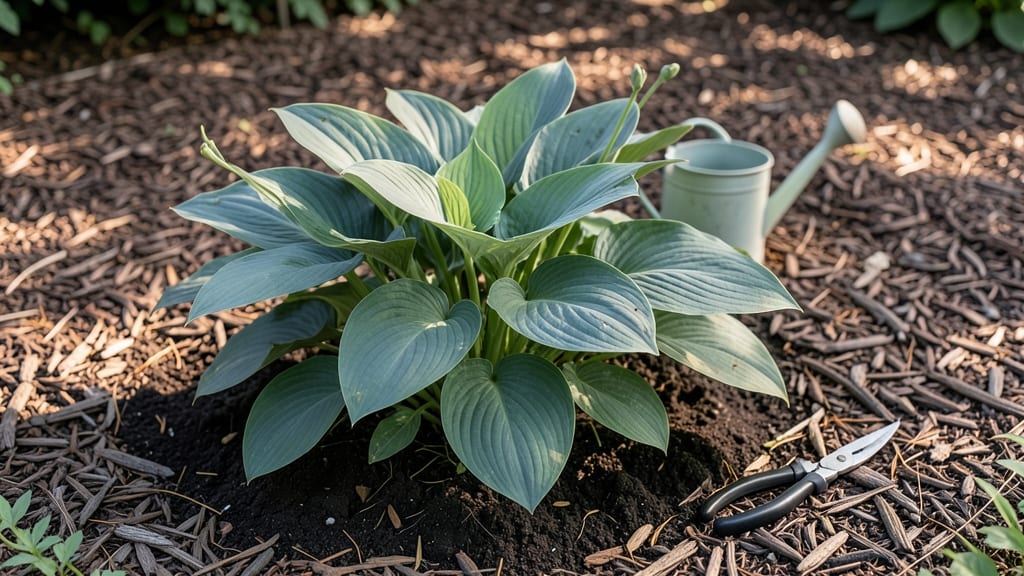
Hostas thrive in shade but can handle full sun if you pick the right varieties and care for them properly — the difference between crisp foliage and crispy edges comes down to placement and plant choice.
Picture this: you’ve spent hours selecting the perfect hostas 🌿, only to watch their leaves turn brown and ragged by midsummer. That’s the classic sign of too much sun, but it’s avoidable with the right knowledge.
Some hostas actually crave sunlight, while others wilt under even a few hours of direct rays.
In this guide, I’ll break down which hostas shine in full sun (like 'Halcyon' and 'Francee') and which ones prefer shade (think 'Blue Angel' or 'Guacamole'). You’ll also learn how to spot stress signals early and adjust your garden setup without killing your plants.
Whether you’re dealing with a bright border or a shady corner, you’ll leave here knowing exactly which hostas to plant and how to keep them looking their best year after year.

Best hostas for full sun: heat-tolerant varieties that won’t scorch
Most gardeners assume hostas need shade, but sun-loving varieties exist that thrive in full sun exposure—if you choose the right types. These heat-tolerant hostas feature thick, waxy leaves and deep root systems to handle intense light without scorching.
The key is selecting blue-green or chartreuse varieties with natural sun protection, like 'Halcyon' or 'Francee'.
Why risk leaf burn when you can grow vibrant hostas in sunny garden spots? These varieties not only survive but flourish with bold color and compact growth.
The trick is pairing them with consistent moisture and mulch protection to prevent stress. Let’s explore the top full-sun hostas and how to care for them properly.
⚠️ CRITICAL NOTE: Even sun-tolerant hostas need afternoon shade in Zone 8+ climates. If your area hits 90°F+ regularly, opt for morning sun only to avoid leaf scorch.
| Variety | Sun Tolerance | Leaf Color | Mature Size | Care Tips |
|---|---|---|---|---|
| 'Halcyon' | Full sun (6+ hrs) | Blue-green | 24" tall x 36" wide | Water deeply 2x/week; mulch heavily |
| 'Francee' | Full sun (with afternoon shade) | Chartreuse | 18" tall x 24" wide | Avoid overhead watering; use drip irrigation |
| 'Patriot' | Partial sun (4-6 hrs) | Blue-green with white edges | 20" tall x 30" wide | Fertilize monthly with balanced 10-10-10 |
| 'Blue Angel' | Partial sun (3-4 hrs) | Deep blue | 15" tall x 24" wide | Plant in well-draining soil with compost |
| 'Guacamole' | Partial shade (2-3 hrs) | Lime green | 12" tall x 18" wide | Ideal for shaded edges of sun gardens |
The 'Halcyon' variety stands out as the most sun-hardy hosta, handling 6+ hours of direct light without browning. Its thick, upright leaves reflect sunlight naturally, reducing heat stress. For hotter climates, pair it with rock mulch to keep roots cool—this combo works wonders in Zone 7-9 gardens.
If you notice yellowing edges or crispy leaf tips, your hosta is overheating. The fix? Move it to morning sun only and increase watering to 3x/week during heatwaves. Drip irrigation is your best friend here—it delivers water directly to roots without wetting leaves, which can magnify sunburn.
For compact sun gardens, 'Francee' is a game-changer. This chartreuse variety stays under 2 feet tall but packs bold color even in full sun. The secret?
Its waxy leaf surface repels heat better than standard hostas. Just avoid planting it in south-facing beds—afternoon sun will still scorch it after a few weeks.
Pro tip: Test your garden’s microclimates before planting. The north side of buildings or under deciduous trees often provide filtered sun perfect for hostas. Use a sun intensity meter (or your shadow at noon) to gauge light levels—6 feet of shadow = partial sun.
Mulching isn’t just decorative—it’s essential for sun hostas. Apply 3 inches of shredded bark around the base to insulate roots and lock in moisture. Replenish it every spring to maintain protection. Pair this with weekly deep watering (1-2 gallons per plant), and your sun hostas will stay
Top shade-loving hostas: varieties that stay lush in low light
If your garden has shady spots where sunlight barely reaches, don’t despair—hostas thrive there! These shade-tolerant varieties boast stunning foliage that stays vibrant even with minimal light. Unlike their sun-loving cousins, these hostas develop softer textures and deeper colors, making them perfect for woodland gardens or under trees.
Shade-loving hostas often feature blue-green, chartreuse, or variegated leaves because they produce more chlorophyll to capture limited sunlight. Their growth habits also differ—expect taller, more upright forms compared to compact sun varieties. With the right placement and care, these varieties will reward you with year-round interest.
🌿 Top Shade-Loving Hostas for Low-Light Gardens
- 'Blue Angel' – Blue-green leaves with wavy edges; thrives in full shade and stays compact (12-18" tall).
- 'Guacamole' – Chartreuse foliage with gold edges; loves partial shade and grows 24-30" tall.
- 'Francee' – Dark green leaves with creamy centers; tolerates deep shade and stays 18-24" tall.
- 'Patriot' – White-and-blue variegation; perfect for woodland gardens with 12-18" height.
- 'Halcyon' – Blue-green leaves with wavy margins; thrives in dappled shade and grows 20-24" tall.
To maximize their growth in dim spots, mulch heavily with organic matter like shredded leaves or compost. This helps retain moisture and nutrients while protecting roots from temperature swings. In full shade, these hostas may grow slower but develop richer colors and thicker leaves over time.
Watch for leggy growth or pale leaves—signs your hostas need slightly more light. If this happens, consider moving them to a sunnier spot or adding a reflective surface (like a white wall) to bounce light onto their foliage.
With the right variety and care, your shade garden will stay vibrant all season long!
For extra drama, pair these hostas with ferns, astilbes, or heucheras to create layered texture in low-light areas. Their contrasting leaf shapes and colors will make your garden shine—even in the darkest corners. 🌿