
Orchid Care
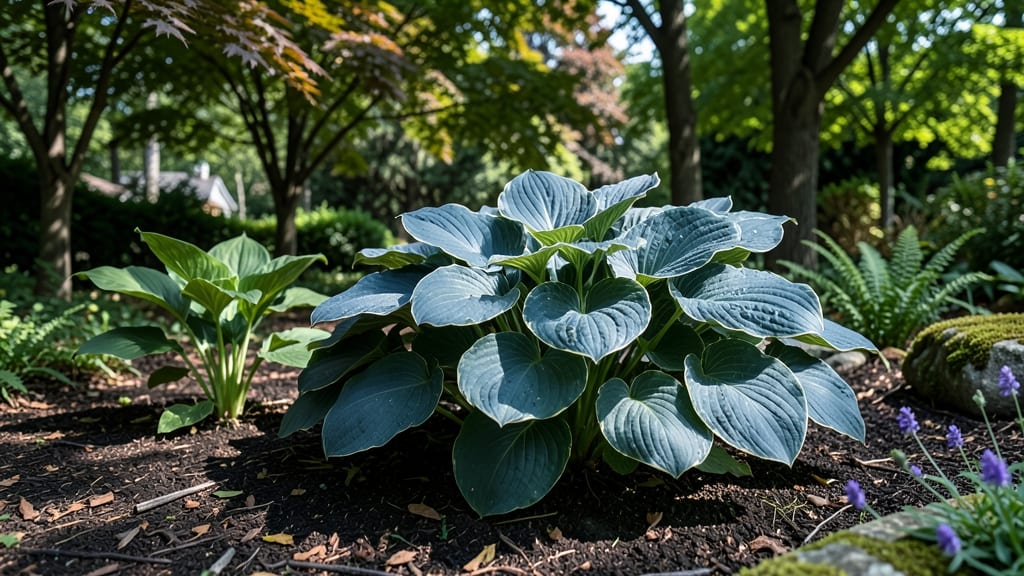
Hostas like shade more than sun, but they need just the right balance to stay happy and healthy 🌿 — think of them as the Goldilocks of the garden.
If you’ve ever wondered why your hostas look lackluster—despite your best gardening efforts—light exposure might be the culprit. These stunning perennials thrive in conditions that surprise many gardeners, and getting it right could mean the difference between vibrant foliage and sad, yellowing leaves.
Too much sun can scorch those lush leaves, while too little shade leaves them weak and stretched out. The secret? Partial shade with a few hours of gentle morning sunlight is the sweet spot for most varieties.
In this guide, I’ll break down exactly how much light your hostas need, how to spot when they’re not getting it right, and what plants to pair with them for the perfect shade garden setup.
 Best Window Placement
How much sun or shade hostas actually need (and why it matters)
Hostas are often called the "queens of shade," but their light requirements are more nuanced than you might think. While they do love shade, not all shade is created equal—and too much sun can turn their stunning foliage into crispy, sad remnants.
Understanding the science behind their UV sensitivity helps explain why some hostas thrive while others struggle, even in the same garden.
The key lies in balanced light exposure. Hostas evolved in woodland understories, where they receive dappled sunlight through tree canopies. This means they need partial shade, typically 3-6 hours of morning sun with afternoon protection.
The intensity of sunlight matters just as much as the duration, which is why afternoon sun often causes more damage than morning rays.
| Light Condition | Ideal for Hostas? | Effects on Plant | Best For |
|---|---|---|---|
| Full Shade | ✅ Yes | Healthy growth, vibrant colors, minimal stress | Northern climates, deep shade gardens |
| Partial Shade (3-6 hrs sun) | ✅ Ideal | Balanced growth, strong stems, optimal foliage | Most regions, dappled sunlight areas |
| Morning Sun Only | ✅ Good | Healthy growth, minimal leaf burn risk | Southern climates, east-facing gardens |
| Afternoon Sun | ❌ Risky | Leaf scorch, crisp edges, weakened growth | Avoid in hot climates |
| Full Sun (6+ hrs) | ❌ Avoid | Severe leaf burn, stunted growth, poor foliage | Never recommended |
The science behind hosta light needs comes down to their chlorophyll sensitivity. Hostas produce less chlorophyll in direct sunlight, which weakens their ability to photosynthesize efficiently. This leads to oxidative stress, causing the telltale signs of leaf burn—brown, crispy edges that ruin their lush appearance.
In contrast, filtered or indirect light allows them to maintain healthy chlorophyll levels while still producing energy for growth.
Regional differences play a huge role in hosta care. In the Northern U.S. (zones 3-5), hostas can handle full shade year-round because the sun is less intense. However, in the Southern U.S. (zones 7-9), even partial shade requires afternoon protection.
For example, a blue hosta in Georgia might need only 3 hours of morning sun, while the same variety in Minnesota could thrive with 6 hours of dappled light.
One common misconception is that all shade is equal. Deep, dark shade (like under dense evergreens) can actually weaken hosta growth over time by reducing photosynthesis. The goal is bright, indirect light—think of it like a sun-dappled forest floor.
If your hostas are planted under a thick canopy, consider thinning the trees or adding a light-colored mulch to reflect more light onto the leaves.
For container-grown hostas, light needs are even more critical because they have limited root space to recover from stress. Place pots near east-facing windows or under sheer curtains to filter harsh rays.
In outdoor containers, rotate them occasionally to ensure even light exposure on all sides, preventing lopsided growth or bleached foliage.
If you're unsure about your garden's light conditions, try the "shadow test". Place a white sheet of paper on the ground where you plan to plant and observe its shadow throughout the day.
If the shadow is less than 6 inches tall by midday, that spot gets too much direct sun. For ideal hosta light, aim for a shadow that’s 12-18 inches tall during peak sunlight hours.
Pro tip: Variegated hostas (like 'Halcyon' or 'Francee') are even more sensitive to light than solid-colored varieties. Their white or yellow stripes lack chlorophyll, making them prone to sunburn if not protected.
These cultivars often need more shade than their green counterparts, sometimes as little as 2-3 hours of morning light.
Remember, the goal isn't to avoid all sunlight—hostas still need some to produce energy. It's about finding that sweet spot of partial shade where they can grow strong without risking damage.
With the right light conditions, your hostas will reward you with bold foliage, lush growth, and even those prized blooms in summer.
Signs your hostas aren’t getting the right light (and how to fix it)
Hostas are the unsung heroes of shade gardens, but even they can send distress signals when their light needs aren’t met. Too much sun? You’ll spot bleached patches or crispy leaf edges.
Too little? Weak stems and sparse blooms give them away. The key is finding that sweet spot—3-6 hours of morning sun with afternoon shade—where their foliage stays lush and vibrant.
I’ve seen hostas in my own garden go from thriving to struggling when I moved them under a hot afternoon sun. The difference was night and day—literally. Their leaves turned a dull, yellowish-green, and the edges curled like they’d been sunburned.
If your hostas look like they’ve been through a heatwave, it’s time to reassess their light situation.
Hostas in Sun vs. Shade: Quick Fixes
✅ Too Much Sun
- Bleached or white patches on leaves
- Crispy, brown edges (like sunburn)
- Stunted growth despite plenty of water
✅ Too Little Sun
- Weak, leggy stems reaching for light
- Pale, sparse foliage with few blooms
- Slow growth even with fertilizer
Don’t panic if your hostas are struggling—most issues can be fixed with a few simple adjustments. Start by pruning damaged leaves to encourage new growth. Then, consider adding a light-colored mulch around the base to reflect sunlight away from the foliage.
For hostas in deep shade, try moving them closer to a north-facing window or under a tree canopy that filters light gently.
If you’re dealing with overcrowded hostas, thin them out by dividing clumps in early spring. This not only gives each plant more room to breathe but also improves air circulation, reducing the risk of fungal issues caused by poor light and moisture buildup.
I’ve found that hostas planted in groups of 3-5 thrive better because they create their own microclimate.
For container-grown hostas, choose pots with light-colored interiors to reflect heat and prevent root stress. Place them on elevated stands or under sheer curtains to diffuse harsh sunlight. In extreme cases, a shade cloth (30-50% coverage) can work wonders during peak summer hours.
Just remember: hostas are not sun lovers, so err on the side of caution.
Finally, observe your hostas throughout the day. If they’re basking in direct afternoon sun (especially in hot climates), their leaves will tell the tale within weeks.
The goal is to mimic their natural woodland habitat—bright but indirect light—where they can put on their best foliage show without the stress. With the right light, your hostas will reward you with bold colors and lush growth year after year.