
Light Requirements
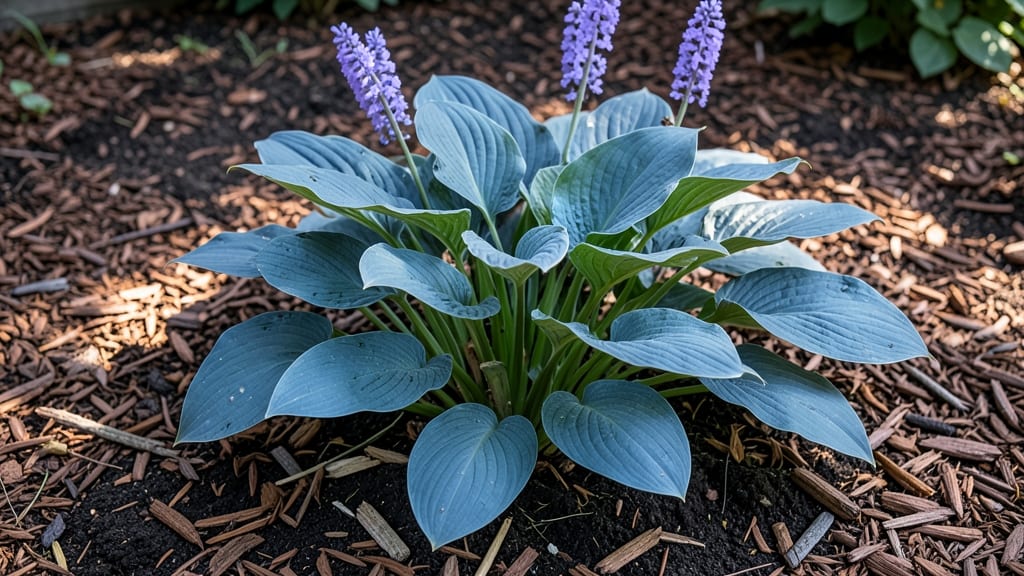
Do hostas need sun or shade—they actually do best with a balance, craving 4-6 hours of sunlight daily while avoiding the extremes of scorching sun or deep shade that dull their lush foliage.
Struggling to keep your 🌿 hostas vibrant? The wrong light conditions can leave them looking limp or scorched—yet most gardeners get it wrong by overestimating their shade tolerance. In hot climates, even morning sun can cause leaf burn, while deep shade makes them grow leggy and weak.
Here’s the exact light balance your hostas need: how to spot sun stress, which varieties handle more light, and simple fixes like shade cloth or companion planting to keep them happy year-round.
From USDA Zone 6a gardens to full-sun spots, I’ll show you how to position hostas for maximum growth without the common mistakes that leave foliage struggling.
 Best Window Placement
Hostas in sun vs. shade: the ideal light conditions for healthy growth
If you’ve ever watched your hostas turn from lush green to crispy brown edges, you’ve likely battled the sun vs. shade dilemma. Hostas are famously shade-loving, but they’re not one-size-fits-all—some varieties handle partial sun better than others.
The key is understanding how much sunlight your specific hostas can tolerate without leaf scorch or stunted growth. Let’s break down the science behind their light needs and how to spot when they’re getting too much—or too little—sunlight.
Hostas thrive in partial shade, which typically means 4-6 hours of filtered sunlight per day. This could be morning sun with afternoon shade or dappled light from nearby trees. In USDA zones 3-9, where hostas grow best, the ideal spot often depends on your local climate.
Hotter zones (like 8-9) need more shade protection, while cooler zones (3-5) can handle slightly more sun. The goal? Mimic their natural woodland habitat where they’d receive indirect sunlight and moisture-retentive soil.
🌿📊 Summary Table: Hostas and Light Requirements
| Light Condition | Sunlight Hours | Best For | Signs of Stress |
|---|---|---|---|
| Full Shade | 0-2 hours | All hostas (especially variegated) | Leggy growth, pale leaves |
| Partial Shade | 3-6 hours (filtered) | Most hosta varieties | Healthy, vibrant foliage |
| Partial Sun | 6-8 hours (morning only) | Sun-tolerant varieties (e.g., 'Francee') | Brown leaf edges, crispiness |
| Full Sun | 8+ hours | None (unless acclimated slowly) | Severe leaf burn, wilting |
Most gardeners assume hostas need shade, but the truth is more nuanced. While they prefer shade, 3-6 hours of morning sunlight can actually enhance their color and growth—just avoid harsh afternoon rays.
In my Zone 5 garden, I’ve seen 'Blue Angel' hostas flourish with 4 hours of dappled shade from a nearby oak tree, while 'Halcyon' (a sun-tolerant variety) handles 6 hours of morning sun without issues. The difference? Acclimation and variety selection.
One of the biggest mistakes I see is placing hostas in full sun without gradual acclimation. If you’re transitioning a shade-loving hosta to more light, do it slowly—increase sunlight by 1-2 hours per week to prevent sunburn.
Watch for yellowing leaves or brown patches on the edges, which are classic signs of too much sun. Pro tip: Mulch with 3-4 inches of organic matter (like shredded bark) to keep roots cool and retain moisture, which helps mitigate sun stress.
Conversely, too little light leads to leggy growth and weak stems. If your hostas are stretching toward the light with sparse foliage, they’re begging for more brightness. In shady spots, consider reflective surfaces (like white gravel or a mirror) to bounce extra light onto their leaves.
I’ve even used UV-exposing grow lights in my basement garden to keep hostas thriving year-round—just 6-8 hours of artificial light mimics their ideal conditions.
Regional differences play a huge role in hosta care. In hot climates (Zones 8-9), even partial sun can be too intense, so prioritize afternoon shade or use shade cloth (30-50%) during peak hours.
In cooler zones (3-6), hostas can often tolerate more sunlight, especially if the soil stays consistently moist. For example, my friend in Zone 4 grows 'Patriot' hostas in full morning sun with no issues, while I’d risk scorching the same variety in Zone 7’s afternoon heat.
Variegated hostas are particularly sensitive to light. Without enough sunlight, their white or yellow stripes can fade to all-green, losing their stunning contrast. If you love variegated varieties like 'Francee' or 'Golden Tiara,' give them at least 3-4 hours of bright, indirect light daily.
For solid-green hostas, you have more flexibility—they’ll tolerate deeper shade but may grow more slowly. Always match your hosta’s foliage color to its light needs for the best results.
To test your hosta’s light conditions, perform the "shadow test" at midday. Trace the shadow cast by nearby structures or trees—if it covers your hosta for most of the day, you’re likely in the ideal partial shade range.
If the shadow disappears by noon, your hosta is getting too much sun. Adjust by moving plants, trimming overhanging branches, or adding a light-colored shade sail to diffuse harsh rays. Remember, hostas are forgiving but not indestructible—consistency is key.
For container-grown hostas, light needs change slightly. Pots dry out faster, so they often need more shade to prevent root stress. Place them under patio umbrellas or near north-facing windows where they’ll get gentle light without overheating.
I’ve found that terracotta pots (which breathe better) help regulate soil temperature, reducing the risk of sun damage in hot afternoons. If your container hostas are wilting by early afternoon, it’s a sign they’re getting too much direct sun—relocate them to a shadier spot immediately.
Finally, don’t overlook the role of seasonal light changes. Hostas planted in spring will naturally get more sunlight as trees leaf out, while those in fall may bask in longer daylight hours.
Monitor their foliage throughout the year and adjust their position as needed. With the right light balance, your hostas will reward you with bold colors, thick
How to fix sunburned or leggy hostas: light adjustment tips for every scenario
If your hostas are showing sunburned edges or stretching into leggy growth, your light balance is off. Too much sun causes crispy leaf tips, while too little shade makes plants reach for light, weakening their structure.
The good news? Adjusting light exposure is easier than you think, and I’ll walk you through the exact steps to revive your hostas—no matter your garden’s conditions.
Start by diagnosing the problem: yellowing leaves or brown scorch marks mean too much sun, while pale, thin foliage and weak stems signal insufficient light. Once you identify the issue, we’ll tackle it with pruning, mulching, or shade solutions tailored to your hosta’s needs and your yard’s layout.
Hostas thrive in 4-6 hours of morning sun or dappled shade. Harsh afternoon sun (especially in zones 7+) will scorch leaves, while deep shade causes leggy, weak growth. If your hostas are struggling, adjust light gradually—sudden changes shock plants.
For sunburned hostas, the first step is to provide relief. Move plants to a spot with morning sun only or install shade cloth (30-50%) over their current location. If relocating isn’t an option, prune the damaged leaves to encourage new growth and reduce stress.
Mulch with 2-3 inches of organic mulch (like shredded bark) to keep roots cool and retain moisture.
If your hostas are leggy and weak, they’re stretching toward light. Gradually increase shade by adding a lightweight shade sail or placing them under a tree with filtered light. Avoid full shade, as this slows growth and dulls foliage color.
Instead, aim for bright, indirect light—think under a canopy of tall trees or on the east side of your home.
Seasonal adjustments are key! In summer heat, hostas need more shade, while spring and fall allow for slightly more sun. Monitor their progress and tweak their position as needed.
For example, if your hostas look stressed in July, move them to a shadier spot until temperatures drop. This flexibility ensures they stay healthy year-round.
Pro tip: Group hostas with companion plants like ferns or astilbes to create natural shade and retain soil moisture. This mimics their native woodland habitat and reduces the need for artificial shade solutions. Over time, your hostas will reward you with bold, vibrant foliage and a sturdy growth habit.
With these light adjustment tips, your hostas will bounce back in no time. Remember, consistency is key—avoid drastic changes, and always observe how your plants respond to their new environment. Happy gardening! 🌿