
Planting
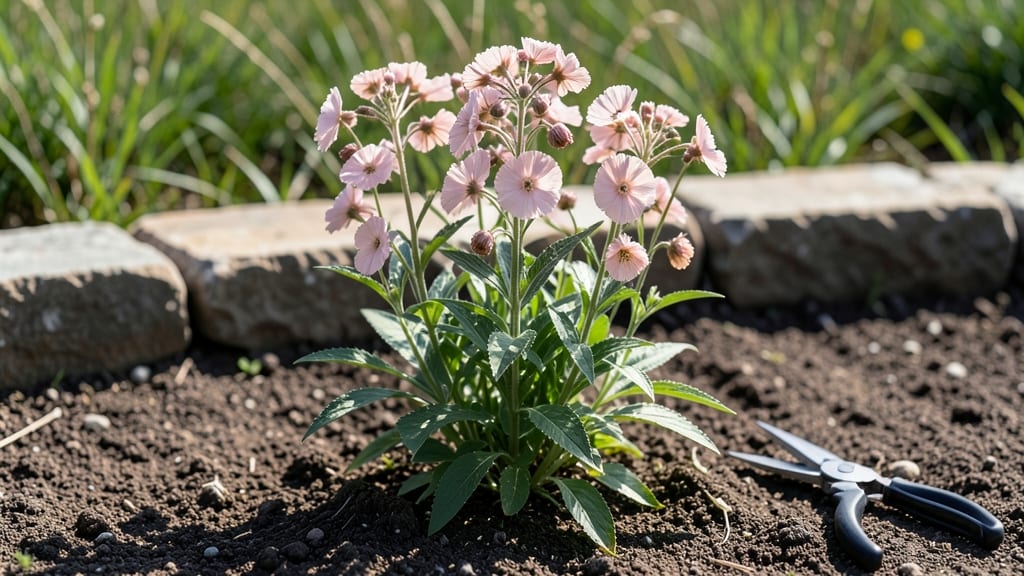
The gaura plant thrives in sun or shade—so why do some gardeners swear by partial shade for those extra-long, showier blooms?
Picture this: your 🌸 gaura plant throwing out delicate flowers all season, but you’re stuck guessing whether it’s getting too much sun or not enough. The truth? Gaura loves full sun but can handle partial shade with a few tweaks.
Let’s break down the light secrets so you can stop second-guessing and start enjoying those airy, dreamy blooms without the fuss.
Too much shade and you’ll end up with leggy stems and sparse flowers. Too much direct sun in hot climates, and those leaves might crisp at the edges. The key is finding that sweet spot where your gaura thrives—whether you’re in USDA Zone 6a or a sunnier region.
In this guide, you’ll learn exactly how much sun or shade your gaura needs, how to spot stress signals, and even how to pair it with the best companion plants for a low-maintenance, high-impact garden display.
 Best Window Placement
How sunlight affects gaura plant blooming: the ideal light balance
Gaura plants, also known as beeblossom, are prized for their long-blooming seasons and delicate, airy flowers. But to unlock their full potential, understanding their light requirements is key. While gaura thrives in full sun, it can adapt to partial shade with some adjustments.
The right light balance directly impacts bloom duration, plant health, and even growth patterns. Let’s break down what your gaura truly needs to shine.
The science behind gaura’s love for sunlight lies in its native habitat. Originating in open prairie regions of North America, gaura evolved to thrive under bright, direct light. This adaptation means it produces more energy through photosynthesis, leading to vibrant blooms and robust stems.
However, too much intense heat without proper care can stress the plant, while too little light results in leggy growth and sparse flowers.
Here’s the key: 6 to 8 hours of sunlight is the sweet spot for most gaura varieties. This range ensures continuous blooming from early summer through fall.
But if your garden lacks full sun, don’t worry—gaura can tolerate partial shade, especially in hotter climates where afternoon sun might be too intense. The trick is balancing light exposure with proper watering and well-draining soil.
🌸
If you’re growing gaura in partial shade, focus on morning sun to avoid the harsh afternoon rays. This setup mimics the natural light conditions gaura prefers and helps prevent heat stress.
Additionally, ensure your soil is well-draining, as shade can lead to waterlogged roots if drainage isn’t adequate. A light mulch layer can also improve soil health and moisture retention.
For container gardening, gaura does well in south-facing windows or on sunny patios. Rotate containers every few weeks to ensure even light exposure, which prevents the plant from leaning toward the light source.
If you notice yellowing leaves or stunted growth, it’s a sign the plant isn’t getting enough light. In such cases, consider moving it to a sunnier spot or supplementing with a grow light during shorter days.
Another pro tip: Deadheading spent blooms encourages more flowers, especially in sunny conditions. This practice signals the plant to redirect energy into producing new blooms rather than seeding. In partial shade, deadheading is still beneficial but may yield fewer flowers overall.
Pair this with regular pruning to maintain a compact shape and improve airflow, reducing the risk of fungal diseases.
Regional adaptations matter too. In hot, dry climates, like the Southwest U.S., gaura benefits from afternoon shade to prevent wilting. Meanwhile, in cooler, Northern regions, gaura can handle full sun year-round with minimal stress.
Always observe your plant’s response to its environment and adjust accordingly. If your gaura starts looking leggy or sparse, it’s time to reassess its light exposure.
🌿
Remember, gaura’s adaptability is one of its greatest strengths. While it prefers full sun, it can thrive in partial shade with the right care. The key is finding that ideal balance—one that keeps your gaura blooming beautifully and staying healthy throughout the growing season.
Experiment with different light conditions, and you’ll soon discover the perfect setup for your garden’s unique microclimate.
Signs your gaura needs more (or less) sun: troubleshooting light issues
Your gaura plant might be sending you clear signals about its sunlight needs, but it's easy to misread them. If your once-vibrant blooms have faded or your stems are stretching awkwardly, light exposure could be the culprit.
Gaura thrives in full sun but can adapt to partial shade with some adjustments. Let’s decode the signs and restore your plant’s health.
First, observe the bloom quality. Gaura that receives too little sun often produces fewer flowers, and those that do appear may be smaller and less vibrant.
In contrast, excessive heat without proper watering can cause flowers to wilt quickly. Both scenarios indicate your plant isn’t getting the perfect balance of light and care.
⚠️ ⚠️ CAUTION: Common Light Mistakes with Gaura ⚠️
Check the leaf color for another clue. Yellowing leaves often signal too much shade, while crispy, brown edges can mean excessive sun exposure combined with dry soil. Both issues are fixable with simple adjustments—whether it’s moving your plant or adding mulch to retain moisture.
For Southern gardeners, afternoon shade becomes crucial during peak summer months. Use lightweight shade cloth (30-50%) to filter harsh rays while still allowing plenty of bright indirect light.
In Northern regions, aim for a south-facing location where your gaura can soak up morning sun and gentle afternoon light.
Don’t ignore stem elongation either. If your gaura’s stems stretch tall and weak, it’s reaching for more light—a classic sign of insufficient sunlight. To fix this, trim back the leggy stems and gradually move the plant to a sunnier spot over a week to avoid shocking the roots.
Finally, consider seasonal adjustments. Gaura can handle partial shade in summer but may need more sun in cooler months. Rotate your plant’s position seasonally or use reflective surfaces like white gravel to bounce extra light onto its leaves during winter.
With these tips, your gaura will bounce back with healthier foliage and prolonged blooms—no guesswork required. 🌿