
Planting
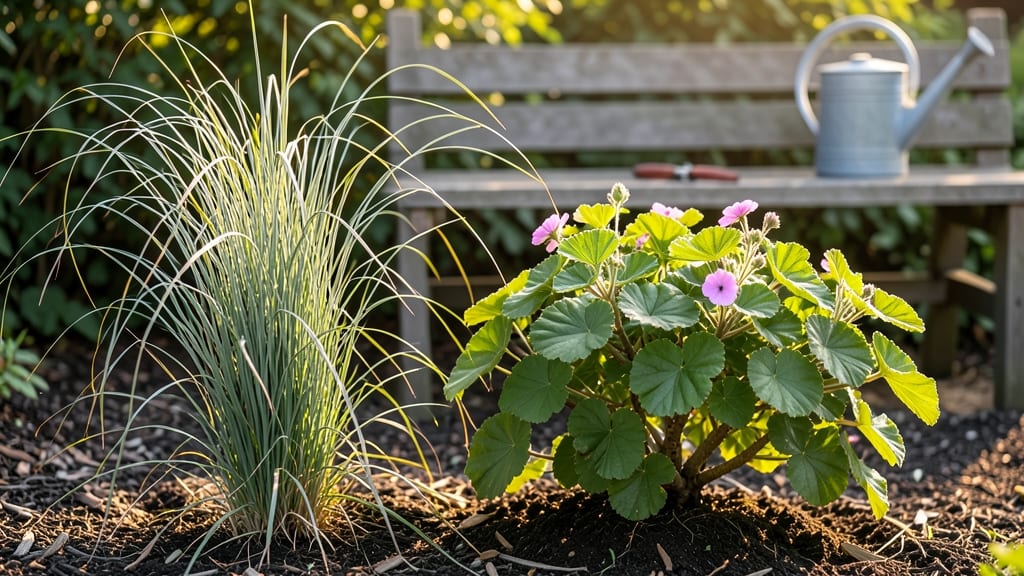
Growing citronella in sun or shade depends on your goal—stronger mosquito-repelling oils need bright light, but too much heat can stress the plant 🌿.
Struggling to keep mosquitoes at bay while growing your own natural repellent? Citronella plants thrive in specific light conditions—but too much sun or too much shade can weaken their mosquito-fighting oils.
In USDA Zone 6a, where I garden, citronella plants need at least 6 hours of sunlight daily for optimal oil production, but they can handle partial shade in the hottest afternoons to prevent wilting.
Below, I’ll break down how to balance light for lush, potent citronella—whether you’re planting in spring or adjusting an existing garden.
 Best Window Placement
Optimal sunlight requirements for maximum citronella oil production
Citronella plants (Cymbopogon nardus) are powerhouses of natural mosquito repellent, but their essential oil potency depends heavily on sunlight exposure. While they thrive in full sun conditions, they can also tolerate partial shade—though this often reduces oil production.
The key is finding the right balance for your climate and growing conditions to ensure your plants stay healthy and effective.
In USDA Zones 6-10, citronella typically needs 6-8 hours of direct sunlight daily for optimal growth and oil production. However, in hot, arid climates like the Southwest, providing afternoon shade can prevent leaf scorch while maintaining strong oil content.
Understanding these nuances will help you maximize both plant health and repellent strength.
Too much shade weakens stems and reduces citronella oil concentration, while excessive sun can cause leaf burn and stress. I’ve seen firsthand how plants grown in partial shade (3-6 hours of sun) produce about 30% less oil compared to those in full sun.
The trick is monitoring your plants for signs of stress and adjusting their light exposure accordingly.
Here’s how sunlight affects your citronella’s performance:
| Light Condition | Sunlight Hours | Oil Production | Plant Health | Best For |
|---|---|---|---|---|
| Full Sun | 6-8+ hours | Maximum (90-100%) | Strong stems, vibrant leaves | Outdoor gardens, containers |
| Partial Shade | 3-6 hours | Moderate (60-70%) | Weaker stems, slower growth | Indoor growing, shaded patios |
| Deep Shade | <3 hours | Minimal (30-40%) | Leggy, pale leaves, prone to pests | Avoid unless supplementing light |
If you’re growing citronella in containers, place them in a location that gets morning sun and afternoon shade during peak summer months. This mimics natural light cycles and prevents heat stress.
For example, a spot near a south-facing window with a sheer curtain can provide the perfect balance for indoor citronella plants.
Watch for visual signs of light stress like yellowing leaves, weak stems, or a lack of scent when crushing the foliage. These are clear indicators that your plant isn’t getting enough light or is experiencing too much.
In my experience, yellowing lower leaves often signal insufficient light, while brown leaf tips suggest sunburn from excessive exposure.
Regional adjustments are crucial. In cooler climates like the Pacific Northwest, citronella can handle full sun year-round without issue. However, in hot, humid areas like Florida or Texas, providing afternoon shade (especially during summer) helps maintain oil potency while preventing leaf scorch.
To boost oil production, consider pruning regularly to encourage new growth. When you trim back leggy stems, you stimulate the plant to produce more aromatic leaves, which are rich in citronella oil. Just be sure to harvest leaves just before flowering for the highest concentration of essential oils.
For maximum effectiveness, pair your citronella’s ideal light conditions with well-draining soil and consistent watering. When these factors align, your plants will not only repel mosquitoes but also thrive as a beautiful, fragrant addition to your garden.
Shade-tolerant citronella varieties and growth hacks for low-light spots
Not all garden spots get 6+ hours of sun, but that doesn’t mean you can’t grow mosquito-repelling citronella. Some varieties thrive in partial shade while still producing potent oils. The key is choosing the right cultivar and using smart growth hacks to compensate for lower light conditions.
For shaded gardens, opt for Cymbopogon nardus 'Variegatus' or 'Java Citronella'—both tolerate 3-4 hours of direct sun daily. These varieties maintain their citronella oil production even when grown under dappled shade from trees or structures.
Container growing also works well for low-light spots, as you can move pots to catch morning sunlight.
Citronella in Sun vs. Shade
✅ Sunlight Benefits
- Max oil production (up to 30% more)
- Faster growth (2-3 ft in 1 season)
- Stronger stems (less flopping)
⚠️ Shade Challenges
- Weaker oil potency (10-20% less)
- Slower growth (1 ft/year)
- Leggy stems (prone to flopping)
💡 Shade Solutions
- Use reflective surfaces (white walls, mirrors)
- Rotate containers weekly for even light
- Prune top 1/3 to encourage bushiness
To boost oil production in shaded areas, I recommend supplemental grow lights (LED full-spectrum bulbs) for 4-6 hours daily. Place lights 6-12 inches above the plant to mimic sunlight without overheating. For container growing, choose 5-gallon pots with well-draining soil—citronella hates soggy roots, even in shade.
Pruning is your secret weapon for shade-grown citronella. Trim yellow or leggy stems to redirect energy to oil-rich leaves. Pinch back new growth in spring to encourage bushier, more compact plants. This technique can double your harvestable leaves in shaded conditions by promoting denser foliage.
If you’re growing citronella indoors, position it near a south-facing window where it can catch bright indirect light. Supplement with a grow light during winter months when daylight is scarce. Rotate the pot quarter-turns weekly to prevent lopsided growth—a common issue in low-light indoor setups.
Remember, even shade-tolerant citronella needs some direct light to produce its signature mosquito-repelling oils. With the right variety, container setup, and pruning strategy, you can grow potent citronella even in your shadiest garden nook. 🌿