
Light Requirements
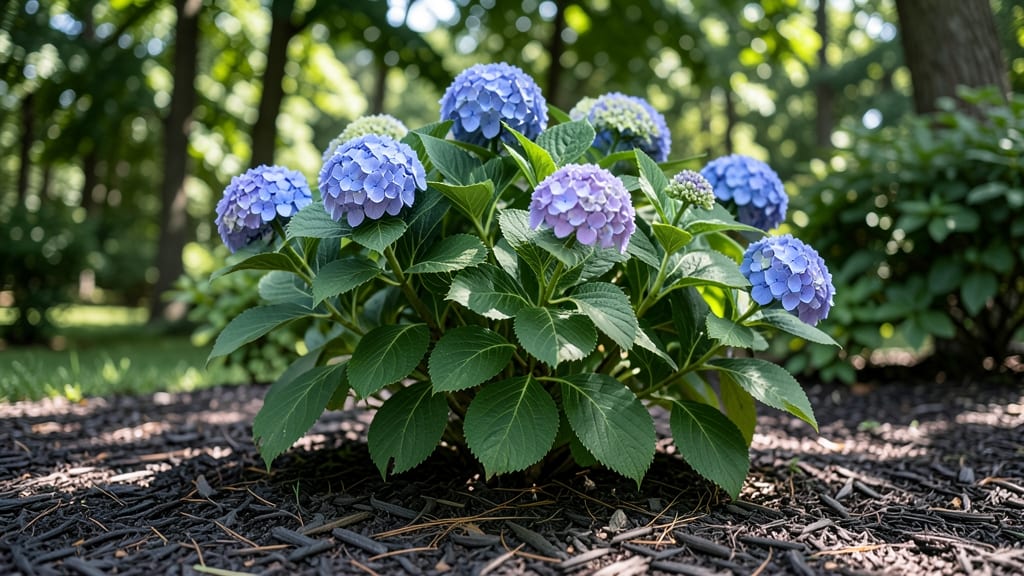
Hydrangeas like shade more than you might think — these stunning 🌸 shrubs actually prefer partial shade for the most vibrant blooms and lush foliage.
If you’ve ever wondered why your hydrangeas aren’t blooming as beautifully as expected, light exposure might be the hidden culprit. Many gardeners assume hydrangeas need full sun, but too much direct light can actually stress them, leading to smaller flowers and faded leaves.
The key is finding the right balance: most hydrangeas thrive with 3 to 6 hours of morning sun followed by afternoon shade. This setup keeps their leaves from scorching while still giving them enough light to produce those iconic, show-stopping blooms.
In this guide, you’ll learn which varieties handle shade best, how to spot signs of poor lighting, and simple tricks to adjust your garden setup for peak hydrangea performance—no matter where you live.
 Best Window Placement
How much shade do hydrangeas actually need for optimal growth?
Hydrangeas are often misunderstood as shade-loving plants, but the truth is more nuanced. While they do thrive in partial shade, their light needs vary dramatically by variety. Bigleaf hydrangeas, for example, prefer morning sun and afternoon shade, while panicle types can handle more direct sunlight.
Let’s break down exactly how much shade your hydrangeas need—and how to avoid common mistakes that stunt their growth.
The biggest misconception is assuming all hydrangeas love deep shade. In reality, too little light leads to sparse blooms and leggy growth, while excessive sun can scorch leaves and reduce flower production.
Understanding your specific variety’s tolerance is key to achieving those lush, vibrant blooms you love. Let’s explore the ideal conditions for each type.
| Variety | Ideal Light | Shade Tolerance | Bloom Impact |
|---|---|---|---|
| Bigleaf (H. macrophylla) | Morning sun + afternoon shade | High (3-6 hrs sun max) | Larger blooms in shade |
| Panicle (H. paniculata) | Full sun to partial shade | Moderate (handles 6+ hrs sun) | More blooms in sun |
| Oakleaf (H. quercifolia) | Partial shade to dappled light | High (avoid hot afternoon sun) | Rich fall foliage in shade |
| Smooth (H. arborescens) | Partial shade to full sun | Moderate (tolerates 6-8 hrs sun) | Best blooms in sun |
Bigleaf hydrangeas, like the popular Endless Summer series, prefer 3-6 hours of morning sun followed by afternoon shade. This balance prevents leaf scorch while ensuring abundant blooms. I’ve found that planting them near a north-facing wall or under light dappled trees works beautifully in my garden.
The key is avoiding harsh afternoon rays, which can bleach petals and stress the plant.
Panicle hydrangeas, such as Limelight or Little Lime, are far more adaptable. They thrive in full sun but still perform well with 4-6 hours of light daily. In my experience, these varieties actually produce more blooms when given full sun exposure.
If you’re growing them in a sunnier location, just ensure the soil stays consistently moist to prevent wilting.
Oakleaf hydrangeas, with their stunning fall foliage, love partial shade but can tolerate morning sun. The secret to their success is protection from hot afternoon sun, which can cause leaf burn.
I’ve noticed that when planted under deciduous trees, they get just the right amount of filtered light, resulting in vibrant blooms and rich fall colors.
One common mistake gardeners make is assuming all hydrangeas need deep shade. Too little light leads to smaller blooms and leggy stems, while too much sun can cause leaf scorch and faded flowers.
The solution? Observe your plant’s response: if leaves are yellowing or curling, it’s getting too much sun; if growth is spindly with few blooms, it needs more light. Adjust accordingly!
For container-grown hydrangeas, light needs become even more critical. Since pots have limited root space, they require more frequent watering and additional light exposure to compensate. I’ve had great success placing my container hydrangeas on patios where they receive morning sun and afternoon shade.
This setup keeps them thriving without risking heat stress.
If you’re in a hot, sunny climate, consider using artificial shade cloth (30-50% shade) to protect your hydrangeas. I’ve used lightweight shade fabric draped over a trellis near my Bigleaf varieties, and it’s made a noticeable difference in their leaf health and bloom size.
Just be sure to remove it in fall to allow winter sunlight exposure.
Remember, hydrangeas are not one-size-fits-all when it comes to light. By matching your variety to its ideal conditions, you’ll maximize blooms and keep your plants healthy. Start by identifying your hydrangea type, then adjust its placement based on the sunlight patterns in your garden.
With the right light balance, you’ll enjoy show-stopping blooms year after year.
Signs your hydrangeas aren’t getting the right light exposure
Your hydrangeas might be silently begging for better light—even if they’re not saying it! The wrong exposure can turn lush blooms into sad, sparse clusters or cause leaves to bleach like forgotten laundry.
I’ve seen Bigleaf hydrangeas wither in harsh afternoon sun while their neighbors thrived under filtered light. The key is spotting these visual cues early before your plants throw in the towel.
Start by checking your hydrangea leaves. If they’re yellowing or bleaching, your plant’s getting too much direct sun. On the flip side, deep green but sparse leaves with tiny blooms?
That’s a cry for more light. Even the stem health tells the story—weak, leggy growth means your hydrangea’s stretching for sunlight, while thick, sturdy stems signal balanced exposure.
Too Much Sun vs. Too Little Light
- Bleached leaves
- Scorched leaf edges
- Small, sparse blooms
- Dry, crispy stems
Fix: Move to morning sun or add shade cloth.
- Pale green leaves
- Leggy, weak stems
- No blooms or tiny flowers
- Slow growth
Fix: Relocate to bright indirect light or prune nearby trees.
Don’t ignore bloom size either—it’s a dead giveaway. Bigleaf hydrangeas should produce 4-6 inch clusters; if yours are golf-ball sized, they’re either starving for light or sunburned.
I once had a Panicle hydrangea that refused to bloom until I moved it from a shady corner to a spot with 3 hours of morning sun. The difference was night and day!
Your hydrangea’s roots also speak volumes. Dig gently (just an inch down) to check for shallow, sparse roots—a sign of insufficient light. Healthy roots should be thick and white, spreading out like a well-fed network.
If yours look more like thin, brown strands, it’s time to adjust their light situation.
Adjusting care is easier than you think. For too much sun, try a 50% shade cloth or plant near a tall tree with dappled shade. If they’re underlit, a reflective surface (like white gravel) can bounce extra light their way.
And remember: hydrangeas hate soggy roots, so always pair light fixes with well-draining soil.
Next time you inspect your hydrangeas, grab a notebook and jot down these light clues. A little detective work now means bigger blooms and happier plants all season long. Trust me, your hydrangeas will thank you with showstopping color by summer! 🌸