
Orchid Care
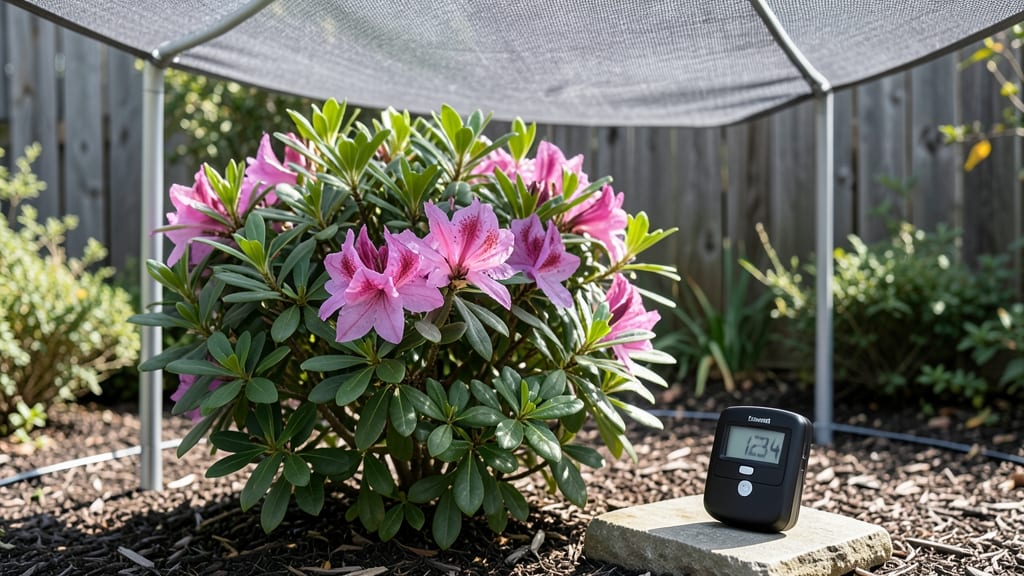
Do azaleas prefer sun or shade—turns out, they love the demonstrative mix of morning sun and afternoon shelter—where their vibrant blooms 🌸 shine brightest.
Picture this: your azaleas stand tall, their petals bursting with color, while nearby plants wilt under harsh sunlight. That’s the power of getting their light needs just right. Too much sun? Faded blooms and stressed leaves. Too little? Fewer flowers and leggy growth.
But here’s the twist: soil pH plays a huge role too. Even with ideal light, the wrong soil can leave your azaleas struggling. We’ll break down the best spots—whether in your yard or containers—and how to tweak care for your climate, so every spring brings a showstopping display.
Ready to transform your azaleas into the star of your garden? Let’s dive into the secrets of light, shade, and soil that make all the difference.
 Best Window Placement
Sun vs shade for azaleas: the ideal light balance
If you're asking "do azaleas prefer sun or shade?", the answer is partial shade—but with some important exceptions. These stunning shrubs thrive in 3-6 hours of morning sunlight paired with afternoon shade, especially in hot climates.
Without the right light balance, you might end up with fewer blooms or leggy, weak growth. Let's break down the ideal conditions for your azaleas, whether you're growing evergreen or deciduous varieties, and how to adjust for your specific climate.
Evergreen azaleas, like the popular Rhododendron species, are often found in landscapes where they receive dappled sunlight through tree canopies. Deciduous azaleas, on the other hand, can handle slightly more sun—especially in cooler regions—but still need protection from harsh afternoon rays.
The key is avoiding direct midday sun, which can scorch leaves and stress the plant. Let’s explore how to get this balance right for your garden.
🌸
| Variety Type | Ideal Sunlight | Signs of Too Much Sun | Signs of Too Little Sun | Best Placement |
|---|---|---|---|---|
| Evergreen Azaleas | Morning sun (3-4 hrs) + afternoon shade | Brown leaf edges, crispy foliage | Pale leaves, sparse blooms | North or east side of house, under tall trees |
| Deciduous Azaleas | Morning sun (4-6 hrs) + light afternoon shade | Yellowing leaves, leaf scorch | Leggy growth, few flowers | East or slightly south-facing, near shrubs |
| Container-Grown Azaleas | Bright indirect light (2-4 hrs sun) | Drooping leaves, wilting | Slow growth, small leaves | Patio with afternoon shade, near a window |
One of the most common mistakes I see is placing azaleas in full sun, especially in hot climates like Zone 8 or 9. When azaleas get too much direct sunlight, their leaves can turn yellow or brown along the edges—a clear sign of sunburn.
In cooler regions, like USDA Zone 6 or 7, they can tolerate a bit more sun, but even there, afternoon shade is crucial. If you notice leggy stems or fewer blooms, your azalea might not be getting enough light, but it’s likely not enough quality light.
For container-grown azaleas, the rules are slightly different. These plants need bright indirect light, like what you’d find near an east-facing window or under a sheer curtain. If your container azalea starts looking wilting or droopy, it might be getting too much direct sun.
Move it to a spot where it gets morning light but stays shaded in the afternoon. This is especially important if you’re growing them indoors, where light conditions can be tricky.
Adjusting for your climate zone is key. In southern states, where summers are intense, azaleas often need more shade—even from deciduous trees can help. In northern climates, where summers are milder, they can handle a bit more sun, but always protect them from hot afternoon rays.
If you're in Zone 7 or below, you might even get away with morning sun only, especially if your winters are cold.
If your azaleas aren’t blooming as expected, light exposure is often the culprit—but so is soil pH. These acid-loving plants need a pH between 4.5 and 6.0 to thrive. Without the right pH, even the perfect light balance won’t guarantee vibrant blooms.
In my next section, I’ll dive into how to test and adjust your soil’s acidity to give your azaleas the best chance to shine.
For now, take a close look at where your azaleas are planted. Are they getting the right mix of morning sun and afternoon shade? If not, a simple adjustment—like moving them to a north-facing spot or adding a light shade cloth—can make all the difference.
With the right light balance, your azaleas will reward you with lush foliage and stunning blooms year after year.
🌿
Soil pH secrets: how acidic conditions boost azalea blooms
Azaleas thrive when their soil pH mirrors their natural acidic habitat. Aim for a pH range of 4.5 to 6.0—this acidity unlocks vibrant blooms and lush foliage. Without proper acidity, your azaleas may struggle to absorb essential nutrients like iron and manganese, leading to yellowing leaves or sparse flowers.
Think of it like giving your plants the perfect vitamin shot they crave to flourish.
Testing your soil is the first step. Grab a pH testing kit from your local garden center—these are affordable and easy to use. Simply follow the instructions to collect a soil sample, mix it with distilled water, and wait for the color change.
If your reading falls outside the 4.5-6.0 range, don’t panic—adjusting it is simpler than you think. Organic amendments like pine needles, peat moss, or sulfur can gently lower pH over time, while lime raises it (though azaleas rarely need this).
🌱 Key Takeaway: Azalea pH & Light Harmony
Now, here’s where sunlight and pH team up to work magic. Azaleas need partial shade—about 3-6 hours of morning sun—but their roots also thrive in cooler, acidic soil.
If your azaleas are planted in full sun, their soil may dry out faster, making it harder to maintain the right pH. Pair their light preferences with mulch (like pine bark) to keep roots cool and soil acidic. This combo is a game-changer for bloom production.
Watch for yellowing leaves—a classic sign of pH imbalance. If the veins stay green while the rest turns yellow, your soil is likely too alkaline. To fix it, mix elemental sulfur into the top 6 inches of soil in early spring.
For poor blooms, check both pH and light: too much sun can stress the plant, while too little shade may weaken it. Balance is key!
For container-grown azaleas, use a pre-mixed acid-loving pH soil and repot every 2-3 years with fresh mix. Add a slow-release acid fertilizer in early spring to keep pH in check. Remember, azaleas are low-maintenance once established, but their acidic soil needs are non-negotiable for those show-stopping blooms.
Ready to transform your azaleas? Grab your pH tester, a bag of pine fines, and find that sweet spot between morning sun and acidic soil. Your garden will thank you with bountiful blooms year after year. Happy gardening! 🌸