
Plants
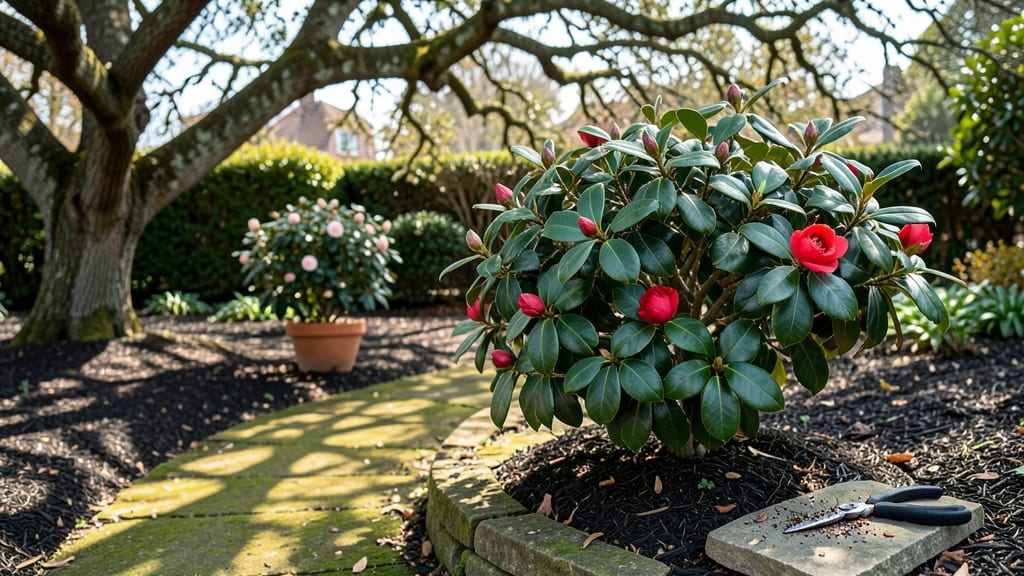
Camellias like partial shade—that’s the secret to their lush blooms and glossy leaves, and most gardeners get this wrong by either baking them in full sun or hiding them too deep in the shade.
Struggling to keep your 🌸 camellias blooming beautifully? The battle between sun and shade might be the key to unlocking their full potential—and most gardeners get it wrong.
These elegant shrubs thrive with 3 to 6 hours of morning sun, but harsh afternoon rays can scorch their delicate leaves, while too little light leads to sparse flowers. In USDA Zone 6a, where fall planting is ideal, the right balance keeps them flourishing year-round.
Below, I’ll break down the exact light conditions your camellias crave, how to spot when they’re happy (or stressed), and the best varieties for your garden’s sunlight quirks.
 Best Window Placement
Camellia light requirements: sun vs shade balance for optimal blooms
Most gardeners assume camellias thrive in full shade, but the truth is far more nuanced. These stunning shrubs actually crave a delicate balance of sunlight and shade that varies dramatically by variety and climate.
Getting it right means vibrant blooms year-round, while getting it wrong can leave you with sparse flowers and scorched leaves.
Japanese camellias, the classic bloomers, prefer morning sun and afternoon shade, while hardy Sasanqua varieties can handle more direct light. The key is understanding how to adjust their environment based on your USDA zone and seasonal shifts.
Let’s break down exactly what each camellia type needs—and how to spot when you’ve got the light wrong.
| Camellia Type | Ideal Sunlight | Regional Adjustments | Bloom Season |
|---|---|---|---|
| Japanese Camellias | 3–6 hours morning sun, afternoon shade | Zones 7–9: filter afternoon sun Zones 6 or colder: more shade needed |
Winter to early spring |
| Sasanqua Camellias | 4–6 hours direct sun, tolerates partial shade | Zones 7–10: full sun works Zones 6 or colder: partial shade preferred |
Fall to early winter |
| Hybrid Camellias | 3–5 hours dappled sun, afternoon shade | Zones 7–9: morning sun only Zones 6 or colder: full shade in summer |
Year-round (varies by type) |
💡 Pro Tip: Use a light meter or observe leaf color—dark green means perfect light!
Japanese camellias, like the iconic 'Yuletide' or 'Desire', are the divas of the group. They demand gentle morning sunlight to fuel their winter blooms but will scorch in afternoon heat.
In USDA Zone 8 or hotter, I’ve seen these beauties struggle when planted in full sun—leaves turn crispy brown by August. The fix? Plant them where they get sun before noon and shade after.
Sasanqua camellias, such as 'Cape Honeysuckle' or 'Kiri Shibori', are far more adaptable. These fall-bloomers can handle 4–6 hours of direct sun, making them ideal for southern gardens or coastal areas.
In Zone 7 or cooler, however, they still prefer partial shade to avoid winter damage. Think of them as the tougher cousins of Japanese camellias.
Hybrid camellias, like 'Spring’s Promise' or 'Donation', blend the best of both worlds but still need careful light management. They thrive with 3–5 hours of dappled sunlight, which you can create using a sheer curtain or overhead trees.
In European climates, where summers are milder, hybrids often tolerate more sun than their US counterparts—just monitor for leaf burn.
Seasonal adjustments are critical. In summer months, even shade-loving camellias need protection from intense midday rays. I’ve seen yellowing leaves on once-healthy plants after a heatwave—this is your plant’s SOS signal. Prune nearby trees or install light fabric to diffuse harsh sunlight.
Conversely, in winter, camellias often benefit from a few extra hours of sun to boost next year’s blooms.
Regional variations matter too. In humid Southern states, like Georgia or Louisiana, camellias often need more shade to prevent fungal issues. Meanwhile, in drier Western climates, like California, they can handle more sun if given extra water.
Always observe your plant’s foliage color: bright green means happy, pale green means too much shade, and brown edges mean too much sun.
One common mistake? Assuming all camellias love shade. While they do prefer it over full sun, too little light leads to sparse blooms and leggy growth. If your camellia isn’t flowering, it might need a few more hours of morning sun.
Start with 1–2 extra hours and monitor for stress signs like drooping leaves.
For container-grown camellias, light needs shift even more. A patio camellia in a north-facing container might need supplemental grow lights in winter, while one in a south-facing spot should be moved to partial shade by midday. Rotate your containers quarterly to ensure even growth.
Remember, camellias are not one-size-fits-all plants. The Japanese types are the most finicky, while Sasanquas are the most forgiving. By tailoring their light exposure to their specific needs—and your local climate—you’ll unlock lush foliage and spectacular blooms that last for months. 🌸
Signs your camellias aren't getting the right light (and how to fix it)
Your camellias might be whispering for help through their leaves. Yellowing foliage, sparse blooms, or crispy leaf edges are classic cries for better light balance. Most gardeners assume camellias thrive in full shade, but too little light weakens their structure, while harsh afternoon sun burns their delicate leaves.
Let's decode these visual clues and restore your camellias' glory.
Start by checking the location of leaf damage. If the top leaves are scorched from direct sun exposure, your plant needs more afternoon shade. Conversely, if the lower leaves yellow first, it's begging for more filtered light.
Even bloom quality suffers—small, sparse flowers often signal light deprivation. The key is finding that sweet spot of 3-6 hours of morning sun with afternoon protection.
🌱 Camellias Prefer Partial Shade
3-6 hours
4+ hours
Healthy blooms & lush foliage
💡 Pro Tip: Gradually adjust light exposure over 2-3 weeks to avoid shocking the plant.
If your camellias show leaf scorch or bleached patches, they're getting too much direct sun. Move them to a spot with dappled shade or install a lightweight shade cloth (30-50% coverage) for afternoon protection.
For yellow leaves with green veins, it's often iron deficiency from poor light absorption—boost with chelated iron and improve light conditions.
Pruning can help too. Thin out dense branches to improve air circulation and light penetration to the inner foliage. Focus on removing crossing branches and water sprouts that compete for sunlight.
Time your pruning right: late winter or early spring encourages new growth before the blooming season. Avoid heavy pruning after flowering, as it can reduce next year's blooms.
For container-grown camellias, light needs are even more critical. Rotate pots quarter-turns weekly to ensure even light exposure. If indoors, place near a north-facing window or under grow lights for 12-14 hours daily.
Watch for leggy growth—a sign of insufficient light—by supplementing with a balanced fertilizer (10-10-10) to encourage compact growth.
Remember, regional climate matters. Southern gardeners should prioritize afternoon shade, while northern growers can tolerate more sun. Test your location by observing how long direct sunlight hits your camellias. If the shadow is shorter than the plant's height by midday, it's time to provide shade.
With these adjustments, your camellias will reward you with vibrant blooms and glossy foliage all season long. 🌸