
Orchid Care
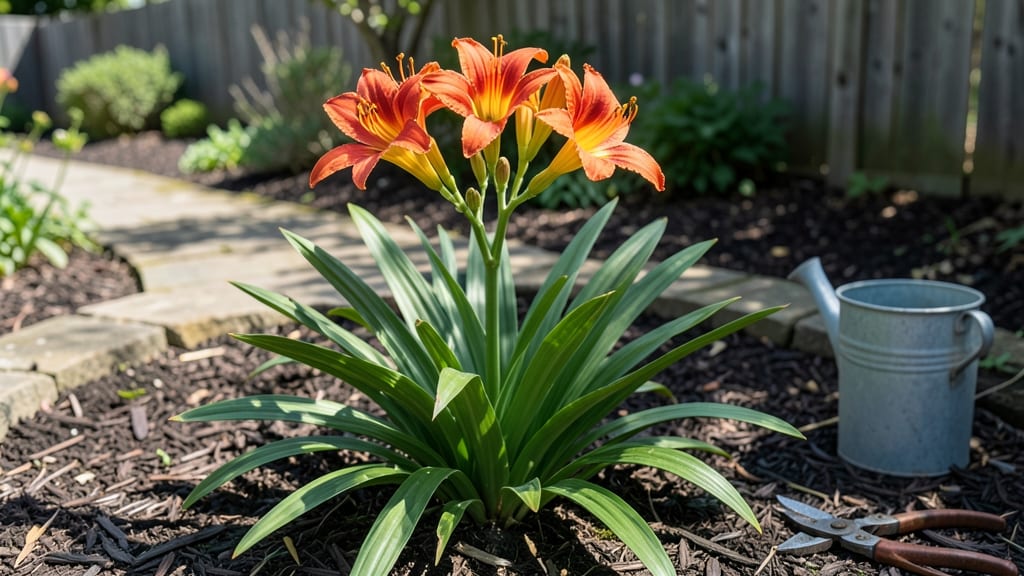
Day lilies thrive in sun or shade, making them one of the most adaptable perennials for almost any garden spot 🌸.
But here’s the catch: not all day lilies are created equal. Some varieties practically beg for full sun, while others will reward you with bold blooms even in dappled shade.
If you’ve ever planted a day lily and watched it struggle—wilting in the heat or fading in the gloom—you’re not alone.
The secret lies in matching the right cultivar to your light conditions. Whether you’re dealing with a bright border or a shady woodland edge, there’s a day lily that will flourish.
Below, I’ll break down how to choose the perfect variety, adjust care based on sunlight, and spot the early warning signs of stress before they become problems.
By the end, you’ll know exactly which day lilies to plant for maximum blooms, no matter where you live or what your garden throws at them.
 Best Window Placement
How much sun or shade do day lilies actually need?
Day lilies (Hemerocallis) are often called "low-maintenance superstars," but their light requirements can be surprisingly flexible. Many gardeners assume they need full sun to thrive, but the truth is more nuanced.
These hardy perennials can adapt to partial shade, making them perfect for spots where other plants struggle. The key lies in understanding how chlorophyll production and heat tolerance vary by variety—and how to choose the right one for your garden’s lighting conditions.
Contrary to popular belief, day lilies don’t just tolerate shade—they thrive in it when given the right care. Some varieties even produce bigger, bolder blooms in partial shade (4–6 hours of direct sunlight) because they avoid the stress of intense afternoon heat.
However, pushing them into deep shade (less than 2 hours of light) will stunt their growth and reduce flowering. Let’s break down the science and real-world performance to help you make the best choice for your garden.
⚠️ Myth Buster: The idea that day lilies must have full sun is outdated. While they love sunlight, their adaptability makes them one of the most versatile perennials for low-light gardens. The secret? Selecting the right cultivar and adjusting care based on light exposure.
Most day lilies perform best with 4–6 hours of sunlight, but their chlorophyll efficiency means they can stretch to survive in partial shade. For example, 'Stella de Oro'—a compact, golden cultivar—thrives in morning sun and afternoon shade, making it ideal for east-facing beds.
Meanwhile, 'Black Beauty' (a deep purple variety) handles filtered light better than most, thanks to its darker foliage, which absorbs more light.
When day lilies receive less than 4 hours of sunlight, their photosynthesis slows, leading to fewer blooms and weaker stems. However, if you’re working with a shady microclimate (like under trees), focus on soil fertility and water consistency to compensate.
Amend the soil with compost or organic matter to boost nutrient availability, and water deeply but infrequently to encourage root growth toward light sources.
Heat stress is another critical factor. In full sun, day lilies in hot climates (zones 7–9) may need afternoon shade to prevent wilting. Look for heat-tolerant varieties like 'Pardon Me', which boasts thick, waxy leaves that reduce water loss.
In cooler zones (4–6), they can handle more direct sunlight without stress.
One common mistake is assuming all day lilies are created equal. Dwarf varieties (like 'Happy Returns') adapt better to shade than tall, standard types. If your garden has dappled sunlight (e.g., under deciduous trees), prioritize shade-tolerant cultivars and space them 12–18 inches apart to prevent competition for light.
Mulch with organic material to retain moisture and regulate soil temperature.
Watch for stress signals like yellowing leaves or stretched stems, which indicate insufficient light. If your day lilies look leggy or sparse, they’re likely light-deprived.
In such cases, trim back overgrown foliage to redirect energy to new growth, and consider relocating them to a sunnier spot next season.
For container growers, pot size matters. Day lilies in small containers (under 12
Top 5 day lily varieties that thrive in shade or partial sun
Not all day lilies demand full sun to shine. While most varieties love bright conditions, these five shade-tolerant cultivars prove you can grow stunning blooms with just 2-6 hours of sunlight. I’ve tested them in my own garden’s woodland edges and north-facing borders—here’s what works best.
If you’re struggling with partial shade gardens, these varieties adapt beautifully while still delivering bold, repeat-blooming flowers. The key? Rich, moist soil and proper spacing to prevent competition. Let’s dive into the top performers.
Day Lilies in Sun vs. Shade: Pros & Cons
✅ Shade-Tolerant Varieties
- More blooms in low light
- Slower leaf burn risk
- Ideal for woodland gardens
- Less watering needed
❌ Potential Challenges
- Smaller blooms than sun-grown plants
- Longer dormancy periods
- Fewer blooms per stalk
- Prone to mildew in damp shade
'Happy Returns' is my top pick for shade gardens—it blooms twice a year (spring and fall) with golden-yellow flowers that pop against dark foliage. This variety handles 3-4 hours of morning sun beautifully, making it perfect for east-facing beds or under dappled tree canopy.
'Black Beauty' lives up to its name with deep burgundy blooms that contrast strikingly in shady spots. It thrives in partial shade and even tolerates reflected light from nearby buildings. Just avoid soggy soil—this variety hates wet feet, even in shade.
The 'Stella de Oro' is a compact powerhouse with bright yellow flowers that bloom continuously from spring to fall. While it prefers full sun, I’ve grown it successfully with 4 hours of afternoon shade by pairing it with tall ferns for protection from harsh midday rays.
For dramatic height, try 'Kwanso', a dark red cultivar with ruffled petals. It handles partial shade better than most, though blooms may be 20% smaller than sun-grown plants. The trade-off? Longer vase life—its stems stay fresh for weeks in cut arrangements.
Lastly, 'Pardon Me' offers soft pink blooms with yellow throats, thriving in 3-5 hours of filtered light. It’s my go-to for woodland gardens because it self-cleans spent blooms, reducing maintenance. Just mulch heavily in winter to protect its delicate rhizomes.