
Orchid Care
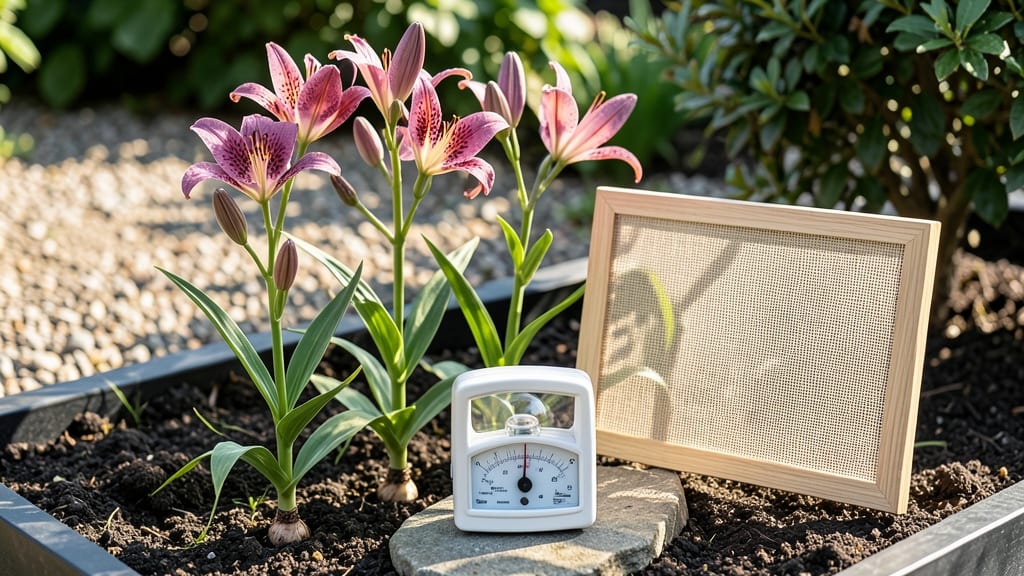
Lilies need a balance of sun and shade 🌸 to thrive, but most gardeners get it wrong—leaving their plants struggling with weak blooms or yellowing leaves.
Picture this: You’ve planted your lilies in full sun, only to watch them wilt by afternoon, or tucked them in the shade, where they refuse to bloom. The truth is, lilies crave morning sun and afternoon shade, especially in hot climates like USDA Zone 6a.
Without the right light, even the hardiest varieties like Asiatic or Oriental lilies will underperform.
In this guide, I’ll break down exactly how much light lilies need—whether they’re planted in a garden bed or a container—and how to spot the signs when they’re getting too much (or too little) sun. You’ll also learn how to adjust their light exposure for peak blooms every season.
By the end, you’ll know the ideal sunlight setup for your lilies, no guesswork required. Let’s get those flowers flourishing!
 Best Window Placement
Ideal sunlight requirements for lilies: how much light do they really need?
If you're wondering do lilies need sun or shade, the answer depends on the variety—because not all lilies are created equal! Most lilies thrive in full sun, but some varieties handle partial shade better, especially in hot climates.
Understanding these differences is key to unlocking those showstopping blooms you’ve been dreaming of. Let’s break it down by type so you can give your lilies the perfect light recipe for success.
Lilies are sun-lovers at heart, but their tolerance for shade varies widely. Asiatic lilies and Oriental lilies are the sun-seekers, while Trumpet lilies and Martagon lilies can handle a little more shade—especially in sweltering afternoons. The trick is balancing sunlight with your local climate.
Too much shade, and you’ll get lanky stems and sparse blooms. Too much sun, and those delicate petals can scorch. Let’s dive into the specifics so you can avoid these pitfalls.
| Lily Type | Sunlight Needs | Best Location | Notes |
|---|---|---|---|
| Asiatic Lilies | Full sun (6+ hours) | South or west-facing beds | Early bloomers; heat-tolerant |
| Oriental Lilies | Full sun to partial shade | Morning sun, afternoon shade | Fragrant; needs afternoon relief |
| Trumpet Lilies | Partial shade (4-6 hours) | Dappled shade or east-facing | Tolerates heat better than full sun |
| Martagon Lilies | Partial shade (3-5 hours) | Woodland gardens or under trees | Drought-tolerant; shade-loving |
| Daylilies (Hemerocallis) | Full sun to partial shade | Flexible; adapts well | Not true lilies but often grouped together |
Asiatic lilies are the champions of full sun, demanding at least 6 hours of direct sunlight daily. Plant them in a south-facing bed where they’ll bask in morning light and enjoy afternoon warmth without scorching. These lilies bloom early in the season, so give them priority in sunny spots. If your garden gets intense afternoon heat, consider a light shade cloth to protect their petals from fading or burning.
For Oriental lilies, think of them as the divas of the lily world—they love sun but need afternoon shade, especially in hot climates. A location with morning sun and afternoon shade (like near a tall shrub or fence) keeps their blooms vibrant and prevents wilting.
These lilies reward you with intoxicating fragrance, so they’re worth the extra care! If you’re in a Zone 8 or higher, afternoon shade is non-negotiable.
Trumpet lilies are the adaptable middle-grounders, thriving in partial shade with 4-6 hours of sunlight. They’re perfect for gardens with dappled shade or east-facing beds where they get gentle morning light. These lilies are also more drought-tolerant, making them ideal for low-maintenance gardens. If you notice their leaves yellowing, it’s a sign they’re craving more shade—especially in the peak afternoon heat.
If you’re growing Martagon lilies (also called Turk’s cap lilies), you’ll want to mimic their natural woodland habitat. These beauties prefer 3-5 hours of sunlight and do best under filtering shade, like the canopy of a deciduous tree.
They’re ideal for shady garden corners where other lilies would struggle. Their unique, nodding blooms add a whimsical touch to any garden, and they’re surprisingly resilient once established.
Now, here’s a pro tip: Observe your lilies’ leaves to fine-tune their light conditions. If the leaves are a pale, washed-out green, they’re begging for more sun. If they’re dark green with yellow edges, they might be getting too much shade.
And if the leaves are crispy or brown at the tips? That’s a clear sign of too much direct sun, especially in hot, dry climates. Adjust their position gradually—lilies hate sudden changes in light.
For container-grown lilies, place them where they’ll get at least 5-6 hours of sunlight, even if it means moving pots throughout the day. A south-facing balcony or a spot near a sunny window works wonders.
Just remember: containers dry out faster, so ensure they have well-draining soil and consistent watering. If your balcony gets intense afternoon sun, a sheer curtain or umbrella can save the day.
One common mistake I see is assuming all lilies need full sun. While it’s true that most varieties prefer sun, the key is understanding their individual preferences. For example, Oriental lilies
Signs your lilies aren’t getting the right light: common mistakes and fixes
If your lilies are struggling to bloom or their leaves look sad, light exposure might be the culprit. Most lily varieties thrive with 6-8 hours of sunlight daily, but too much or too little can send your plants into distress.
Watch for these warning signs that your lilies aren’t getting the right light.
Yellowing leaves, especially on the lower stems, often signal overwatering or too much shade. Meanwhile, brown leaf tips or crispy edges can mean excessive sun exposure or dry soil. These subtle clues help you diagnose whether your lilies need more sun or a little shade relief.
🌸
⚠️ Light Mistakes to Avoid
True lilies (like Asiatic or Oriental varieties) need full sun, while daylilies tolerate partial shade. Placing them in deep shade stunts growth, while intense afternoon sun can scorch leaves. Mulch properly to regulate soil temperature and prevent stress.
Weak, floppy stems or small blooms are classic signs of under-sun exposure. If your lilies are stretching toward the light or producing fewer flowers than usual, they’re likely craving more sunlight. Move them to a sunnier spot gradually—sudden changes can shock the plant.
For sunburned leaves, provide afternoon shade using lightweight fabric or plant taller neighbors like sunflowers to block harsh rays. If your lilies are in containers, rotate them weekly to ensure even light exposure on all sides.
💧
To fix light-related issues, start by testing your garden’s sunlight. Use a sunlight tracker or observe the area for a week. If your lilies are in partial shade, consider relocating them to a south-facing bed for 6+ hours of morning sun.
For over-sun spots, add dappled shade with nearby trees or lattice screens.
With the right light adjustments, your lilies will reward you with vibrant blooms and lush foliage. Pay attention to their growth patterns, and don’t hesitate to experiment—your garden’s unique conditions might require a custom solution!
☀️