
Companion Plants
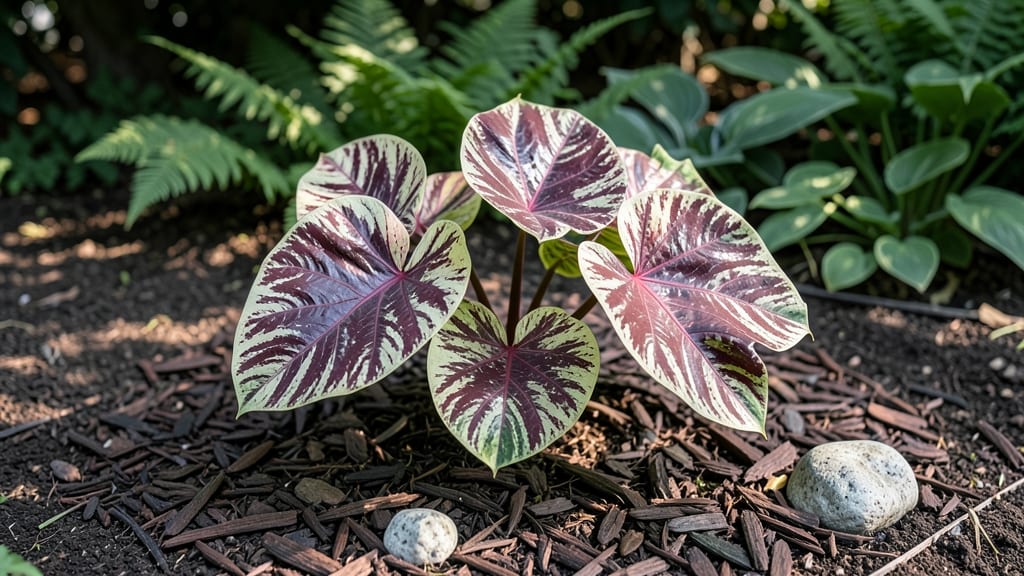
Florida’s colorful shade plants can still burst with color—without direct sun. ✨ The key is choosing plants that love humidity and dappled light, like coleus with its neon leaves or caladiums that bloom like tropical jewels. These thrive where ferns and impatiens would fade, turning shady corners into vibrant escapes.
Native options like shrimp plant (justicia brandegeeana) add deep purple blooms, while frogfruit (phyla nodiflora) stays green all year with delicate white flowers. The secret? Well-draining soil and morning sun to prevent fungal issues—Florida’s heat and humidity demand it.
You’ll end up with layers of texture: glossy elephant ears towering over trailing sweet potato vine, all under a canopy of Spanish moss. The foliage stays bold from spring through fall, with some varieties even blooming in winter’s mild spells.
Perfect for borders, containers, or under trees—these plants prove shade doesn’t mean boring. Let’s pick your palette!
📚 In This Guide
- What you need
- Instructions
- Tips and common mistakes
- Wrapping up and next steps
What you need
- ● Shade-tolerant plants: 3–5 varieties (e.g., Caladium, Impatiens, Coleus, Ferns, or Hosta). Choose Florida-friendly options!
- ● Well-draining potting mix: 10–20 gallons (look for organic blends with perlite or peat moss).
- ● Containers or garden beds: Containers: 1–3 gallon pots per plant (ensure drainage holes).
- ● Garden beds: Amended soil with 2–3 inches of mulch (e.g., pine straw or shredded bark).
- ● Slow-release fertilizer: 1–2 lbs (balanced 10-10-10 or organic options like composted manure).
- ● Watering can or hose with gentle spray nozzle: For even moisture without disturbing soil.
- ● Gloves & hand trowel: For safe planting and soil prep.
- ● Pruning shears: For trimming dead leaves or shaping plants.
- ● Shade cloth: 30–50% coverage if your area gets partial sun.
- ● Mulch: 1–2 bags of pine bark or cypress mulch (retains moisture and suppresses weeds).
- ● Plant markers: Labels for tracking varieties (especially useful for Caladium or Coleus hybrids!).
- ● Liquid fertilizer: Diluted seaweed or fish emulsion (for a mid-season boost).
- ● Decorative stones or pebbles: For a polished, low-maintenance look in containers.
Step-by-Step guide to selecting and planting colorful shade plants in Florida
Here's how to transform shady spots into vibrant, low-maintenance foliage displays that thrive in Florida's humid climate.
🌿 Step 1: Identify Your Shade Conditions
Florida's shade ranges from deep shade (under trees with 2-4 hours of dappled light) to partial shade (morning sun, afternoon shade). Observe your spot for 2 weeksCaladium and Ferns need less than 2 hours of light daily, while Impatiens and Coleus tolerate 4-6 hours of filtered sun.
I always test with a light meter app (free options exist) to measure foot-candles. 100-500 foot-candles is ideal for most shade plants—anything below 100 means you'll need hostas or heucheras. Florida's humidity means shade plants won't dry out quickly, but poor light still stunts growth. You'll see weak stems and sparse leaves if the spot's too dark.
🪴 Step 2: Choose Florida-Native and Adapted Varieties
Skip the big-box store plants labeled "shade-tolerant"—they often fail in Florida's heat. Instead, focus on native perennials and heat-adapted tropicals. My top picks: Caladium 'White Queen' (white foliage), Coleus 'Black Dragon' (deep purple), Ferns 'Boston Sword' (arching fronds), and Heuchera 'Palace Purple' (ruffled leaves). All handle Florida's humidity without mildew if given proper airflow.
Check the University of Florida IFAS Extension database for region-specific recommendations. I always buy 1-gallon plants (not tiny 4-inch pots) because they establish faster in Florida's heat. Look for plants with thick, waxy leaves—these handle humidity better than thin-leaved varieties. Avoid anything with yellowing leaves at the nursery; that's a sign of disease pressure.
☀️ Step 3: Prepare the Planting Site
Amend your soil with 2-3 inches of organic compost mixed into the top 6 inches of soil. Florida's native soil is often sandy or clay-heavy, and shade plants need moisture retention. I use a mix of peat moss and compost (50/50 ratio) for best results. Test your soil's pH—most shade plants prefer 5.5-6.5. If your soil tests higher, add sulfur according to package rates.
Dig holes twice as wide as the root ball but only as deep. The top of the root ball should sit 1 inch above ground level—this prevents rot in Florida's wet seasons. Water each hole thoroughly before planting to settle the soil. I always add a slow-release fertilizer (like Osmocote) to the bottom of each hole for the first feeding. This prevents nutrient burn from quick-release fertilizers in our heat.
💧 Step 4: Plant and Establish for Florida Conditions
Remove the plant from its container and loosen the roots if they're circling. Place it in the hole and backfill with native soil mixed with compost. Press gently around the base to eliminate air pockets, but don't compact the soil. Water deeply to settle everything—you'll see the soil surface sink slightly as it compacts naturally. Mulch with 2-3 inches of pine straw or shredded bark to retain moisture and suppress weeds.
Here's the Florida-specific trick: water every 2-3 days for the first 2 weeks, then taper to weekly deep waterings. Florida's heat dries out new plantings faster than cooler climates. You'll know your plants are established when new growth appears within 3-4 weeks. If leaves yellow or wilt, it's often overwatering—Florida's humidity means roots need oxygen too. Let the top 1 inch of soil dry between waterings after establishment.
✂️ Step 5: Maintain for Year-Round Color
Deadhead spent blooms on annuals like Impatiens to encourage more flowers, but leave the foliage—it's the star. For perennials, cut back 1/3 of the plant in early spring to stimulate fresh growth. I always prune in morning hours when humidity is lower to reduce disease risk. Use clean, sharp shears and disinfect them with rubbing alcohol between cuts.
Fertilize twice a year: once in early spring (when new growth starts) and again in mid-summer (after the first heat wave). Use a balanced 10-10-10 fertilizer at half strength. Florida's heat means plants uptake nutrients faster—over-fertilizing burns roots. Watch for yellow leaves with green veins (iron deficiency) or purple stems (phosphorus deficiency) and adjust accordingly. Most shade plants in Florida need minimal care once established—just watch for pests like spider mites in dry spells.
Tips & tricks for perfect Florida shade plant displays
Transforming Florida's shady spots into vibrant gardens takes more than just planting—it's about understanding the nuances of our unique climate. Here's what I've learned after years of trial and error with these stunning shade plants.
Light Measurement Matters: In Step 1, when you're testing your shade conditions, don't rely on guesswork. Use a free light meter app to measure foot-candles—aim for 100-500 foot-candles for most shade plants. I've seen homeowners plant Coleus in spots with only 50 foot-candles and wonder why it struggled. The difference between 2-4 hours of dappled light and 4-6 hours of filtered sun can mean the difference between thriving foliage and weak, leggy plants. For deep shade areas under dense canopies, consider hostas or heucheras—they'll tolerate those lower light conditions better than tropical varieties.
Root Ball Preparation: When you're ready to plant in Step 4, take an extra minute to loosen any circling roots around the 1-gallon plants you've selected. I've seen too many gardeners skip this step, only to have their plants struggle to establish properly. The goal is to encourage outward root growth, not keep them constrained in a tight ball. After planting, press the soil gently around the base—this eliminates air pockets without compacting too much. The 1 inch above-ground level placement is crucial too; it prevents rot during Florida's frequent rainy seasons while still keeping the plant stable.
Soil Amendments for Florida: Step 3's soil preparation is where many gardeners go wrong. While the instructions call for 2-3 inches of organic compost mixed into the top 6 inches, I recommend adding 1/4 cup of perlite to that mix for better drainage. Florida's humidity means our soils can become waterlogged quickly, and shade plants are particularly susceptible to root rot. The peat moss and compost (50/50 ratio) is perfect, but don't skip the sulfur if your soil tests above 6.5 pH—most Florida native soils are naturally acidic, but shade plants still prefer that 5.5-6.5 range for optimal nutrient uptake.
Pro Tips for Colorful Shade Plants Florida
- Transforming Florida's shady spots into vibrant gardens takes more than just planting—it's about understanding the nuances of our unique climate.
- Light Measurement Matters: In Step 1, when you're testing your shade conditions, don't rely on guesswork.
- Root Ball Preparation: When you're ready to plant in Step 4, take an extra minute to loosen any circling roots around the 1-gallon plants you've selected.
Frequently asked questions
Got questions about bringing vibrant shade plants into your Florida garden? Here are some of the most common concerns—and their answers—to help you create a lush, colorful retreat without the stress.
Which shade plants tolerate Florida’s humidity and occasional drought?
Look for native or tropical-adapted varieties like Caladium (elephant ears), Impatiens (for bright bursts), or Ferns (e.g., maidenhair or Boston). These thrive in moisture but also handle brief dry spells once established. Pro tip: Mulch with pine straw or shredded bark to retain soil moisture and regulate temps!
How long does it take for shade plants to show bold colors?
Most colorful foliage plants—like Coleus or Alocasia—reveal their full vibrancy 4–8 weeks after planting, given consistent shade (6+ hours of filtered light). Caladiums may take 6–10 weeks to bloom with their signature patterns. Patience pays off—think of it as nature’s slow-motion masterpiece!
Can I use artificial shade (like shade cloth) instead of natural shade?
A 30–50% shade cloth mimics dappled sunlight and works well for sun-sensitive plants (e.g., Impatiens or Begonias). Just ensure proper airflow to prevent fungal issues. Watch out: Avoid 100% blockage—some plants (like Ferns) need some indirect light to thrive.
What pests should I watch for in Florida’s shade gardens?
Keep an eye out for slugs, spider mites (especially in dry shade), and scale insects on broad-leaved plants. Preventative tip: Neem oil or insecticidal soap sprays work gently but effectively. For slugs, set out beer traps or copper barriers—your plants (and snails) will thank you!
Can I mix shade plants with sun-loving ones in the same bed?
Not recommended! Shade plants (e.g., Hosta, Heuchera) need consistent low light, while sun-lovers (e.g., Lantana, Salvia) thrive in full sun. Instead, create layers: Plant taller sun-lovers at the back, medium-height shade plants in the middle, and trailing shade plants (like Sweet Potato Vine) at the front. This keeps everyone happy—and your design cohesive!
Wrapping up and next steps
Transforming your Florida shade garden into a vibrant, low-maintenance paradise is easier than you think! From the deep burgundy of Coleus to the silvery-blue hues of Heuchera, these colorful shade plants bring life and charm to even the trickiest spots.
With the right selection and care, you’ll enjoy a lush, year-round display that’s as resilient as it is beautiful.
Ready to elevate your outdoor space? Start small—pick one or two plants to test in your shade garden, then expand as you see what thrives. Happy gardening! 🌿✨