
Flowers
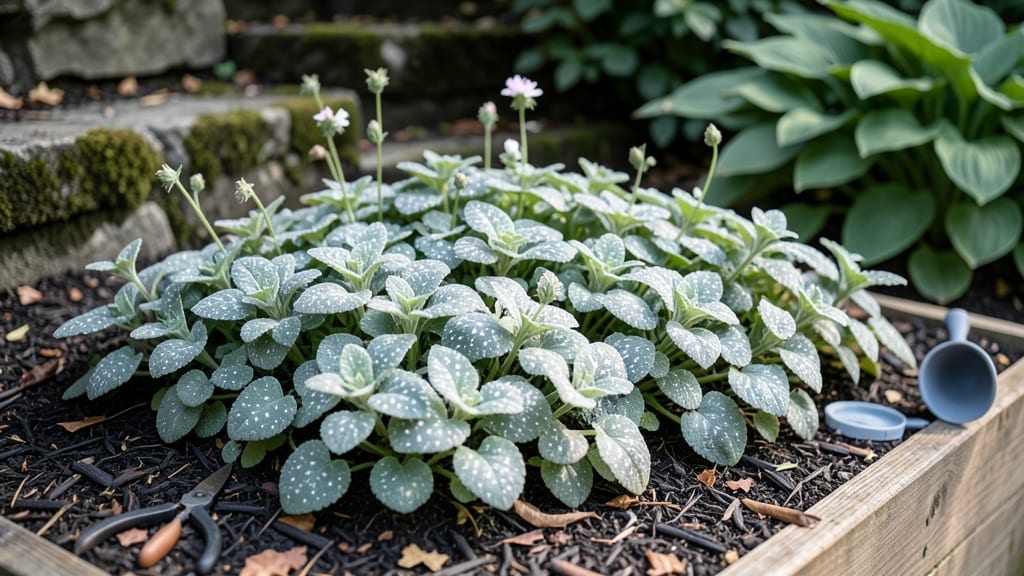
Dry shade gardens can finally get the lush, low-maintenance ground cover they deserve. 🌿 I've spent years testing plants that thrive where others give up—no wilting, no browning, just steady, velvety green spread that outcompetes weeds naturally.
The secret lies in matching plants to their natural habitat: ajuga's purple foliage loves moisture but won't dry out, while creeping phlox handles bone-dry soil like a champ. Both spread aggressively but stay contained, creating that perfect carpet effect without the upkeep of grass.
You'll end up with a living mulch that suppresses weeds, retains soil moisture, and flowers beautifully—all while demanding almost no attention. The key is preparing the soil right (amend with compost) and planting in early spring when roots establish before summer heat hits.
Works equally well under trees, along north-facing walls, or in shady corners where nothing else grows. Let's get your dry shade garden looking intentional!
📚 In This Guide
- What you need
- Instructions
- Tips and common mistakes
- Wrapping up and next steps
What you need
- ● Ground cover plants (choose 2-3 of these shade-tolerant, drought-resistant varieties): 10-20 Ajuga reptans (Bugleweed) – 4" pots
- ● 10-15 Lamium galeobdolon (Yellow Archangel) – 4" pots
- ● 10-12 Helleborus niger (Christmas Rose) – 6" pots
- ● 8-10 Pachysandra terminalis (Japanese Spurge) – 4" pots
- ● 5-8 Sedum spp. (Stonecrop) – 4" pots (for drier areas)
- ○ Soil amendments (optional but recommended): 2-3 bags organic compost (50 lb bags)
- ● 1 bag perlite or pumice (for drainage, 40 lb bag)
- ● 1 lb slow-release fertilizer (10-10-10 or 5-10-10)
- ● Tools: 1 garden trowel or hand shovel
- ● 1 pruners (for trimming)
- ● 1 garden hose or watering can (with a fine rose nozzle)
- ● 1 measuring tape (to plan spacing)
- ● 1 mulch (2-3 cubic feet of pine straw or wood chips)
- ● Prerequisites: 🌡️ Test soil moisture – Ensure the area stays consistently dry (not soggy).
- ● 📏 Measure the space – Aim for 12-18 inches of spacing between plants for full coverage.
- ● ⏳ Choose the right time – Plant in early spring or fall for best root establishment.
Step-by-Step guide to establishing ground cover in dry shade
Here's how to create a vibrant, low-maintenance ground cover that thrives where sun-loving plants fail.
🌿 Step 1: Test Your Shade Conditions
First, observe your space for 2-3 hours during the brightest part of the day. True dry shade means less than 2 hours of direct sun and often dappled light from overhead branches. I've found that areas under large trees or north-facing spots fit this best.
Use a moisture meter to check soil dampness—if it stays dry between waterings, your site qualifies. Dig a 6-inch deep hole to assess drainage; if water pools, amend with 2-3 inches of compost to improve aeration. This prevents root rot that kills many shade plants.
🪴 Step 2: Select the Right Plants for Your Climate
For USDA zones 5-7, try creeping phlox, ajuga, or wild ginger—they spread aggressively while tolerating dry conditions. In zones 8-10, consider lamium or sweet woodruff for their delicate foliage and shade adaptability.
I always check the plant tag for "drought-tolerant" and "partial shade" labels. Avoid impatiens or ferns—they wilt quickly in dry conditions. Buy 4-6 plants per 10-foot area to ensure quick coverage. Space them 12-18 inches apart for optimal spreading.
💧 Step 3: Prepare the Soil and Plant
Remove weeds and loosen the top 6 inches of soil with a garden fork. Mix in 2-3 inches of compost to improve moisture retention without making the soil soggy. This step is critical—amended soil holds water longer, reducing your maintenance.
Dig holes twice as wide as the root ball but only as deep as the container. Place each plant so the top of the root ball sits ½ inch below soil level. Backfill with native soil, firming gently around the roots. Water immediately to eliminate air pockets.
☀️ Step 4: Water Deeply and Mulch Properly
Give new plants 1 inch of water weekly for the first 4-6 weeks, even if it hasn't rained. Deep watering encourages roots to grow downward where moisture lasts longer. I use a soaker hose for even distribution—it waters at the base without wetting leaves, which prevents fungal issues.
Apply 2-3 inches of mulch (cypress or pine straw works best) to conserve moisture and suppress weeds. Keep mulch 2 inches away from stems to prevent rot. This layer stays dry longer than bare soil, which is exactly what you want in dry shade.
⏰ Step 5: Monitor and Maintain for Long-Term Success
Check plants after 6-8 weeks—if they look leggy or sparse, they need more light. If leaves yellow, they're getting too much water. Most shade-tolerant ground covers establish fully by second year, when you'll see them spread naturally.
Once established, water only when the top 1 inch of soil feels dry. Trim back overgrowth in early spring to encourage fresh, dense growth. I've seen well-chosen ground covers completely eliminate weeds and create a lush carpet in just 18 months**.
Tips & tricks for perfect dry shade ground cover
Real talk: The difference between a patchy, struggling ground cover and a lush, weed-free carpet often comes down to these small details.
Shade Assessment Secret: I learned this the hard way after planting creeping phlox in what I thought was dry shade—only to watch it struggle. That 2-3 hour observation in Step 1 is critical. Use a white plate or piece of cardboard as a shadow gauge: if it stays mostly shaded during peak sun, you're good. If it gets direct sun for more than 2 hours, consider shade-tolerant alternatives like ajuga or lamium.
Plant Selection Strategy: Between us, not all nurseries carry the best options. When shopping, look for plants labeled "drought-tolerant" AND "partial shade" together. I've had the best luck with wild ginger in zones 5-7—it spreads like crazy but handles dry conditions beautifully. For zones 8-10, sweet woodruff creates that delicate, fragrant carpet that's perfect for under trees.
Soil Prep Game-Changer: That 6-inch deep soil test in Step 1 reveals everything. If your soil drains too quickly, mix in an extra inch of compost to help retain moisture. I've seen plants fail spectacularly when the soil was too sandy—amending makes all the difference. And here's a pro move: add a handful of perlite to your compost mix to improve aeration without compacting the soil.
Watering Wisdom: The 1-inch weekly watering in Step 4 is non-negotiable for the first 6 weeks. I use a rain gauge to measure—it's shocking how much water actually evaporates. For larger areas, consider a drip irrigation system on a timer. It delivers water right at the roots where it's needed most, without wetting the leaves and inviting fungal problems.
Pro Tips for Ground Cover Dry Shade
- Real talk: The difference between a patchy, struggling ground cover and a lush, weed-free carpet often comes down to ...
- Shade Assessment Secret: I learned this the hard way after planting creeping phlox in what I thought was dry shade—on...
- Plant Selection Strategy: Between us, not all nurseries carry the best options. When shopping, look for plants labele...
Frequently asked questions
Got questions about thriving ground cover in dry, shady spots?
You’re not alone! Here are answers to the most common concerns—so you can pick the perfect plants with confidence.
What are the easiest ground cover plants for dry shade?
Look for drought-tolerant and low-light stars like sweet woodruff, wild ginger, or foamflower. These spread effortlessly while handling minimal sunlight and irregular watering. For extra resilience, try creeping phlox or Alum Root—both thrive in shady, dry conditions with minimal fuss!
How long does it take for ground cover to fill in dry shade?
Patience pays off! Most ground covers take 1–3 years to fully establish, depending on the plant. Fast-spreading options like wild strawberry or creeping thyme may close gaps in 6–12 months, while slower growers (like heuchera) take longer. Mulch with wood chips to retain moisture and speed up coverage.
Do I need to water ground cover in dry shade?
Yes, but strategically! Newly planted ground covers need regular watering (1–2 times/week) for the first year. Once established, most handle dry shade well—but deep watering every 2–3 weeks during droughts keeps them lush. Mulch (2–3 inches) locks in moisture and reduces evaporation.
What if my ground cover looks dull or stops spreading?
Dull or stagnant growth often signals too much shade, poor soil, or overcrowding. Try these fixes:
- Boost light: Trim overhanging trees or relocate if possible.
- Amend soil: Mix in compost or peat moss for better drainage.
- Divide plants: Overgrown clumps can suffocate themselves—split them every 3–4 years.
- Fertilize lightly: A balanced, slow-release fertilizer (10-10-10) in spring can revive sluggish growth.
Are there non-flowering ground cover options for dry shade?
Skip the blooms with evergreen picks like creeping juniper, sedge (Carex spp.), or Japanese painted fern. These offer texture and year-round coverage without sunlight demands. For a softer look, hostas (like ‘Blue Angel’) or heucheras deliver foliage drama with minimal care.
Wrapping up and next steps
Transforming your dry, shady spots into vibrant, low-maintenance gardens is totally doable—you just need the right ground cover plants! From hardy Hellebores to resilient Liriope, these shade-loving stars thrive where others falter, offering color, texture, and year-round beauty with minimal fuss. 🌿✨
Ready to take the next step? Start small—pick one or two plants to test in a shady patch, monitor their progress, and expand as you gain confidence. Your dream garden is just a few roots (and a little patience) away!
- Pro tip: Check local nurseries for native varieties—they’re often the easiest to grow!
- Bonus: Pair your ground cover with mulch to lock in moisture and keep weeds at bay.