
Orchid Care
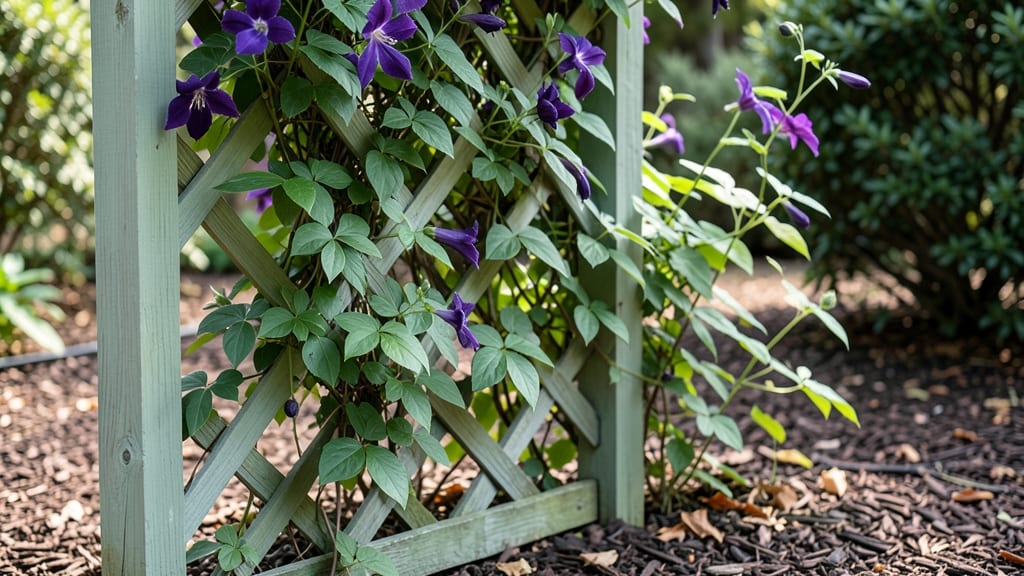
Clematis thrives in sun or shade, but getting the balance right is the key to bold blooms and healthy vines 🌸. If your clematis is throwing out leaves but refusing to flower, the light might be the culprit—too much sun scorches the foliage, while too little shade stunts the blooms.
Sun-loving varieties like Clematis viticella need at least six hours of direct light to burst into color, while shade-tolerant types like Clematis montana prefer dappled light or morning sun. The trick is matching the variety to its ideal spot, not forcing one-size-fits-all rules.
In this guide, I’ll break down which clematis types shine in sun, which thrive in shade, and how to adjust care based on your garden’s light conditions. You’ll also learn how to spot signs of light stress—like yellowing leaves or leggy growth—and fix them before they derail your blooms.
Ready to transform your clematis from a leafy wallflower to a flowering star? Let’s dive into the light secrets that will have your vines climbing and blooming like never before.
 Best Window Placement
Best clematis varieties for sun vs. shade conditions
Choosing the right clematis variety for your garden's light conditions is key to vibrant blooms and healthy growth. Some varieties thrive in full sun, while others prefer partial shade.
Understanding these needs ensures your clematis reaches its full potential, with lush foliage and abundant flowers throughout the growing season.
I've grown clematis in both sunny and shady spots, and the difference in performance is remarkable. Sun-loving varieties like Clematis viticella produce bold, long-lasting blooms when given plenty of light, while shade-tolerant types like Clematis montana reward you with delicate flowers even in filtered light.
Let's explore the best options for each condition.
🌱 Pro Tip: Always match your clematis variety to its ideal light exposure. Moving a sun-lover to deep shade can result in sparse blooms, while shade varieties in harsh afternoon sun may scorch.
For full sun conditions, Clematis viticella and Clematis texensis are top performers. These varieties produce vibrant, long-lasting blooms when given at least 6 hours of direct sunlight daily. Place them on south or west-facing walls where they'll receive afternoon sun without overheating.
If your garden is more shady, consider Clematis montana or Clematis lanuginosa. These varieties thrive under dappled light or in spots with morning sun and afternoon shade. Their delicate blooms add elegance to woodland gardens or areas under deciduous trees.
Some clematis varieties, like Clematis armandii, are adaptable and can handle both sun and shade. This makes them ideal for transition zones in your garden where light conditions change throughout the day.
I've had great success with this variety near my east-facing fence, where it gets morning sun and afternoon shade.
When selecting a clematis variety, also consider your garden's microclimate. Coastal areas with harsh afternoon sun may need shade-tolerant varieties, while inland gardens with hot summers benefit from afternoon shade protection. Always observe how light moves through your space before making your final choice.
One common mistake I see is planting sun-loving clematis in deep shade, where they produce fewer blooms and leggy growth. Conversely, shade varieties in full sun often scorch and struggle. The key is matching the variety to its ideal light conditions for optimal performance.
For best results, plant sun-loving clematis where they'll receive morning sun and afternoon shade during hot summers. This balance prevents leaf scorch while still encouraging abundant blooming. Shade-tolerant varieties, on the other hand, appreciate consistent filtered light throughout the day.
Remember that clematis growth habits also influence their light needs. Tall varieties like Clematis montana can reach 20 feet, so their lower stems may need shade protection in hot climates. Always provide support structures that allow for proper air circulation and light penetration.
How to adjust light exposure for maximum clematis blooms
Clematis plants are famously adaptable, but their light exposure can make or break those show-stopping blooms. Too much sun causes leaf scorch, while too little shade stunts flowering. The key is gradual adjustment—whether you're moving a plant from shade to sun or vice versa.
I’ll walk you through the steps to find that perfect balance for your clematis varieties, no matter where they’re planted.
Start by observing your clematis’s current location. If it’s in full sun (6+ hours of direct light), watch for crispy edges on leaves or wilting by midday. Conversely, if it’s in deep shade (less than 3 hours of light), you’ll notice sparse, weak growth and few blooms.
Both extremes signal it’s time to adjust. The goal is to mimic natural light transitions, like those under deciduous trees where sunlight shifts seasonally.
Moving a clematis from shade to full sun too quickly causes sunburn and leaf drop. Similarly, abrupt shade transitions lead to leggy growth and fewer blooms. Always acclimate over 2-3 weeks, increasing exposure by 1 hour per day. Mulch with organic matter to retain moisture during transitions.
For sun-loving varieties like Clematis viticella or Clematis texensis, begin by placing them in morning sun (east-facing) for a week. After they show no signs of stress, gradually extend their exposure to include afternoon sun.
Prune back any overly long vines to reduce water loss, and water deeply in the early morning to prevent evaporation. If you’re transitioning a shade-loving type like Clematis montana to more light, start with dappled shade before introducing direct rays.
Pruning plays a crucial role in managing light exposure. For sun-adapted clematis, prune in early spring to remove weak stems and encourage stronger, sun-resistant growth. In contrast, shade-loving varieties benefit from minimal pruning—just remove dead or crossing stems.
Always prune after the plant’s main flowering period to avoid cutting off next year’s blooms. For example, Group 1 clematis (early bloomers) should be pruned after their first flush of flowers, while Group 3 (late bloomers) can wait until late winter.
Troubleshooting light issues often comes down to soil moisture and mulching. Clematis in full sun need consistent moisture—a 2-inch layer of wood chips or straw mulch helps retain water and regulate soil temperature.
If you notice yellowing leaves, it could signal overwatering in shade or underwatering in sun. Adjust your watering schedule: deep watering every 2-3 days in summer for sun-exposed plants, while shade-dwelling clematis may only need watering once a week.
Seasonal adjustments are key, especially in climates with intense summer sun or winter shade. In late summer, provide temporary shade with a lightweight fabric screen if your clematis shows signs of stress.
Conversely, in winter, ensure it gets some reflected light from nearby surfaces to prevent weak, etiolated growth. Pair sun-loving clematis with deciduous shrubs like hydrangeas—their leaves will filter harsh afternoon rays in summer but allow light through in winter.