
Orchid Care
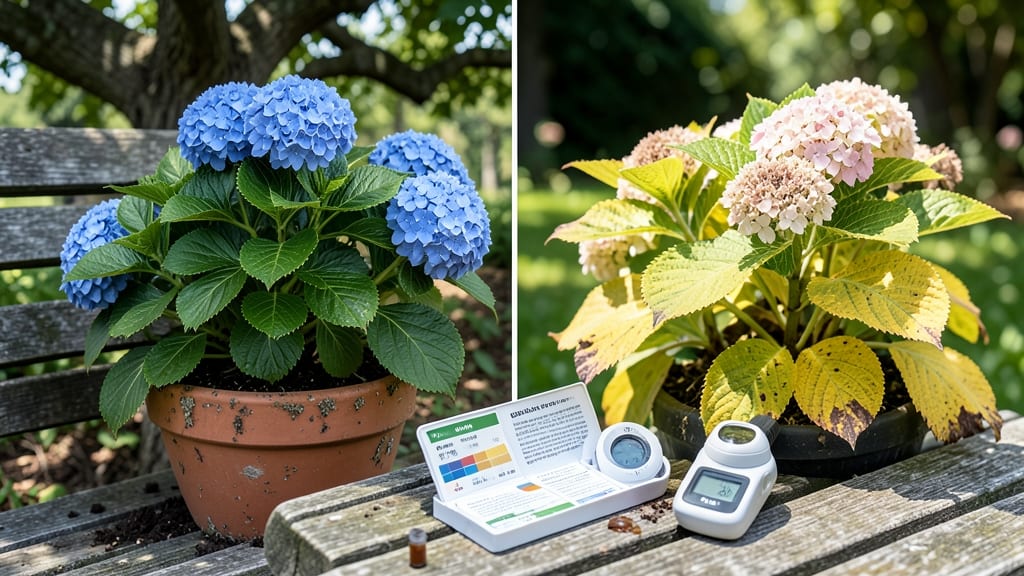
Wondering do hydrangeas need full sun or shade? They actually prefer partial shade—about 4 to 6 hours of sunlight daily—though their exact needs depend on the variety and your climate zone.
Struggling to get your hydrangeas to bloom? The answer likely lies in their light exposure—too much sun can scorch them, while too little shade may stunt their growth. Discover the exact sunlight balance your 🌸 hydrangeas need to thrive and produce stunning flowers year after year.
Most hydrangeas, like the popular mophead and oakleaf varieties, prefer morning sun and afternoon shade, especially in hotter regions like USDA Zone 6a. But panicle hydrangeas can handle a bit more sun, making them great for sunnier spots.
In this guide, I’ll break down the ideal light conditions for each type, how to spot signs of sunburn or leggy growth, and simple adjustments to keep your hydrangeas blooming beautifully.

Optimal sunlight requirements for different hydrangea varieties
Hydrangeas are stunning shrubs that thrive with the right balance of sunlight—but their needs vary dramatically by variety. While some varieties bask in morning sun, others wilt under afternoon rays. Understanding these differences is key to unlocking vibrant blooms and lush foliage.
Let’s break down the sunlight needs for the four most popular hydrangea types: Bigleaf, Panicle, Oakleaf, and Smooth, plus how to adjust care based on your USDA hardiness zone.
Most gardeners assume hydrangeas need full sun, but the truth is more nuanced. Too much direct sunlight—especially in hot climates—can cause leaf scorch and faded blooms. Meanwhile, too little light leads to sparse flowers and leggy growth.
The ideal scenario? Partial shade, defined as 4-6 hours of filtered sunlight daily, with protection from harsh afternoon rays. However, this baseline shifts depending on the variety and your local climate.
Here’s how to match your hydrangea’s light needs to your garden’s conditions, including adjustments for USDA zones 5-9. Use this guide to position your plants for maximum bloom potential and minimize stress.
For Bigleaf hydrangeas, like the beloved 'Endless Summer,' the sweet spot is morning sun and afternoon shade. These varieties are particularly sensitive to afternoon heat, which can cause leaf burn and reduce bloom size.
In USDA zones 7-9, where summers are intense, I recommend using a 30-50% shade cloth during peak afternoon hours (1 PM–5 PM) to protect them. In cooler zones (5-6), they can handle slightly more sun, but avoid placing them in open, south-facing areas.
If you’re growing Panicle hydrangeas, such as 'Limelight' or 'Little Lime,' you’ll find they’re the most adaptable to sunlight. They thrive in full sun (6-8 hours) and are even drought-tolerant once established.
In USDA zones 3-5, these varieties can handle full sun year-round, but in hotter zones (7-9), they still benefit from afternoon shade to prevent wilting. Their unique cone-shaped blooms perform best when they receive consistent light, so avoid moving them around once planted.
Oakleaf hydrangeas, like 'Snow Queen,' are the most shade-tolerant variety and often perform best with only 2-4 hours of morning light. These plants are prized for their stunning fall foliage, which develops more vibrantly in cooler, shaded conditions. In USDA zones 5-6, they can tolerate partial shade year-round, but in warmer zones (7-9), I suggest placing them under dappled shade (like under tall trees with sparse canopies) to prevent leaf scorch. Their tolerance for shade makes them ideal for woodland gardens or north-facing yards.
Finally, Smooth hydrangeas, including 'Annabelle,' strike a balance between Panicle and Bigleaf types. They prefer 5-7 hours of sunlight and can handle more sun than Bigleaf varieties but still need protection from intense
How to tell if your hydrangeas are getting too much sun or shade
Hydrangeas thrive in partial shade, but their exact needs vary depending on the variety. Too much direct sun can cause leaf scorch and crispy edges, while too little light may result in leggy stems and sparse blooms.
Learning to read your plant's signals is key to keeping them healthy and vibrant.
Start by observing the leaf color. Healthy hydrangea leaves should be a rich green. If they're turning yellow or brown, it's often a sign of too much sun exposure.
On the other hand, pale or light green leaves may indicate insufficient light. Pay attention to these visual cues to adjust your plant's location.
Another telltale sign is the growth pattern. Hydrangeas that aren't getting enough light often develop long, weak stems as they stretch toward any available sunlight. This "legginess" is a clear indicator that your plant needs more light.
Conversely, if the stems are too short and compact, it might be getting too much shade.
🌸
⚠️ Warning: Hydrangeas in Extreme Light Conditions
Too much sun causes leaf scorch (brown, crispy edges) and sunburn. Too little light leads to fewer blooms and pale stems. Act fast—adjust shade within 1-2 weeks to prevent permanent damage.
Check the bloom production as another key indicator. Hydrangeas that receive the right amount of light will produce large, abundant flowers. If you notice smaller blooms or fewer flowers than usual, it could be a sign that your plant isn't getting enough light.
Some varieties, like mophead hydrangeas, are particularly sensitive to light changes and may drop buds entirely if conditions aren't ideal.
For container-grown hydrangeas, rotate the pot every few weeks to ensure even light exposure. This helps prevent one side from becoming overly exposed while the other stays in the shade.
If you notice one side of the plant looking healthier than the other, it's time to move or adjust the container's position.
If your hydrangeas are showing signs of over-exposure, move them to a spot with morning sun and afternoon shade.
For those needing more light, gradually introduce them to brighter conditions over a few weeks to avoid shocking the plant. Monitor their progress and make adjustments as needed to keep them thriving.
🌿