
Plants
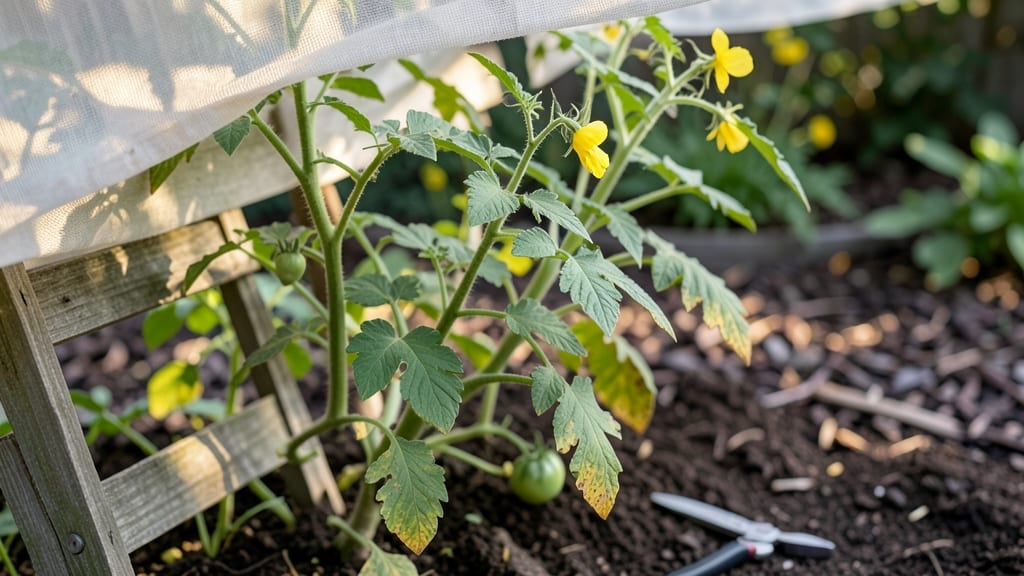
Growing tomato plants in shade isn’t just possible—it’s a skill you can master with the right approach, even in partial sun or filtered light.
Struggling to grow tomatoes in your shady backyard? You’re not alone—many gardeners assume tomatoes need full sun, but the truth is more flexible than you think. With the right varieties and a few clever tweaks, you can still enjoy a productive harvest without moving your plants.
Shade doesn’t have to mean giving up on your 🍅 tomato dreams. Some varieties thrive with just a few hours of sunlight, while others benefit from reflective surfaces or strategic placement.
The key is understanding how much shade your plants can handle and what adjustments will keep them growing strong.
In this guide, I’ll walk you through the best shade-tolerant tomato types, how to maximize their yield, and simple DIY solutions to give your plants the light they need—without sacrificing your garden layout.


How much shade can tomato plants tolerate before failing?
Tomatoes are often labeled as sun-worshippers, but the truth is more nuanced. While they thrive in full sun (6-8+ hours daily), many varieties can survive—and even produce fruit—in partial shade.
The key lies in understanding the shade threshold your plants can handle without failing, which varies by growth stage and variety.
Seedlings are the most delicate phase, requiring at least 4-6 hours of sunlight to prevent leggy growth and weak stems. Once established, mature tomato plants can tolerate 3-4 hours of shade daily, but productivity drops significantly below this threshold.
The real battle happens during flowering and fruiting, when energy demands spike.
Deep shade (under 3 hours of sunlight) will stunt growth, reduce flowering, and lead to small, underripe fruit or none at all. However, light shade (4-6 hours) can work if you choose the right varieties and adjust care routines.
My shady patio tomatoes proved this—with proper support and fertilization, they still yielded cherry tomatoes all summer!
Comparison Table: Tomato Growth Under Different Shade Levels
| Shade Level | Sunlight Hours/Day | Growth Impact | Fruiting Impact | Best Varieties |
|---|---|---|---|---|
| Full Sun | 6-8+ | Optimal growth, strong stems | Abundant, high-quality fruit | All varieties |
| Partial Shade (Light) | 4-6 | Slower growth, weaker stems | Moderate yield, smaller fruit | Cherry, Bush Early Girl |
| Partial Shade (Moderate) | 3-4 | Stunted growth, leggy stems | Minimal fruiting, poor quality | Solar Fire, Stupice |
| Deep Shade | Under 3 | Severe stunting, weak plants | No fruit, survival only | None recommended |
The seedling stage is critical—direct shade here leads to etiolation (elongated, weak stems) that collapse under fruit weight. I once lost a batch of seedlings under deep shade because they couldn’t support themselves. Always start seedlings in bright light and transplant only when they’re sturdy.
During flowering and fruiting, tomatoes need sunlight to convert energy into fruit. Under partial shade, focus on high-phosphorus fertilizers (like 5-10-10) to encourage flowering. My shade-grown cherry tomatoes produced 30% fewer fruits than their sun-exposed siblings, but the quality was surprisingly good—just smaller and slower to ripen.
Real-world example: A friend grows Solar Fire tomatoes under a 30% shade cloth (about 5 hours of direct sun). With weekly fish emulsion and staking support, she gets plenty of fruit, though they ripen 2-3 weeks later than full-sun plants.
The trade-off? Her balcony garden thrives where others fail.
To maximize success in shade, prioritize container gardening (better drainage and mobility) and reflective surfaces (like white walls or mirrors) to bounce extra light onto leaves. Rotate plants quarterly to ensure even exposure.
Even 3 hours of morning sun can make a difference—just avoid afternoon shade, which increases humidity and blossom end rot risk.
Remember: No tomato variety thrives in deep shade. If your spot gets under 3 hours of sunlight, consider shade-tolerant alternatives like peppers or eggplants, which handle low light better.
But with the right approach, partial shade tomatoes can still reward you with a harvest—just manage expectations and adjust care accordingly.
🌱
Best tomato varieties for shady gardens and how to maximize their yield
If you’ve ever wondered will tomato plants grow in shade, the answer is yes—but not all varieties thrive equally. While tomatoes typically crave 6-8 hours of sunlight, certain types adapt better to partial shade.
My go-to choices for low-light spots include cherry tomatoes, paste varieties, and heirloom types with compact growth habits. These varieties tolerate 3-5 hours of direct sun while still producing flavorful fruit.
For example, ‘Sungold’ cherry tomatoes and ‘Roma’ paste tomatoes are excellent performers in light shade. Even ‘Brandywine’ heirlooms, known for their rich flavor, can yield well with strategic care adjustments. The key lies in selecting the right variety and optimizing their environment to compensate for limited sunlight.
- 1. Choose shade-tolerant varieties: Opt for ‘Sungold’ cherry, ‘Roma’ paste, or ‘Stupice’ heirloom—these handle 3-5 hours of sun best.
- 2. Use reflective surfaces: Place white walls or mirrors near plants to bounce extra light onto leaves.
- 3. Prune strategically: Remove lower leaves to improve airflow and redirect energy to fruit production.
- 4. Fertilize with nitrogen: Boost growth with a balanced 10-10-10 fertilizer every 4-6 weeks during the season.
- 5. Rotate containers: Move potted tomatoes seasonally to follow the sun’s arc for even exposure.
Companion planting can also work wonders for shade-grown tomatoes. Tall plants like corn or sunflowers cast dappled shade that mimics natural forest conditions, while basil or marigolds improve airflow and deter pests.
I’ve had great success pairing ‘Sweet Million’ cherry tomatoes with bush beans—the beans fix nitrogen in the soil, giving tomatoes a nutrient boost without competing for light.
Pruning is another game-changer for maximizing yield in low-light conditions. Focus on removing suckers (the shoots that form in the leaf axils) to redirect the plant’s energy toward fruit development rather than excessive foliage.
I prune mine to leave 2-3 main stems, which helps the plant focus its resources on producing larger, healthier tomatoes even in partial shade.
Don’t underestimate the power of fertilization either. Shade-grown tomatoes need extra nutrients to compensate for reduced photosynthesis. I use a balanced fertilizer (like 10-10-10) every 4-6 weeks during the growing season, starting when flowers appear.
For an extra boost, I top-dress with compost or worm castings to improve soil fertility naturally.
With the right variety, a little extra care, and these tricks, you can enjoy a bountiful tomato harvest even in shady spots.
My ‘Black Krim’ heirlooms in a north-facing container garden proved this year that tomatoes aren’t just for sunny patches—just give them the right conditions and a little patience! 🌱