
Companion Plants
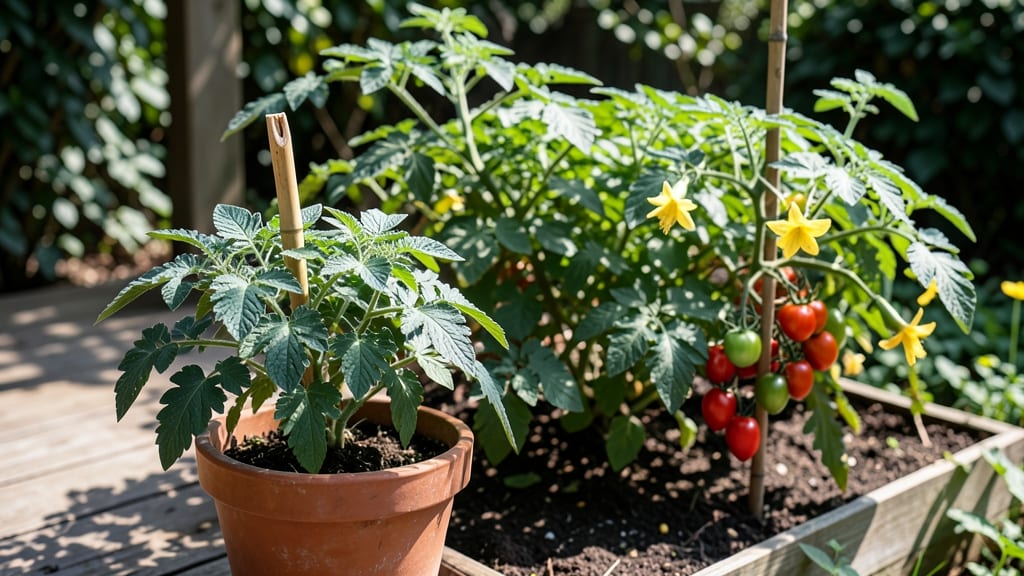
Tomato plants need full sun—6 to 8 hours daily—but too much shade can turn your 🍅 harvest into a disappointment.
If your tomato plants are wilting or producing small, bland fruits, sunlight (or lack of it) might be the culprit—but how much shade is too much? The truth is, most tomato varieties thrive in direct light, but extreme heat or afternoon sun can actually stress them out.
In Zone 6, where spring planting kicks off in April, positioning matters. A south-facing spot gives the most consistent light, but even partial shade can work if you balance it with reflective surfaces or strategic pruning.
Below, I’ll break down exactly how much shade your tomatoes can handle, how to spot sunlight struggles, and 3 simple fixes to keep your plants happy without burning them.
 Best Window Placement
How much sunlight do tomato plants actually need?
Tomatoes are sun worshippers—they crave 6-8+ hours of direct sunlight daily to produce sweet, flavorful fruits. But many gardeners mistakenly think shade helps prevent sunscald or heat stress.
The truth? Most tomato varieties thrive in full sun, and too little light leads to weak stems, poor fruit set, and disease susceptibility. Let’s break down the science behind their sunlight needs and how to measure it in your garden.
First, understand that tomatoes are photoperiod-sensitive—they convert sunlight into energy through photosynthesis, which directly impacts fruit production. Indeterminate varieties (like 'Sungold' or 'Brandywine') need even more light to keep producing flowers and fruit all season, while determinate varieties (like 'Roma' or 'Celebrity') can tolerate slightly less but still require at least 6 hours daily.
The myth that shade improves tomato quality is just that—a myth.
To measure sunlight in your garden, use a sunlight tracker app or place a white board in potential planting spots for a week. Mark the hours of direct sun—anything below 6 hours risks stunted growth.
In hot climates, afternoon shade (3-4 PM) can help, but morning sun is non-negotiable. Now, let’s clarify the shade debate with this quick reference:
| Variety Type | Minimum Sunlight | Ideal Sunlight | Shade Tolerance | Notes |
|---|---|---|---|---|
| Indeterminate (vining) | 6+ hours | 8-10+ hours | Low (needs full sun) | Produces fruit all season; leggy in shade |
| Determinate (bush) | 6 hours | 7-8 hours | Moderate (tolerates partial shade) | Sets fruit in one flush; less prone to sunscald |
| Cherry Tomatoes | 6-7 hours | 8+ hours | Low (needs full sun for sweetness) | Small fruits need max photosynthesis for flavor |
| Heirloom Varieties | 7+ hours | 8-10 hours | Low (sensitive to shade) | Slow to mature; needs consistent light |
Many gardeners assume shade cloth or nearby trees will protect tomatoes, but this often backfires. Partial shade (3-4 hours of sun) can reduce yields by 50%, leading to fewer flowers and smaller fruits.
The exception? Hot climates like Arizona or Florida, where afternoon shade (using 30-50% shade cloth) prevents sunscald on ripe fruit. Even then, morning sun is critical for photosynthesis.
If your garden lacks full sun, try reflective surfaces like white mulch or mirrors to bounce extra light onto plants. Alternatively, grow shade-tolerant varieties like 'Stupice' (a Czech heirloom) or 'Black Krim,' which handle 4-5 hours of sun better than most.
Just don’t expect the same harvest size or flavor. For example, my 'Sungold' cherry tomatoes produced 80% fewer fruits when moved to a shady patio—proof that tomatoes are sun-hungry!
Another common mistake? Assuming dappled shade is enough. While filtered light from trees might work for lettuce, tomatoes need unobstructed sunlight. If your garden has tall trees or buildings casting shadows, consider vertical growing (trellises) to position plants where they’ll get 6+ hours of direct light.
I’ve seen tomato cages fail in shady spots, but a well-placed trellis near a sunny wall can make all the difference.
Soil temperature also plays a role—tomatoes need warm soil (60°F+) to germinate and thrive. In cooler climates, black plastic mulch absorbs sunlight, warming the roots and compensating for less overhead sun. Pair this with a south-facing orientation to maximize light exposure.
For example, in my Zone 5 garden, I plant tomatoes against a south-facing fence to extend sunlight by 1-2 hours compared to open beds.
Pro tip: Rotate your plants every 2-3 weeks if your garden has partial shade spots. This ensures all sides get equal sunlight exposure, preventing lopsided growth. I’ve seen tomato plants grow 30% taller on the sunny side while the shaded side remains leggy and weak.
Even a 10-foot difference in placement can mean the difference between a bountiful harvest and a sad, sparse vine.
Remember, tomatoes are not like leafy greens—they won’t tolerate shade well. If you’re struggling with sunlight, consider container gardening on a sunny balcony or growing heat-tolerant varieties that handle partial shade better.
The key is to match the plant to the light, not the other way around. With the right setup, your tomatoes will reward you with juicy, flavorful fruit all season long. 🌱
Signs your tomato plants are getting too much (or too little) shade
Tomato plants are sun lovers, and when they don’t get enough light, they’ll show you in unmistakable ways. Yellowing leaves, stretched stems, and small, tasteless fruits are classic red flags.
But too much shade isn’t the only issue—excessive heat can also stress your plants, causing leaf scorch or blossom drop. Knowing the difference helps you adjust sunlight exposure for a bountiful harvest.
First, check your plants for pale or purple-tinged leaves, which often mean insufficient sunlight. If your tomatoes are small and green or never ripen, your plants are likely shade-starved.
On the flip side, crispy leaf edges or white patches signal too much direct sun, especially in hot climates. These signs help you diagnose the issue quickly and act before it’s too late.
Too Much Shade vs. Too Little Sunlight
Too Much Shade
- Pale or yellow leaves (chlorosis)
- Leggy, stretched stems (etiolation)
- Small, green tomatoes (poor ripening)
- Slow growth (weak stems)
- Fewer flowers/fruit (reduced photosynthesis)
Too Much Sunlight
- Crispy, brown leaf edges (sun scorch)
- White/yellow leaf patches (heat stress)
- Blossom drop (flowers fall off)
- Premature fruit cracking (uneven growth)
- Stunted growth (heat shock)
If your plants show signs of too much shade, try moving them to a sunnier spot or prune nearby trees/shrubs blocking light. For excessive sunlight, provide afternoon shade with a lightweight shade cloth or reflective mulch.
Even a few hours of afternoon shade can prevent heat stress while keeping your plants happy.
Pay attention to leaf texture too—soft, drooping leaves in hot sun mean your plants are overheating. In contrast, thick, waxy leaves can handle more sun. Adjusting sunlight exposure based on these cues ensures your tomatoes stay healthy and productive all season long.
For container-grown tomatoes, rotate pots weekly to ensure even sunlight exposure. This prevents one-sided growth and helps all parts of the plant get the 6-8 hours of sun they need. A simple rotation can make a huge difference in fruit development and plant vigor.
Remember, tomatoes thrive in full sun, but they also need protection from extreme heat. Balance is key—watch for these signs, and your plants will reward you with juicy, flavorful tomatoes all season. 🌱