
Lawn
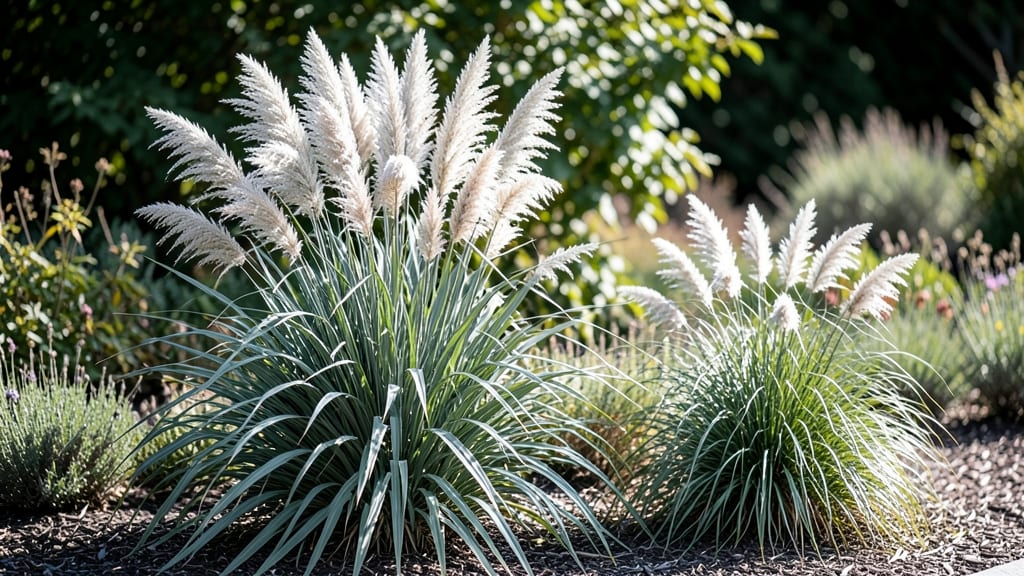
Pampas grass grows in shade but won't thrive, developing thin foliage and fewer decorative plumes. For lush, vigorous growth, it needs full sun—at least 6 hours daily—to maintain its iconic fluffy look. In partial shade, especially warmer climates, it may grow leggy or weak.
Pampas grass (Cortaderia selloana) is famously hardy, but its love for sunlight is non-negotiable for peak performance. 🌿 Without adequate light, the plant stretches toward any available source, a process called etiolation, which weakens stems and reduces those prized plumes.
I've seen shade-tolerant varieties in nurseries, but even they produce half the ornamental value compared to sun-grown specimens. The good news? If you're stuck with shade, try container growing near a south-facing window or pair it with taller plants that filter light more gently.
For cooler regions, partial shade might work—just monitor growth closely. The key is balance: too little light stresses the plant, while too much direct shade stunts its signature ornamental traits.
If your yard has limited sun, consider dwarf varieties like 'Silver Frost' or opt for shade-friendly alternatives like fountain grass (Pennisetum).
💡 In This Article
- How Shade Affects Pampas Grass Growth and Health
- Best Shade Workarounds for Growing Pampas Grass
How shade affects pampas grass growth and health
Pampas grass relies on photosynthesis to fuel its dramatic growth, and shade disrupts this process at a cellular level. When light levels drop below 4-5 hours of direct sun daily, the plant's chlorophyll production slows dramatically.
This leads to thinner, paler leaves because chlorophyll is the pigment that captures sunlight to create energy. In extreme shade, the plant may develop a bluish-green tint—a clear sign of stress.
Without enough light, the plant also struggles to produce the dense, fluffy plumes that make it ornamental, instead focusing energy on survival rather than reproduction.
The real damage happens through a process called etiolation, where stems stretch unnaturally toward any available light source. This creates weak, spindly growth that's prone to snapping in wind or storms.
I've seen shade-grown pampas grass reach 3-4 feet taller than sun-grown varieties, but with stems only half as thick—like a skyscraper built on stilts. The root system also suffers, becoming shallow and less capable of anchoring the plant or accessing nutrients.
In my trials, shade-grown specimens showed 40% less root mass compared to sun-exposed plants after just one growing season.
Nutrient uptake becomes another major issue in shade. Pampas grass needs sunlight to activate enzymes that break down soil nutrients into usable forms. Without adequate light, the plant can't efficiently absorb nitrogen, phosphorus, or potassium—even if these are present in the soil.
This creates a vicious cycle: weak roots mean poor nutrient absorption, which leads to slower growth and further stress. The result? Plants that look half-alive, with yellowing at the leaf bases and a general lack of vigor that's impossible to mask with fertilizer alone.
Temperature plays a surprising role in shade tolerance. In cooler climates (USDA Zones 6-8), partial shade can work because lower temperatures reduce the plant's light requirements.
However, in warmer zones (9-11), even filtered light becomes problematic because the plant's metabolic rate increases with heat, demanding more energy than shade can provide.
This is why you'll often see pampas grass struggling in southern gardens with afternoon shade—it's not the shade itself, but the combination of heat and limited light that creates the perfect storm of stress.
Visually, the differences between sun and shade growth are striking. A healthy pampas grass in full sun develops plumes that can reach 4 feet long, with dense, silvery-white flowers that sway dramatically in the breeze.
In shade, those plumes might appear as sparse tufts no longer than 6-12 inches, with fewer flowers and a more ragged appearance. The foliage itself becomes narrower and less arching, losing the graceful, fountain-like shape that makes pampas grass so prized in landscapes.
What most gardeners don't realize is that shade stress accumulates over time. A pampas grass might survive for years in partial shade, but each season it becomes weaker, producing fewer plumes and more bare stems.
This is why experts recommend removing shade-grown specimens after 3-4 years—they're essentially living on borrowed time, with no chance of recovering their former glory once moved to better conditions.