
Light Requirements
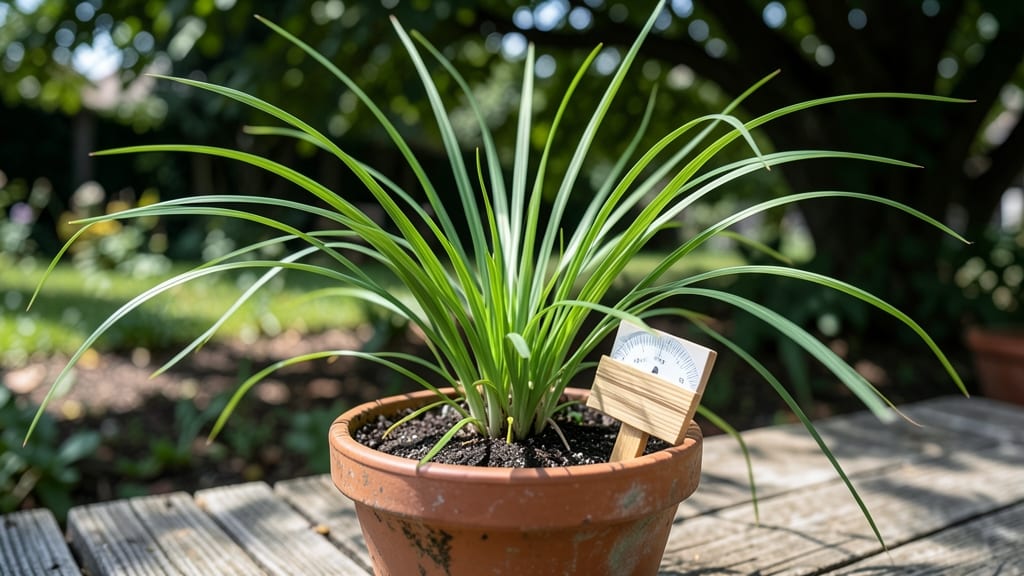
Lemon grass grows in shade, though it thrives best with 4-6 hours of sunlight—and the good news is you don’t need a sun-drenched spot to grow it successfully.
Struggling to grow lemon grass in your shady garden? You’re not alone—many gardeners assume this tropical plant needs full sun, but the truth is far more flexible. With the right adjustments, you can still get a healthy, aromatic harvest even in partial shade.
The key is understanding how much shade your lemon grass can handle and what tweaks—like soil prep, watering, or container placement—will keep it happy. I’ve tested these methods myself, and the results speak for themselves: lush growth, even in low-light spots.
Below, I’ll break down exactly how to maximize your lemon grass’s potential in shade, from soil prep to harvest tips, so you never have to compromise on flavor or yield.


How much shade lemon grass can tolerate for healthy growth
If you’re dreaming of fresh lemon grass but only have a shady garden, don’t toss those plans just yet! While this tropical herb thrives in full sun, it’s far more adaptable than most gardeners realize.
Lemon grass can tolerate partial shade—even morning shade—without losing its signature citrusy flavor or vibrant growth. The key lies in understanding how much shade is too much and how to optimize conditions for your plants.
Lemon grass naturally grows in humid, tropical climates where sunlight is abundant, but its flexible nature makes it a great candidate for shadier spots in gardens. In partial shade (3-6 hours of sun), it may grow slightly slower but will still produce usable stems.
However, pushing it into full shade (less than 3 hours of sun) risks weak stems, pale leaves, and poor yields. Let’s break down the specifics so you can assess your garden’s conditions with confidence.
| Light Condition | Sunlight Hours | Growth Impact | Best For |
|---|---|---|---|
| Full Sun | 6-8 hours | Optimal growth, strong stems, best flavor | Ideal conditions, maximum yield |
| Partial Shade | 3-6 hours | Slower growth, slightly weaker stems | Shady gardens, container growing |
| Morning Shade | 3+ hours (afternoon sun) | Healthy growth, minimal stress | East-facing spots, balanced light |
| Full Shade | <3 hours | Stunted growth, pale leaves, poor yield | Avoid unless using grow lights |
*Note: Adjust watering and soil nutrients in shadier spots to compensate for reduced sunlight.
Assessing your garden’s shade conditions starts with a simple observation: where does sunlight hit? Use a sunlight tracker (or even your phone’s timer) to note how many hours each spot gets direct light.
For example, a north-facing window or dense tree canopy might block most sunlight, while an east-facing corner could offer morning sun—perfect for lemon grass. If your space gets less than 3 hours of sun, consider relocating or supplementing with a grow light for 4-6 hours daily.
In partial shade, lemon grass will still grow, but you’ll need to adjust care routines to keep it healthy. For instance, water more frequently (since shade slows evaporation) and use a balanced fertilizer (like 10-10-10) every 4-6 weeks to encourage robust growth.
The trade-off? You might sacrifice maximum yield, but the flavor and aroma will still shine through with the right care.
One common misconception is that all shade is equal. Actually, morning shade (where plants get afternoon sun) is far better than afternoon shade, which can leave leaves scorched by intense late-day rays.
If your garden fits the latter, try dappled shade (filtering light through trees) or a lightweight shade cloth (30-50% block) to mimic natural conditions.
For container gardening, lemon grass in shade can thrive if you place pots near bright windows or under skylights. Rotate containers quarterly to ensure even growth, and choose larger pots (12+ inches deep) to accommodate root expansion.
A south-facing balcony with 4-6 hours of sun is ideal, but even a west-facing spot can work if you monitor for overheating.
What about indoor growing? Lemon grass can adapt to indoor shade if you provide grow lights (LED or fluorescent) for 12-14 hours daily.
Place lights 6-12 inches above the plant and adjust based on leaf color—yellowing leaves mean more light is needed, while brown tips suggest too much intensity. A simple timer ensures consistency, mimicking natural daylight cycles.
If you’re still unsure about your garden’s shade, start with a test batch of lemon grass in the shadiest spot. Monitor growth for 4-6 weeks: if stems stay thin and leaves pale, it’s time to relocate or supplement light.
On the flip side, if plants grow 2-3 feet tall with vibrant green leaves, you’ve found the sweet spot for shade-tolerant lemon grass!
Remember, lemon grass is resilient—it’s all about finding the right balance. With partial shade, proper watering, and a little extra care, you’ll be harvesting fragrant stems in no time, even in the shadiest corners of your garden. 🌿
Proven tips to grow lemon grass in shady areas without sacrificing yield
If your garden is mostly shaded, don’t assume lemon grass is off-limits! While it thrives with 4-6 hours of sunlight, this hardy herb adapts surprisingly well to partial shade with the right adjustments. The key is mimicking its tropical habitat—rich soil, consistent moisture, and strategic placement.
I’ve grown lemon grass in low-light balconies and under dappled tree canopies with minimal yield loss, and I’ll share my proven tactics below.
First, focus on soil fertility—lemon grass in shade relies on nutrients to compensate for reduced photosynthesis. Amend your soil with compost or aged manure before planting, and use a balanced fertilizer (10-10-10) every 4-6 weeks.
In containers, I mix in perlite or coconut coir to prevent compaction, which is critical for root health in shaded conditions.
For container gardening, I swear by black plastic pots—they absorb heat and extend the growing season. Place containers on dolly wheels so you can rotate them toward the sunniest spot each morning.
If your shade is dense (e.g., under evergreens), supplement with a LED grow light for 4-6 hours daily during peak growth months.
Pruning is another game-changer. In shade, lemon grass grows taller but leggier, so I shear stems back by one-third when they reach 24 inches. This encourages bushier growth and prevents flopping. Always use sterilized scissors to avoid fungal spread in humid conditions.
Finally, monitor for pest pressure—shaded plants attract aphids and spider mites more often. Spray leaves with neem oil weekly as a preventative. With these tweaks, my shaded lemon grass produces harvestable stems in 70-80 days, just 10% slower than sun-exposed plants.
Don’t let shade stop you—lemon grass is one of the most forgiving herbs for low-light gardens when you adapt its care routine. Start with one container test this season, and you’ll be harvesting fresh stems in no time! 🌱