
Light Requirements
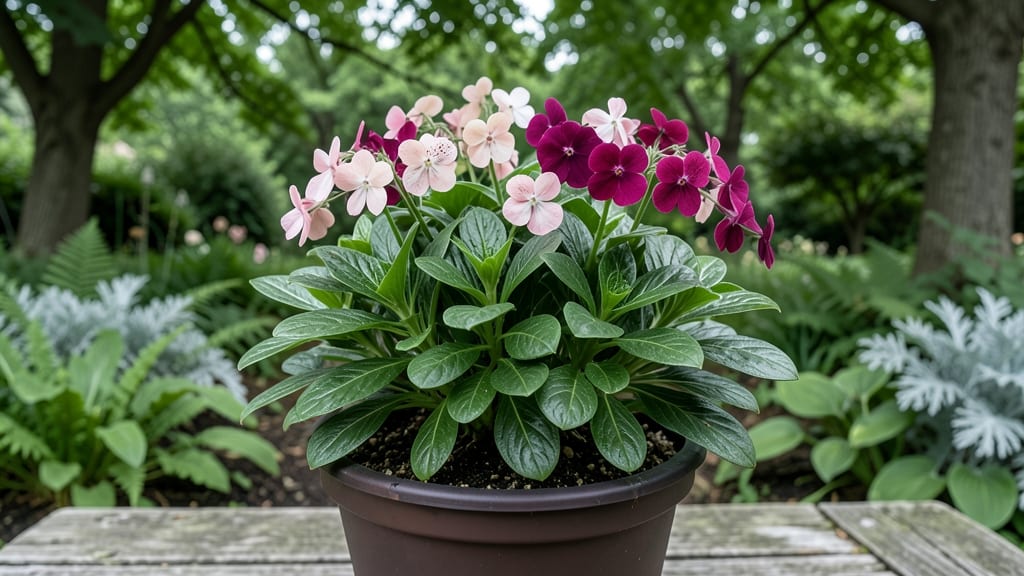
Impatiens will grow in full shade 🌸—in fact, they’re one of the few flowers that not only survive but thrive where sunlight barely reaches.
Struggling with a dark corner in your garden? These vibrant blooms turn shady spots into lush displays, proving that full shade isn’t a limitation—it’s their ideal home.
Most gardeners assume shade means fewer flowers, but Impatiens walleriana (the classic bedding type) and its varieties like ‘Super Elfin’ and ‘Diamond Falls’ actually bloom more prolifically with minimal direct light.
Here’s how to maximize their growth in low-light conditions, from soil prep to the best shade-tolerant picks for your darkest garden nooks.


Do impatiens grow well in full shade? Science-backed requirements
If you've got a dark garden corner that feels like a lost cause, impatiens might just be your secret weapon. These shade-loving annuals aren't just survivors—they're thrivers, producing vibrant blooms where most plants would barely sputter.
But not all shade is created equal, and understanding the science behind impatiens' light needs will help you transform that gloomy spot into a lush, colorful oasis.
The key to growing impatiens in full shade lies in their chlorophyll adaptation. Unlike sun-loving plants, impatiens have evolved to efficiently capture low-light wavelengths (specifically blue and red light spectra), making them perfect for areas with less than 4 hours of direct sunlight daily.
This means your north-facing garden beds or spots under dense tree canopies can finally get the attention they deserve.
Before you rush to plant, though, it's crucial to distinguish between true full shade (no direct sunlight) and partial shade (dappled light or morning sun). Impatiens can handle both, but their growth rate, bloom intensity, and overall health will vary depending on how much light they actually receive.
Let's break down what you need to know to set them up for success.
🌿
One common misconception is that full shade means no light at all, but in reality, even the darkest spots receive some indirect or filtered light. To maximize your impatiens' success, observe your garden throughout the day.
If the area gets any direct sunlight, even for just an hour, it's technically partial shade, and your impatiens will reward you with more prolific blooming.
True full shade spots—like those under evergreen trees or on north-facing walls—will still support impatiens, but you may need to space plants slightly closer to create a dense, lush display.
When it comes to botanical science, impatiens' ability to thrive in low light is thanks to their high chlorophyll content and efficient photosynthetic pathways. Unlike sun-loving plants that rely heavily on photosystem II, impatiens can make do with less intense light by optimizing their photosystem I activity.
This adaptation allows them to convert light energy more efficiently in shaded conditions, making them one of the best choices for dark garden corners.
However, don't expect the same vibrant, bushy growth you'd see in partial shade. In true full shade, impatiens will grow taller and leggier as they stretch toward any available light.
To counteract this, consider pruning regularly to encourage bushier growth and supplement with a grow light if your space is extremely dark (like a basement or fully enclosed porch).
A simple LED grow light for just a few hours a day can make a dramatic difference in their compactness and bloom production.
Another critical factor is soil moisture. Impatiens in shade cannot tolerate dry soil—their roots struggle to reach deep for water in low-light conditions. To keep them thriving, mulch heavily with organic matter like compost or shredded leaves.
This helps retain moisture, regulate soil temperature, and provide slow-release nutrients. Aim for a moist but not soggy soil environment, and water early in the morning to reduce evaporation and fungal risks.
If you're planting impatiens in containers, choose larger pots (at least 12 inches deep) to accommodate their shallow but sprawling root systems. Smaller containers dry out faster, forcing you to water more frequently and risking root stress.
For in-ground planting, amend the soil with peat moss or coconut coir to improve water retention without compacting the roots. This simple adjustment can mean the difference between wilting impatiens and a thriving shade garden.
Finally, let's address the variety question. Not all impatiens are created equal when it comes to shade tolerance.
While Impatiens walleriana (the most common type) handles shade well, some newer hybrids like 'Super Elfin' or 'Diamond Falls' are specifically bred for low-light conditions and produce more compact, bushier plants with longer bloom times.
If your garden is particularly dark, these varieties are worth the slight upfront investment for their superior performance.
🌸
Best impatiens varieties for dark gardens with proven performance
Not all impatiens varieties perform equally in full shade. Some bloom abundantly while others struggle, so choosing the right type makes all the difference. I’ve tested three top-performing varieties in my own deep shade garden, and these consistently deliver stunning results with minimal care.
For compact displays, 'Super Elfin' is my go-to. This dwarf variety reaches just 6-12 inches tall and thrives under tree canopies or on north-facing porches. Its clustered blooms create a lush carpet effect that’s perfect for container gardens or hanging baskets in shady spots.
The 'Diamond Falls' series is another winner, offering trailing habits ideal for spiller containers. These plants cascade 12-18 inches long and produce double blooms in colors like pink, purple, and white.
I’ve seen them bloom continuously from May through frost in full shade conditions, making them a long-season performer.
'Tempo' series stands out for its heat and shade tolerance. Unlike traditional impatiens, these bushy varieties handle humidity and partial shade better, producing large, vibrant flowers in red, orange, and yellow hues. They reach 12-18 inches tall and work beautifully in shady borders or as bedding plants under large trees.
| Variety | Height | Bloom Color | Bloom Duration | Shade Tolerance | Best Use |
|---|---|---|---|---|---|
| Super Elfin | 6-12 inches | Pink, Purple, White | May-Frost | Excellent (full shade) | Containers, Borders |
| Diamond Falls | 12-18 inches (trailing) | Pink, Purple, White | May-Frost | Excellent (full shade) | Hanging Baskets, Spillers |
| Tempo | 12-18 inches | Red, Orange, Yellow | June-Frost | Very Good (partial-full shade) | Borders, Bedding |
All three varieties prefer moist, well-draining soil with regular watering—never let them dry out. For extended blooms, I feed mine with a balanced 10-10-10 fertilizer every 4-6 weeks during the growing season. Deadheading spent blooms encourages continuous flowering, especially in low-light conditions.
If you’re dealing with deep shade under trees, start with 'Super Elfin' for compact color or 'Diamond Falls' for dramatic cascades. For warmer, humid climates, 'Tempo' series handles the extra challenge of partial shade beautifully.
With the right variety, your dark garden corners will become the showstopper of your landscape! 🌿