
Light Requirements
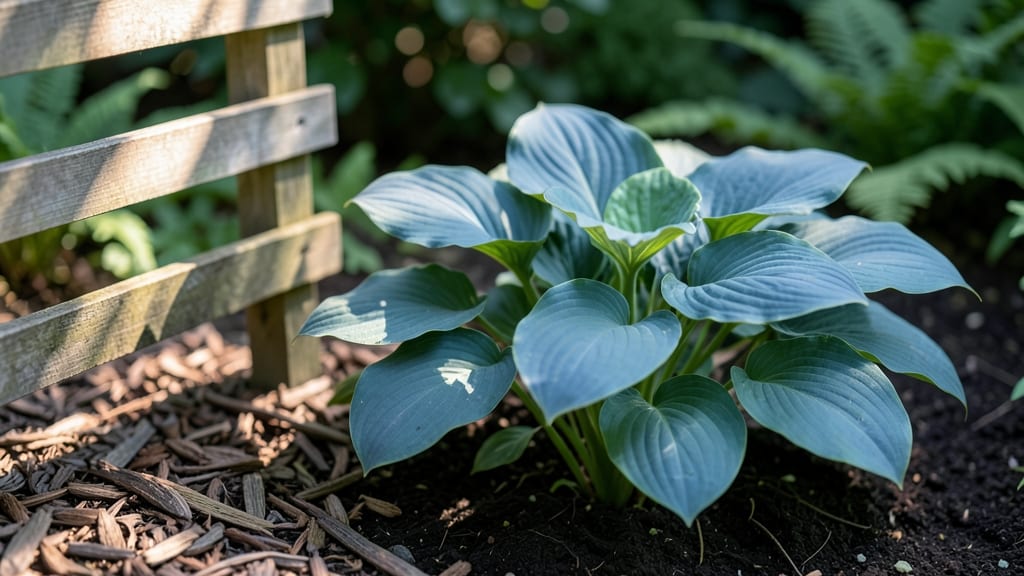
Understanding partial shade helps you match plants to their perfect light environment. 🌿 The key is balancing sun exposure—morning sunlight (cooler and less intense) works well for many shade-loving plants, while afternoon sun (hotter and stronger) should be limited.
Shade structures like trees or awnings naturally create these conditions by breaking sunlight into softer rays. For example, a spot under a deciduous tree provides partial shade in summer but may offer full sun in winter when leaves fall.
This light range supports a wide variety of plants, from delicate ferns to hardy hostas. The filtered light prevents leaf scorch while still allowing enough photosynthesis for healthy growth. In container gardening, you can mimic these conditions by placing pots near north-facing windows or under patio umbrellas.
The goal is to avoid the extremes—too little light weakens plants, while too much causes stress and damage.
💡 In This Article
- How Sunlight Hours Define Partial Shade Conditions
- Best Plants for Partial Shade Gardens and Containers
How sunlight hours define partial shade conditions
Partial shade isn't just about counting hours—it's about understanding how sunlight intensity changes throughout the day. Morning sun (before 10 AM) delivers cooler, less intense light with UVB rays at 50-60% intensity, while afternoon sun (after 2 PM) can hit 80-90% UVB intensity.
This difference explains why plants often thrive with morning sun exposure but struggle under prolonged afternoon rays, even if the total hours are the same.
For example, a spot receiving 4 hours of morning sun and 2 hours of afternoon sun creates a gentler partial shade environment than 6 hours of concentrated afternoon sun. 🌞
The quality of light matters just as much as quantity. Direct sunlight delivers 100% light intensity with full-spectrum wavelengths, while filtered light (through leaves or shade cloth) reduces intensity by 30-70% and softens shadows.
Shade structures like deciduous trees or lattice awnings naturally create this filtered effect by diffusing light through leaves or slats. Even a 30% shade cloth (which blocks 30% of light) can transform harsh sun into gentle partial shade. The key is replicating nature's built-in light regulation system in your garden.
Photosynthesis efficiency drops dramatically when plants receive more than 6 hours of direct sun without adaptation. Leaf cells begin to overheat, causing chlorophyll breakdown and visible browning (scorch).
However, plants in partial shade develop thicker cuticles and more chlorophyll in response to lower light levels, making them better equipped to handle brief sun exposure. This biological adaptation explains why many shade plants can tolerate 3-4 hours of direct sun but wilt under full sun conditions.
The plant's internal light sensors (phytochromes) detect these subtle changes and adjust growth patterns accordingly. 🌱
Microclimates add another layer of complexity. A north-facing wall might cast permanent shade, while a south-facing area under a tree could receive partial shade for only 2 hours in winter but 6 hours in summer. Urban environments with tall buildings create "light tunnels" that alter sunlight patterns unpredictably.
To measure your space accurately, use a light meter or observe how shadows move throughout the day. Most partial shade gardens benefit from morning sun and afternoon shade, mimicking the natural protection provided by forest understories.
Light intensity isn't the only variable—humidity and temperature play supporting roles. Areas with higher humidity (like coastal regions) allow plants to tolerate slightly more direct sun because moisture in the air helps dissipate heat. Conversely, dry climates amplify the need for shade protection.
For instance, a hosta plant might thrive with 5 hours of partial shade in Seattle but require only 3 hours in Phoenix. This environmental context explains why "partial shade" guidelines often vary by region. Understanding these interactions helps you create the perfect growing conditions for sun-sensitive plants. 🌍
For practical application, think of partial shade as a 3-part system:
- Morning sun (3-4 hours): Gentle light for photosynthesis without heat stress
- Midday shade (2-4 hours): Protection from peak UV rays (11 AM-3 PM)
- Afternoon light (1-2 hours): Softer rays for continued growth without overheating