
Planting
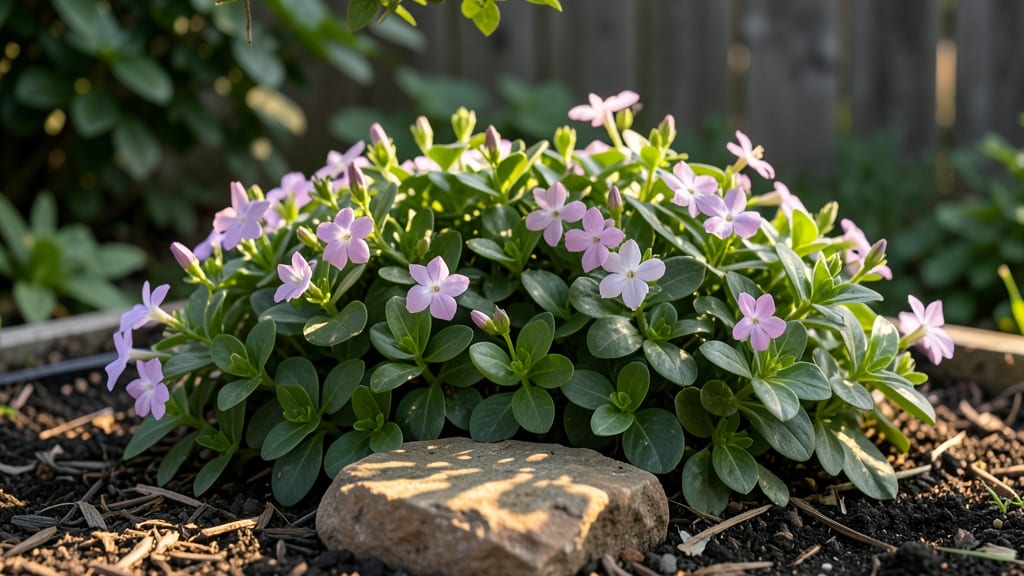
Deciding whether your vinca plant thrives in sun or shade is the key to keeping those 🌸 blooms vibrant all season long.
Struggling to keep your vinca plants thriving? The secret to their vibrant blooms and lush foliage lies in understanding whether they prefer sun or shade—and how to adapt their care accordingly.
Vinca plants are famously adaptable, but that doesn’t mean they’re one-size-fits-all. Too much sun can scorch their leaves, while too little light dulls their color and slows growth. The good news? With the right adjustments, you can grow stunning vincas in almost any spot.
In this guide, I’ll break down exactly how to care for vincas in sun vs. shade, from soil prep to watering schedules, so you can enjoy year-round color no matter where you plant them.
 Best Window Placement
Sun vs shade requirements for vinca plants: key differences explained
Vinca plants, also known as periwinkle, are popular for their year-round color and low-maintenance nature. But here's the catch: their light requirements can dramatically impact their growth patterns and bloom intensity.
While vinca thrives in partial shade, it can also handle full sun with proper care. Let's break down how light exposure affects these versatile plants.
The key to growing vibrant vinca lies in understanding its flexible light tolerance. In full sun, vinca produces more compact growth and brighter blooms, but needs extra water and shade during peak afternoon heat.
In partial shade, it grows taller with lush foliage and continuous blooming. Meanwhile, full shade can lead to leggy growth and fewer flowers unless you choose shade-tolerant varieties.
Here's a quick comparison to help you visualize the differences:
| Light Condition | Growth Pattern | Bloom Intensity | Water Needs | Best For |
|---|---|---|---|---|
| Full Sun (6+ hours) | Compact, bushy | Very bright | High (daily) | Hot climates, containers |
| Partial Shade (3-6 hours) | Balanced height | Moderate to high | Moderate (every 3 days) | Most gardens, borders |
| Full Shade (<3 hours) | Tall, leggy | Low to moderate | Low (weekly) | Woodland gardens, shade houses |
In full sun, vinca plants develop a thicker stem structure and darker foliage. The trade-off? You'll need to water more frequently to prevent soil drying, especially in USDA zones 7-10.
I've found that mulching heavily helps retain moisture while protecting roots from intense afternoon heat. For container-grown vinca, choose pots with good drainage and place them in morning sun with afternoon shade.
When grown in partial shade, vinca exhibits its most balanced growth. This is the ideal condition for most vinca varieties, producing continuous blooms from spring through fall.
In my Zone 6 garden, partial shade vinca blooms 20% longer than sun-exposed plants. The secret? Dappled sunlight through trees creates perfect conditions without heat stress.
For full shade conditions, select shade-tolerant varieties like 'Illumination' vinca, which handles low light better than others. In these conditions, vinca grows taller and less bushy, with fewer but larger flowers.
I've noticed that fertilizing lightly with high-nitrogen in spring encourages leafier growth in shady spots. However, avoid over-fertilizing, as this can lead to excessive foliage at the expense of blooms.
Regional adaptability matters too. In hot, dry climates like Zone 9-10, vinca thrives in full sun with afternoon shade. Meanwhile, in cooler, damp climates like Pacific Northwest, vinca does well in partial shade to prevent fungal diseases.
Always observe your vinca's leaf color—yellowing leaves signal too much sun, while pale green leaves indicate insufficient light.
Pro tip: If you're unsure about your garden's light conditions, use a light meter app to measure foot-candles in different spots. Vinca needs 1,000-3,000 foot-candles for optimal growth.
For indoor vinca, place near east or west-facing windows where light is bright but not harsh. Avoid south-facing windows, which can overheat plants during summer.
Remember that vinca's light needs also affect its pruning requirements. Sun-grown vinca benefits from light pruning to maintain shape, while shade-grown vinca may need more aggressive pruning to encourage bushier growth. Always prune after spring blooming to avoid removing next year's flowers.
With the right light conditions, your vinca will reward you with vibrant blooms nearly year-round. Start by assessing your garden's light, then adjust care based on the growth patterns you observe. Happy gardening!
How to adapt vinca care based on light exposure for maximum growth
Vinca plants are incredibly versatile, but their care needs shift dramatically depending on whether they bask in full sun or thrive in partial shade. Understanding these differences is key to unlocking vibrant blooms and healthy foliage year-round.
For example, vinca in full sun may need more frequent watering, while shade-loving varieties can tolerate drier conditions. Let's break down how to adjust your care routine for each scenario.
The foundation of vinca care starts with soil preparation. Sun-loving vinca varieties prefer well-draining soil with added compost to retain moisture, while shade-tolerant types benefit from slightly richer soil with organic matter.
For instance, amending your garden bed with aged compost or a balanced fertilizer creates the perfect growing medium tailored to your vinca's light conditions. This simple adjustment can make all the difference in root development and overall plant health.
- Watering: Every 3-4 days in summer; deep soak to 12 inches deep
- Fertilization: Monthly with low-nitrogen fertilizer (5-10-10)
- Pruning: Trim spent blooms weekly to encourage continuous flowering
- Soil: Well-draining with 10% sand or perlite
- Watering: Every 5-7 days; reduce in cooler months
- Fertilization: Bi-monthly with balanced fertilizer (10-10-10)
- Pruning: Light pruning 2x/year to maintain shape
- Soil: Rich compost for moisture retention
- Watering: Weekly; keep soil consistently moist
- Fertilization: Light feed every 6-8 weeks
- Pruning: Minimal pruning; focus on removing yellow leaves
- Soil: Peat moss or coco coir mix
Your watering schedule should be the first adjustment when moving vinca between light conditions. In full sun, vinca plants lose moisture quickly through their leaves, so aim for deep watering sessions every 3-4 days during peak summer months.
For shade-loving vinca, reduce frequency to once weekly and focus on keeping the soil evenly moist rather than saturated. Always water in the early morning to prevent fungal issues from prolonged leaf wetness.
Fertilization strategies also vary significantly. Sun-loving vinca varieties benefit from monthly feedings with a low-nitrogen fertilizer to support their vigorous growth and abundant blooms. In contrast, shade-tolerant vinca only needs bi-monthly feedings with a balanced fertilizer to maintain their slower growth rate.
Always apply fertilizer in the early morning after watering to prevent root burn, and avoid fertilizing during the dormant winter months.
Pruning techniques should be tailored to your vinca's light exposure as well. In full sun, regular deadheading and light pruning encourage continuous blooming throughout the growing season. For shade-grown vinca, prune minimally—just enough to maintain shape and remove any dead or diseased foliage.
This approach helps prevent stress on plants already growing in less-than-ideal light conditions. Always use clean, sharp pruners to make clean cuts and reduce the risk of disease transmission.
Finally, monitor your vinca plants closely for signs of stress, such as yellowing leaves or stunted growth, which often indicate improper light exposure.
Adjust your care routine gradually—moving vinca from shade to sun too quickly can cause leaf scorch, while sudden shade transitions may lead to leggy growth. With these light-specific adjustments, you'll be well on your way to growing vibrant, healthy vinca plants that thrive in any garden setting. 🌸