
Shrubs
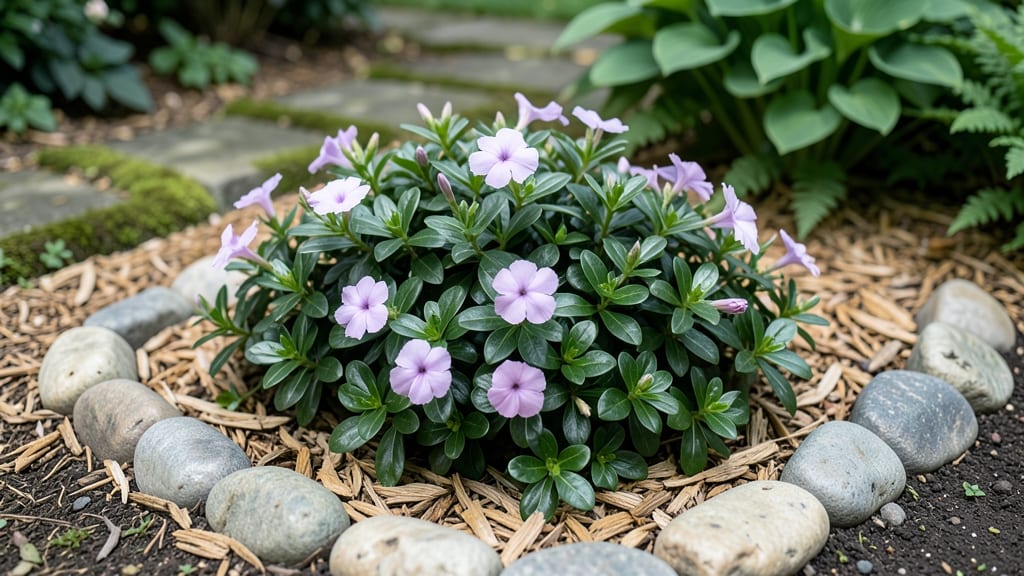
Shade-loving vinca 🌸 thrives in low-light gardens, offering vibrant foliage and effortless beauty where sun-loving plants struggle.
Picture this: a lush, green carpet under your trees, needing almost no care, yet looking polished year-round. That’s the magic of vinca in shaded spots—it’s the secret weapon for gardeners who want color without the sun.
From Vinca minor’s trailing vines to ‘Illumination’’s chartreuse leaves, these varieties prove you don’t need full sun for stunning results. Whether you’re filling gaps in a woodland garden or dressing up containers, vinca delivers with minimal fuss.
In this guide, I’ll walk you through the top 3 shade-tolerant vinca types, how to plant them for maximum impact, and the simple care routine that keeps them thriving—even in the darkest corners of your yard.
 Best Window Placement
3 Best vinca varieties for shady gardens and their growing needs
If you're searching for shade-tolerant plants that deliver year-round color and texture, vinca—also called periwinkle—is a game-changer. Unlike sun-loving annuals, these evergreen ground covers thrive in low-light conditions while demanding minimal care.
Whether you're working with deep shade under trees or a north-facing border, the right vinca variety will keep your garden vibrant without fading.
Not all vinca varieties perform equally in shade. Some struggle with leggy growth or pale foliage, while others flourish with bold colors and dense mats. Below, I’ll break down the top 3 shade-friendly vinca varieties, their ideal growing conditions, and how to maximize their potential in your garden.
These picks are tested for USDA Zones 4-9, making them adaptable to most climates.
📌 PRO TIP: Vinca’s secret to shade success lies in its adaptable root system and tolerant foliage. Unlike ferns or hostas, it won’t yellow or brown in deep shade—just choose the right type for your light conditions.
| Variety | Light Needs | Soil Type | Hardiness Zones | Mature Size |
|---|---|---|---|---|
| Vinca minor | Partial to full shade | Moist, well-draining | 4-9 | 6-12" tall, spreads 12-18" |
| Vinca major | Partial shade (tolerates light shade) | Well-draining, slightly dry | 5-9 | 12-18" tall, spreads 24" |
| Vinca ‘Illumination’ | Full to partial shade | Moist, well-draining | 4-9 | 6-12" tall, spreads 12-18" |
Vinca minor is the shade champion of the vinca world, thriving even under dense tree canopies where other plants struggle. Its dark green, glossy leaves create a lush carpet, and it produces bright blue-purple flowers in spring—a stark contrast to the surrounding greenery. This variety is perfect for woodland gardens or areas with less than 2 hours of sunlight daily.
For a bold foliage statement, Vinca ‘Illumination’ steals the show with its variegated leaves in shades of cream, gold, and green. Unlike its solid-green counterparts, this variety glows in low light, making it ideal for shady borders or container gardens near patios.
It’s also deer-resistant, a plus for rural or suburban gardens.
If you prefer a taller, more structural plant, Vinca major delivers with its upright growth habit and larger leaves. While it tolerates partial shade, it performs best with morning sun and afternoon shade, making it great for east-facing beds.
Its pinkish-purple blooms appear later in the season, adding a soft contrast to deep green foliage.
All three varieties share a low-maintenance nature, but their soil preferences differ slightly. Vinca minor and ‘Illumination’ prefer moist, well-draining soil, while Vinca major tolerates drier conditions. Amend clay-heavy soils with compost or sand to prevent root rot, especially in container plantings where drainage is critical.
When selecting vinca for your shade garden, consider your light conditions and desired height. For deep shade under trees, Vinca minor is unbeatable. For bright accents, ‘Illumination’ adds a sunburst effect without sunlight. And for structural interest, <
How to plant and care for vinca in shaded areas: step-by-step guide
Vinca thrives in shaded gardens where many plants struggle, making it a perfect choice for low-light landscapes. Whether you're planting Vinca minor for ground cover or Vinca major as a border, understanding its care needs ensures vibrant growth.
The key lies in proper soil prep, correct spacing, and consistent moisture without overwatering.
Start by selecting a planting site with partial to full shade—vinca tolerates 2-6 hours of morning sun but avoids harsh afternoon rays. Amend heavy clay soil with organic matter like compost to improve drainage, as vinca hates soggy roots.
The best time to plant is spring or early fall, when temperatures are mild and rainfall is consistent.
1. Overwatering: Vinca’s shallow roots rot in waterlogged soil. Water only when the top 1-2 inches of soil feels dry.
2. Poor Drainage: Never plant in low-lying areas where water pools. Add perlite or sand to heavy soils.
3. Crowding: Space plants 12-18 inches apart—too close causes fungal diseases from poor airflow.
After planting, mulch with 2-3 inches of shredded bark to retain moisture and suppress weeds. This is especially critical in dry shade, where vinca may struggle without protection. For containers, use a well-draining potting mix with added perlite and water when the topsoil feels dry to the touch.
Fertilize lightly in early spring with a balanced 10-10-10 formula to encourage new growth. Avoid high-nitrogen feeds, which promote leafy growth at the expense of flower production. Once established, vinca requires minimal care—just occasional pruning to shape and remove spent blooms for continuous flowering.
Watch for aphids or spider mites, common pests in shaded gardens. Blast off pests with a strong spray of water or treat with neem oil if infestations persist. Deadhead flowers regularly to redirect energy to new growth rather than seed production.
With proper care, vinca will spread slowly but steadily, creating a lush, evergreen carpet that brightens shady corners. Its drought tolerance once established makes it ideal for low-maintenance gardens, while its versatile foliage colors add year-round interest. 🌿