
Orchid Care
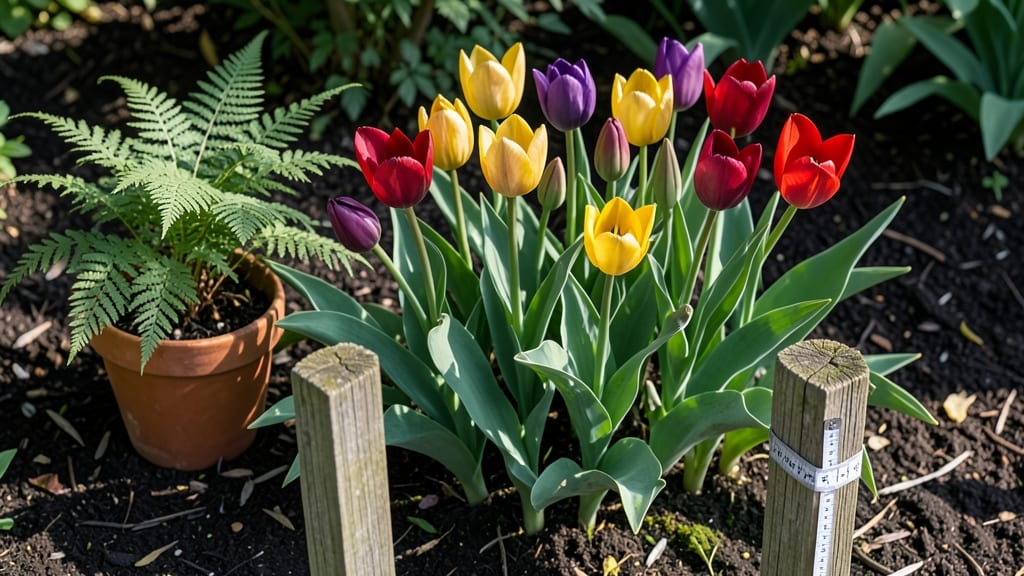
Tulips thrive in full sun or partial shade 🌷 — but getting that balance right is the key to bold blooms and fewer flops.
Struggling to get your tulips to bloom as vibrantly as you’ve seen in garden catalogs? The secret might be hiding in plain sight—your tulips’ light exposure could be making or breaking their performance.
Most varieties need at least 6 hours of sunlight daily, but too much heat or harsh afternoon rays can scorch leaves and dull those show-stopping petals. Meanwhile, too little light means leggy stems and weak blooms.
Below, I’ll break down how to pick the perfect spot, whether your yard leans sun-soaked or shady, and which tulip types handle each condition best.
 Best Window Placement
Ideal sunlight requirements for tulips to maximize flowering
If you’ve ever planted tulip bulbs with high hopes only to watch them produce weak stems or sparse blooms, light exposure is likely the culprit. Tulips thrive when they receive the right balance of sunlight, but too much or too little can dramatically impact their performance.
Understanding their sunlight requirements is the key to unlocking those showstopping blooms you’ve been dreaming of.
Most tulip varieties crave full sun exposure, meaning at least 6 hours of direct sunlight daily. However, not all tulips are created equal—some varieties handle shade better than others, and even the best-loved types can benefit from afternoon shade in scorching climates.
Let’s break down how to give your tulips the perfect light conditions for peak flowering.
Sunlight directly influences everything from stem strength to flower size. Tulips grown in full sun produce taller stems and larger blooms, while those in deep shade may struggle to bloom at all. Even partial shade can reduce flower quality or delay blooming time. The good news? With the right variety and a few adjustments, you can grow stunning tulips even in less-than-ideal light.
For early blooming tulips, like Fosteriana varieties, partial shade can actually help them perform better in hot climates.
These types often bloom before the worst heat arrives, so they benefit from morning sun and afternoon shade. Late bloomers, such as Darwin Hybrids and Parrot Tulips, need full sun to develop their signature bold blooms and sturdy stems.
If your garden receives intense afternoon sun, consider planting shade-loving varieties like Greigii tulips under deciduous trees. Their silver-striped leaves and vibrant blooms thrive in dappled light, making them perfect for understory plantings.
Even in full sun, these varieties will still produce flowers, but their colors may fade faster without some respite from the midday heat.
One common mistake gardeners make is assuming all tulips are the same when it comes to light. Species tulips, for example, often tolerate more shade than their hybrid cousins.
These wild-type tulips, like Tulipa tarda, are hardier and more adaptable, making them excellent choices for rock gardens or woodland edges where light is limited.
To maximize your tulips’ performance, observe your garden’s light patterns throughout the day. If your tulips are in full sun but wilting by midday, they may need afternoon shade to prevent heat stress.
Conversely, if they’re struggling to bloom in partial shade, consider moving them to a sunnier spot or choosing a more shade-tolerant variety next season.
Pro tip: Use mulch around your tulip beds to regulate soil temperature. A 2-3 inch layer of organic mulch helps retain moisture and keeps roots cooler in hot climates, which is especially beneficial for tulips in partial shade.
This small adjustment can make a big difference in flower quality and longevity.
Remember, tulips are perennial plants, meaning they’ll return year after year if given the right conditions. Investing time in placing them in the ideal light now will pay off with vibrant blooms for seasons to come.
Whether you’re a seasoned gardener or just starting, understanding your tulips’ sunlight needs is the first step to creating a showstopping spring display.
How shade affects tulip growth: when and why to plant in partial shade
While most tulips thrive in full sun, partial shade can actually benefit them in certain situations. Urban gardens with limited sunlight or hot climates often require shade to prevent bulb stress. The key is understanding how to adjust planting techniques and soil conditions to compensate for lower light levels.
Tulips planted in partial shade (4-6 hours of sunlight) will generally produce smaller blooms but with longer vase life. This is especially useful in Zone 8-10 where intense afternoon sun can scorch leaves. The trade-off? You might see fewer flowers per bulb, but they’ll last longer once cut.
Here’s where many gardeners go wrong: assuming all shade is equal. Dappled shade from trees is better than deep shade under dense foliage. Tulips need at least 3-4 hours of morning sun to photosynthesize properly, even in shady spots.
Shade Pitfalls for Tulips
Planting tulips in deep shade (<3 hours of light) risks weak stems and poor flowering. Even shade-tolerant varieties like ‘Fosteriana’ need some light to thrive. Avoid these common mistakes:
- Overcrowding bulbs in shady areas (space 4-6 inches apart)
- Using heavy clay soil that stays soggy (tulips hate wet feet)
- Skipping spring mulch in shaded beds (protects roots from temperature swings)
To maximize tulip success in shade, start with well-draining soil mixed with compost (aim for 20% organic matter). In urban gardens, raised beds work wonders—elevate soil 6-12 inches to improve drainage and warmth. Add a slow-release bulb fertilizer (10-10-10) at planting time to offset lower light.
Watering becomes critical in shade. Since shaded soil stays moist longer, reduce frequency but increase depth—aim for 1 inch of water every 10-14 days during active growth. Morning watering prevents fungal issues, which thrive in damp, shady conditions. Mulch with straw or shredded leaves to retain moisture without suffocating bulbs.
For best results, plant shade-loving varieties like ‘Greigii’ or ‘Kaufmanniana’ in partial shade. These types handle lower light better than Darwin Hybrids, which demand full sun. Rotate varieties yearly to prevent soil depletion and give your garden a dynamic look.
Remember: tulips in shade won’t bloom as prolifically, but they’ll reward you with longer-lasting flowers and healthier foliage. The key is balancing light, soil, and water—not forcing them into extreme conditions. With these adjustments, your shade-grown tulips could outperform sun-loving varieties in your specific climate! 🌷