
Companion Plants
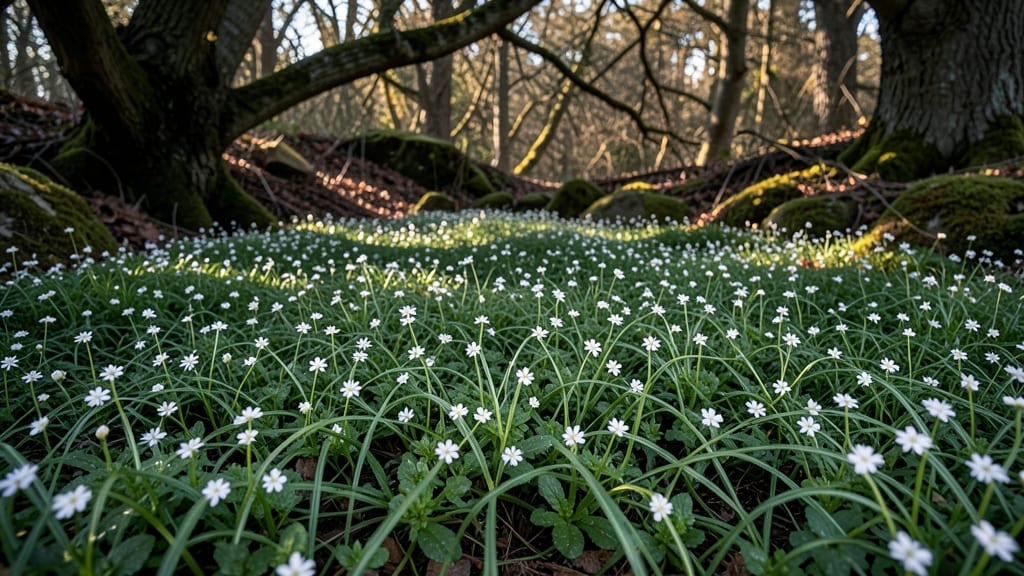
Struggling to keep your shady garden vibrant? These 10 perennial plants thrive in low-light conditions, offering year-round beauty with minimal care—perfect for under trees, north-facing yards, or dense shrubbery.
Hostas for Textured Green Foliage

Want a shade garden that feels lush and intentional without the fuss? Hostas deliver textured green foliage in every shade—from deep blue to chartreuse—while requiring almost no effort. Their broad, sculptural leaves create instant drama, whether planted in clusters or as a sprawling ground cover.
These classic perennials thrive in partial to full shade, making them ideal for spots under trees or along north-facing walls. Choose varieties like 'Blue Angel' for velvety blue leaves or 'Francee' for striking variegation. Hostas are deer-resistant and drought-tolerant once established, and their low-maintenance nature means you’ll spend more time admiring them than tending to them.
Perfect for beginners or busy gardeners, hostas add structure and color to shady areas while demanding little more than consistent moisture and occasional division every few years. 🌱
Hellebores for Winter Blooms

When most gardens are still tucked under snow, helleborus (commonly called Lenten roses) burst into bloom with delicate flowers in white, pink, or purple. These shade-loving perennials defy winter dormancy, offering color when your garden needs it most.
Plant them in partial to full shade with well-draining soil—they tolerate dry conditions once established. Their evergreen foliage provides year-round interest, while blooms last for weeks. Perfect for woodland gardens, borders, or even containers, hellebores thrive in USDA zones 3-9 with minimal care.
Ideal for gardeners who want early-season color or those with late-winter interest, these perennials are a must for any shade garden. 🌷
Astilbes for Feathery Flower Spikes

Transform your shady garden into a whimsical retreat with astilbes, whose feathery flower spikes dance in the breeze like delicate pink, red, or white plumes. These shade-loving stars thrive where others falter—moist, dappled spots under trees or along north-facing borders, adding movement and softness to woodland-inspired spaces.
Plant astilbes in well-draining, consistently moist soil (they hate drought!) and enjoy their summer-long blooms that attract butterflies. Varieties like ‘Fanal’ (deep red) or ‘Deutschland’ (pale pink) reach 1–4 feet tall, making them perfect for mid-border drama or container gardens. Their fern-like foliage stays lush even in deep shade.
Urban gardeners and cottage-style enthusiasts will love how astilbes soften hard edges—pair them with hostas or ferns for a dreamy, layered effect. Their airy texture brings life to forgotten corners. 🌷
Ferns for Lush Green Accents

Want to transform your shady garden into a lush, tropical oasis without the fuss of high-maintenance plants? Ferns are your secret weapon—these ancient foliage plants thrive in low light while delivering textured, feathery fronds that bring depth and movement to any space.
Varieties like maidenhair ferns (with their delicate, lace-like leaves) and ostrich ferns (tall and architectural) create stunning visual contrasts, even in the dimmest corners. Most prefer moist, well-draining soil and partial to full shade, making them ideal for understory planting or containers on patios. For best results, mulch around their roots to retain moisture and mimic their natural woodland habitat.
Perfect for gardeners who love low-maintenance elegance, ferns also pair beautifully with hostas and hellebores for a cohesive, layered shade garden. Their year-round greenery ensures your space stays vibrant even when flowers fade. 💚
Bleeding Heart for Heart-Shaped Flowers

Craving a touch of romance in your shade garden? Bleeding heart (Dicentra spectabilis) delivers with its delicate, heart-shaped blooms in soft pink or white, cascading from arching stems like a fairy-tale waterfall. This spring-blooming perennial thrives where others struggle, making it the ultimate shade garden star.
Plant in partial to full shade with moist, well-draining soil—it rewards you with 3-4 weeks of stunning flowers followed by lush, fern-like foliage that lasts all season. For best results, pair it with hostas or ferns to create a woodland-inspired understory. Deadhead spent blooms to encourage a second flush later in summer.
Ideal for cottage gardens, woodland edges, or as a dramatic focal point, bleeding heart brings whimsy and elegance with minimal effort. Just remember to divide clumps every 3-4 years to keep them vigorous. ✨
Lungwort for Medicinal Beauty

Looking for a shade-loving perennial that’s as useful as it is beautiful? Lungwort (Pulmonaria) combines striking silver-spotted foliage with delicate blue or purple blooms that attract early-season pollinators—plus, it has a history of medicinal use for respiratory health.
This hardy plant thrives in partial to full shade, making it perfect for woodland gardens, understory plantings, or containers in shady spots. Its evergreen leaves provide year-round interest, while spring flowers (often two-toned) add a touch of whimsy. Lungwort spreads slowly via rhizomes, so it’s ideal for ground cover or mixed borders. Just keep soil consistently moist and well-draining for best results.
Heritage gardeners and pollinator enthusiasts will appreciate lungwort’s dual role—it’s both a practical addition to shady beds and a conversation starter with its unique foliage. 💚
Coral Bells for Colorful Foliage

Tired of shade gardens that look flat and monotonous? Coral bells (Heuchera) inject bold color into dim corners with their vibrant foliage in deep purples, silvers, or chartreuse hues that glow under dappled light. Unlike leafy greens, these perennials offer year-round visual impact—even when not in bloom.
Thriving in partial to full shade, coral bells adapt to almost any well-draining soil and require minimal care beyond occasional watering. For extra drama, choose varieties like 'Palace Purple' (rich burgundy) or 'Lime Rickey' (lime-green) that contrast stunningly with hostas or ferns. Many cultivars also produce delicate bell-shaped flowers in spring, adding height and texture to borders or containers.
Perfect for urban gardeners with limited space or those craving low-maintenance color, coral bells bring instant sophistication to shade gardens while demanding almost no attention. Their compact size makes them ideal for edging, rock gardens, or even as striking container plants. 💚
Japanese Painted Fern for Unique Patterns

Tired of plain green foliage in your shade garden? The Japanese painted fern (Athyrium niponicum var. pictum) brings artistic flair with its silver-and-green striped fronds that resemble delicate brushstrokes. This fern thrives where others fade, making it a standout for containers, rock gardens, or mixed borders that need a touch of elegance.
Grow it in partial to full shade with consistently moist, well-draining soil—it’s happiest in USDA zones 4-8. The silver patterns on its leaves intensify in cooler weather, adding seasonal interest. For best results, pair it with hostas or coral bells to create a striking contrast of textures and colors.
Perfect for urban gardeners with limited space or those who love low-maintenance drama, this fern delivers year-round visual intrigue with almost no effort. 🌿
Solomon’s Seal for Arching Stems

Looking for a shade perennial that adds vertical drama without demanding full sun? Solomon’s seal (Polygonatum) delivers with its elegant, arching stems and dangling clusters of bell-shaped flowers in soft white or pale green. Unlike many shade plants, it grows upright yet gracefully, creating a natural curtain effect that’s perfect for woodland gardens or as a living screen.
This low-maintenance perennial thrives in partial to full shade and tolerates a range of soil types, though it prefers moist, well-draining conditions. Its semi-evergreen foliage stays attractive year-round, and the stems produce edible berries (though they’re small and not typically harvested). Varieties like 'Variegatum' add golden stripes for extra visual interest, while 'Pendulum' cascades beautifully over walls or trellises.
Ideal for gardeners who want structure and movement in shady spots, Solomon’s seal pairs beautifully with hostas or ferns. Its deer-resistant nature makes it a practical choice for rural gardens, while its pollinator-friendly flowers add subtle charm. Plant it in groups for a lush, layered effect that feels both wild and refined. 🌿
Sweet Woodruff for Fragrant Ground Cover

Craving a fragrant ground cover that transforms dull shady spots into sensory-rich havens? Sweet woodruff (Galium odoratum) delivers a sweet, hay-like scent when crushed, releasing its signature aroma on warm days. This low-growing perennial spreads gently to form a lush carpet under trees or along shady paths, its delicate star-shaped white flowers adding a touch of whimsy in late spring.
Thriving in partial to full shade, sweet woodruff tolerates dry conditions once established and even suppresses weeds naturally. Plant it in well-draining soil and enjoy its year-round greenery—though it may go dormant in extreme heat. For best results, pair it with hostas or ferns to create a fragrant, layered understory that invites you to linger.
Perfect for urban gardeners, cottage-style beds, or woodland gardens, sweet woodruff is a low-maintenance gem that rewards curiosity with its intoxicating scent. Just avoid overwatering—this shade star prefers its roots on the drier side. 💚