
Shrubs
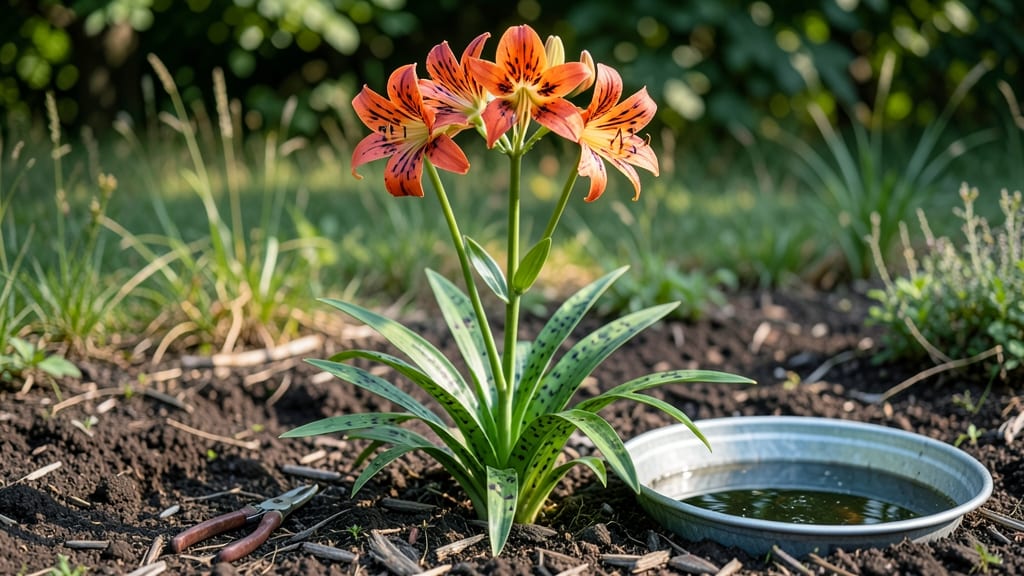
Tiger lilies love full sun but handle partial shade better than most people think. 🌻 I've grown them in everything from blazing southern sun to dappled shade, and they always bounce back with those iconic orange-and-black blooms.
The key is understanding how their light needs shift through the seasons—what works in summer might need adjustment for cooler months.
These dramatic bloomers actually tolerate 4-6 hours of direct sun daily, thriving in morning light with afternoon shade in hot climates. My shade-grown plants produce slightly smaller blooms but stay healthier during summer heat waves.
The secret? Well-draining soil that prevents soggy roots—tiger lilies hate wet feet more than they dislike shade.
You'll notice the difference in bloom size and frequency based on light exposure, but even shade-adapted plants reward you with 3-4 foot stalks of striking flowers. The foliage stays lush and disease-resistant when given proper air circulation, and the scent—spicy and sweet—fills the garden on summer evenings.
Works equally well in garden beds, containers, or as dramatic cut flowers. Whether you're correcting a struggling plant or starting fresh, this guide gives you the confidence to place them perfectly in your space. Let's get those blooms popping!
Light Struggles Explained
Tiger lilies (Lilium lancifolium) are stunning perennials known for their fiery orange blooms and hardy nature—but their light preferences can sometimes leave gardeners puzzled. If your tiger lilies look weak, leggy, or fail to bloom, light exposure is often the culprit.
Let’s break down the science behind why these plants react to sun or shade—and how to fix it.
Tiger lilies love sunlight, but too much intense, unfiltered sun—especially in hot climates—can cause stress and damage. Here’s why:
- Leaf Scorch & Bleaching:
Direct sun exposes leaves to high UV radiation and heat, leading to chlorophyll breakdown. This causes yellowing (chlorosis) or brown, crispy edges—a condition called sunburn. In extreme cases, leaves may bleach or develop necrotic spots.
- Water Stress:
Full sun dries soil faster, forcing roots to work harder to absorb moisture. If the soil doesn’t retain enough water, the plant wilts or enters a survival mode, prioritizing root growth over blooms. This is why tiger lilies in scorching afternoons may look leggy and sparse.
- Heat Shock:
Temperatures above 90°F (32°C) can disrupt photosynthesis. The plant may drop buds or produce smaller, deformed flowers as a stress response. In desert climates, afternoon shade is a must to prevent this.
💡 Pro Tip: If your tiger lilies are in a hot, dry climate, mimic their native woodland edge by providing morning sun + afternoon shade (e.g., under a deciduous tree or lattice with sheer fabric). Mulching with 2–3 inches of organic matter (like straw or wood chips) helps retain moisture and regulate soil temp.
While tiger lilies tolerate partial shade, deep or dense shade starves them of the energy they need to thrive. Here’s the science:
- Weak Stem & Leggy Growth:
Plants stretch toward light (etiolation) when deprived of sunlight, leading to thin, weak stems that flop over. This happens because the plant allocates energy to reaching upward instead of developing strong roots or blooms.
- Poor Flowering:
Lilies need 6–8 hours of sunlight daily to produce flowers. In low light, they may bolt fewer buds or produce small, pale blooms. This is because flowering is triggered by photosynthesis efficiency—less light = less stored energy.
- Fungal Vulnerability:
Shady, humid conditions create the perfect breeding ground for Botrytis blight (gray mold) and rust. Poor air circulation in dense shade traps moisture, weakening the plant’s defenses.
💡 Pro Tip: If your tiger lilies are in deep shade (e.g., under evergreens), try thinning nearby foliage or relocating them to a bright, indirect spot. A south- or west-facing border with dappled shade works best in most regions.
Tiger lilies hate abrupt shifts in light exposure. Whether you’ve moved them or a tree was recently trimmed, here’s what happens:
- Transplant Shock:
Plants acclimated to shade may burn if suddenly exposed to full sun, while sun-loving lilies can wilt in deep shade. This causes oxidative stress, where cells produce harmful free radicals faster than the plant can repair them.
- Delayed Recovery:
Even if the plant survives, it may take 2–4 weeks to adjust. During this time, you might see yellowing leaves, stunted growth, or dropped buds as the plant reallocates resources.
- Root Disruption:
Moving lilies disturbs their rhizomes (underground stems). If not given time to reestablish roots in the right light, they’ll struggle to absorb nutrients, leading to poor vigor.
💡 Pro Tip: If relocating tiger lilies, harden them off first:
- Gradually increase sun exposure over 7–10 days (e.g., move them to a shadier spot near their new location).
- Water deeply 2 days before and after moving to reduce stress.
- Avoid transplanting during heatwaves or cold snaps—aim for spring or early fall.
Understanding these light-related stresses helps you diagnose and fix issues before they become permanent. Next, we’ll cover how to optimize your tiger lily’s light conditions for maximum blooms and health!
Quick Fixes for Tiger Lilies
Tiger lilies (Lilium lancifolium) are stunning but can struggle when their light needs aren’t met. Whether they’re wilting in too much sun or languishing in shade, these practical solutions will help them bounce back—and keep them thriving long-term.
If your tiger lilies are crispy, bleached, or struggling to open, they’re likely sunburned or dehydrated. Here’s how to revive them:
🔥 Immediate Relief for Sun Stress
- Move them to partial shade (morning sun + afternoon shade is ideal).
- Water deeply at the base (1–2 inches per week) to prevent root shock from heat.
- Mulch with organic matter (like compost or straw) to retain moisture and cool roots.
🌱 Long-Term Sun Protection
- Plant near taller shrubs or trees to filter harsh afternoon rays while still allowing morning light.
- Use shade cloth (30–50%) if relocating isn’t an option—secure it above the plants to avoid blocking airflow.
- Avoid pruning back foliage until late summer; leaves help shield the bulb from direct heat.
✨ Pro Tip: If bulbs are severely damaged, dig them up, trim dead roots, and replant in a shadier spot next spring.
Yellowing leaves, weak stems, or no blooms? Your tiger lilies are crying out for more light. Try these fixes:
💡 Gradual Light Adjustments
- Relocate to a sunnier spot gradually (over 1–2 weeks) to avoid shocking the plant.
- Thin nearby overgrowth (weeds, dense shrubs) to let more light reach the base.
- Consider a raised bed if your yard is consistently shady—warmer soil helps bulbs thrive.
🌱 Artificial Light Hacks (For Indoor or Dark Corners)
- Place under grow lights (12–14 hours/day) if outdoors isn’t an option.
- Rotate pots weekly to ensure even light exposure (prevents lopsided growth).
💡 Pro Tip: If blooms are sparse, fertilize lightly with a balanced bulb food (like 10-10-10) in early spring to encourage stronger growth.
- Test your yard’s light levels with a light meter or observe where other plants thrive.
- Choose the right variety—some tiger lilies (like ‘Tiger Lilies’) tolerate more shade than others.
- Plant bulbs in spring (after last frost) for a head start in establishing roots before summer heat.
- Monitor soil moisture—consistent watering (not soggy soil) is key for both sun and shade conditions.
🔄 Remember: Tiger lilies are adaptable—experiment with small changes and observe their response. With the right balance, they’ll reward you with bold, fiery blooms year after year!
Frequently asked questions
Can tiger lilies survive in full shade?
They can tolerate some shade, but full shade will result in weak stems, sparse blooms, and potential fungal issues. Tiger lilies need at least 4-6 hours of sunlight daily to thrive—especially for strong growth and vibrant flowers. If your yard is very shady, try a south-facing spot or supplement with grow lights.
Why do my tiger lilies look scorched in full sun?
Leaf scorch happens when intense afternoon sun dries out the leaves faster than roots can supply water. Move them to morning sun with afternoon shade (like under a deciduous tree) and mulch heavily to retain moisture. Avoid pruning foliage until late summer—leaves protect bulbs from heat.
How do I know if my tiger lilies need more light?
Watch for these signs: leggy stems, fewer blooms, or pale leaves. If your plants are stretching toward light or producing small, weak flowers, gradually move them to a sunnier spot over 1-2 weeks to avoid shocking them. Test your yard’s light with a simple shadow test at noon.
Can I grow tiger lilies in containers?
Yes! Use a large pot (12+ inches deep) with well-draining soil and place it where it gets 6+ hours of sun. Rotate the pot weekly for even growth, and water when the top 1-2 inches of soil feel dry. Container-grown lilies may need extra fertilizer (like 10-10-10 bulb food) for strong blooms.
What’s the best time to transplant tiger lilies?
Spring or early fall is ideal—avoid summer heatwaves or winter cold snaps. Harden them off first by gradually increasing sun exposure over 7-10 days before moving. Water deeply 2 days before and after transplanting to reduce stress, and mulch to protect roots during the adjustment period.