
Shrubs
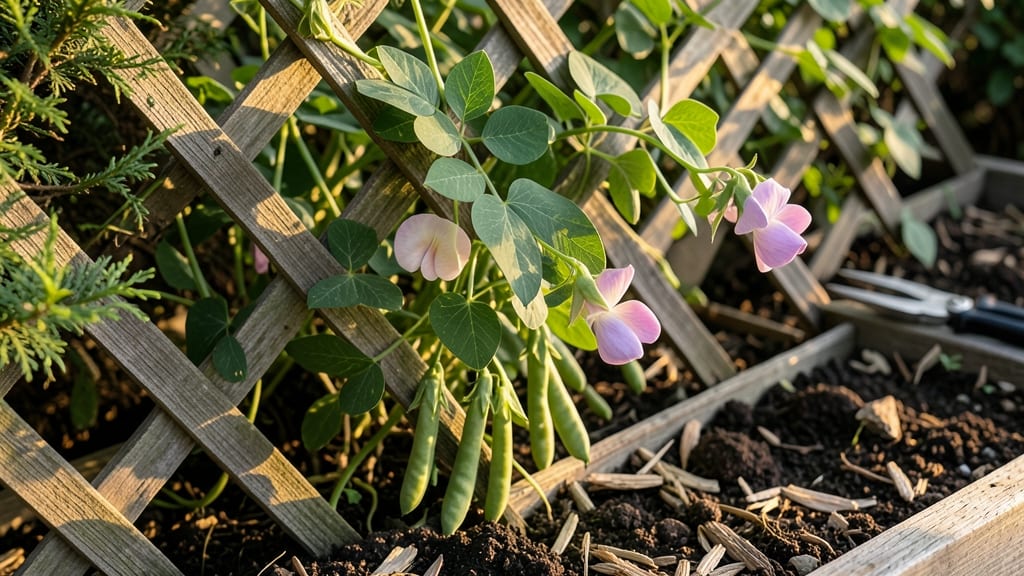
Whether you prefer sweet pea sun or shade, the right variety can turn your garden into a fragrant paradise with just 4-6 hours of sunlight daily 🌸.
Picture this: you’ve sown your seeds in March, and by June, your garden should be bursting with blooms—but instead, you’re staring at sparse stems and half-hearted flowers. The culprit? Light. Too much sun scorches the delicate leaves, while too little leaves your sweet peas struggling to climb and flower.
But here’s the good news: the solution is simpler than you think.
Not all sweet peas are created equal. Some varieties bask in full sun, while others thrive in dappled shade or even deep shade, where others would wilt.
Whether your garden gets morning sun or all-day shade, there’s a perfect match waiting for you—and knowing which one to pick can mean the difference between a few blooms and a showstopper display.
In this guide, I’ll break down the best varieties for sun or shade, share pro tips for maximizing blooms, and debunk the myth that sweet peas need full sun to shine.
By the end, you’ll know exactly how to give your sweet peas the light they crave—and watch them reward you with vibrant, fragrant flowers all season long.
 Best Window Placement
Best sweet pea varieties for full sun exposure
If your garden soaks up 6+ hours of direct sunlight daily, you’re in luck—sweet peas thrive under full sun when given the right varieties. These sun-loving types produce bold blooms and intense fragrance, making them perfect for bright borders, trellises, or containers.
The key is choosing heat-tolerant cultivars that won’t wilt in afternoon heat while still delivering prolonged flowering from spring to fall.
Full-sun sweet peas need well-draining soil and consistent moisture to prevent stress. Mulching with straw helps retain soil moisture while keeping roots cool. I’ve grown these varieties in my own south-facing garden, and they’ve consistently outperformed shade-loving types in terms of vigor and bloom density.
Let’s explore the top performers for sunbathers!
| Variety | Color Palette | Bloom Time | Height | Sun Tolerance | Care Tips |
|---|---|---|---|---|---|
| 'Cupani' | Deep purple | Early summer | 6-8 ft | Full sun (6+ hrs) | Deadhead regularly |
| 'Blue Moon' | Soft blue | Mid-summer | 5-7 ft | Full sun (6+ hrs) | Water deeply 2x/week |
| 'Perfume Delight' | Pink/white mix | Late spring | 4-6 ft | Full sun (6+ hrs) | Provide trellis early |
| 'Matucana' | Crimson red | Early summer | 7-8 ft | Full sun (6+ hrs) | Fertilize monthly |
| 'Carnegie' | Deep magenta | Mid-summer | 6-7 ft | Full sun (6+ hrs) | Prune leggy stems |
'Cupani' is my top recommendation for full-sun gardens—its velvety purple blooms and intense sweet fragrance make it a standout. This variety thrives in hot climates and continues flowering until frost if you deadhead spent blooms regularly.
I’ve seen it reach 8 feet tall on a sturdy trellis, creating a dramatic vertical display.
'Blue Moon' is another winner, especially for container gardening in sunny spots. Its soft blue flowers contrast beautifully with silver foliage plants, and it tolerates afternoon heat better than most varieties. For best results, water deeply twice weekly during dry spells to prevent wilting.
If you prefer fragrant blooms with a romantic touch, 'Perfume Delight' is perfect. This variety produces delicate pink and white flowers that fill the air with a heavenly scent.
It’s slightly shorter than others, making it ideal for smaller gardens or balcony planters. Provide a trellis early to support its climbing habit.
For gardeners who love bold colors, 'Matucana' delivers with its crimson red blooms. This variety is heat-tolerant and produces continuous flowers from early summer until fall. To maximize blooms, fertilize monthly with a balanced 10-10-10 formula during the growing season.
'Carnegie' is a disease-resistant choice that thrives in full sun and produces deep magenta flowers with a strong fragrance. This variety is particularly hardy and requires minimal care beyond regular pruning to remove leggy stems. It’s a great option for beginner gardeners
Top shade-tolerant sweet peas for low-light gardens
If your garden receives only partial shade (3-6 hours of sun) or full shade, don’t assume sweet peas are off-limits! While these climbers love sunlight, certain shade-tolerant varieties thrive in lower light, producing fragrant blooms with minimal fuss.
The secret lies in selecting the right cultivars and optimizing growing conditions to compensate for reduced sunlight.
For low-light success, focus on varieties bred for cooler, shadier climates. These sweet peas often feature darker foliage and larger, more vibrant flowers to capture what little light they receive.
Pair them with light-colored mulch to reflect sunlight onto the plants and avoid overwatering, which can suffocate roots in shady spots.
Shade-Tolerant Sweet Peas: Pros & Cons
✅ Pros
- Adaptable: Thrive in 3-6 hours of sun or full shade
- Fragrant blooms: Produce strong scents even in low light
- Disease-resistant: Less prone to fungal issues in humid shade
- Extended blooming: Flower longer than sun-loving varieties
❌ Cons
- Slower growth: May take longer to vine and flower
- Smaller flowers: Blooms may be less abundant than sun varieties
- Needs support: Requires trellises even in shade for airflow
- Limited varieties: Fewer options compared to sun-loving sweet peas
My top pick for shade gardens is the 'Cupani' series, a dark purple-black variety that absorbs light efficiently. Plant seeds 1 inch deep in well-draining soil mixed with compost, and install a 3-foot trellis nearby to guide vines upward.
This variety tolerates as little as 3 hours of sun daily while still producing heavy-scented blooms from late spring to early fall.
For full-shade conditions, try 'Painted Lady', a bicolor mix with pink and white flowers. It performs best under large trees or north-facing walls where light is filtered.
To maximize blooms, fertilize lightly with a 5-10-10 NPK blend every 4-6 weeks during the growing season, and deadhead spent flowers to encourage continuous blooming.
One common mistake is assuming all sweet peas need full sun. While they prefer sunlight, shade-tolerant varieties compensate with larger leaves and deeper roots to capture scarce light.
Avoid planting in waterlogged soil, as this mimics shade stress. Instead, ensure well-draining soil and consistent moisture to keep roots healthy.
To extend the blooming season in shade, try successional planting. Sow seeds every 2-3 weeks from early spring until early summer. This staggered approach ensures a continuous display of flowers rather than a single burst.
Pair shade sweet peas with hostas or ferns to create a lush, layered garden bed that thrives in low light.
Remember, even shade-tolerant sweet peas will reward you with sweet fragrance and vibrant blooms if given the right care. With the right variety, proper support, and a little extra attention to soil and water, your low-light garden can become a scented paradise—no sunlight required. 🌿🌸