
Shrubs
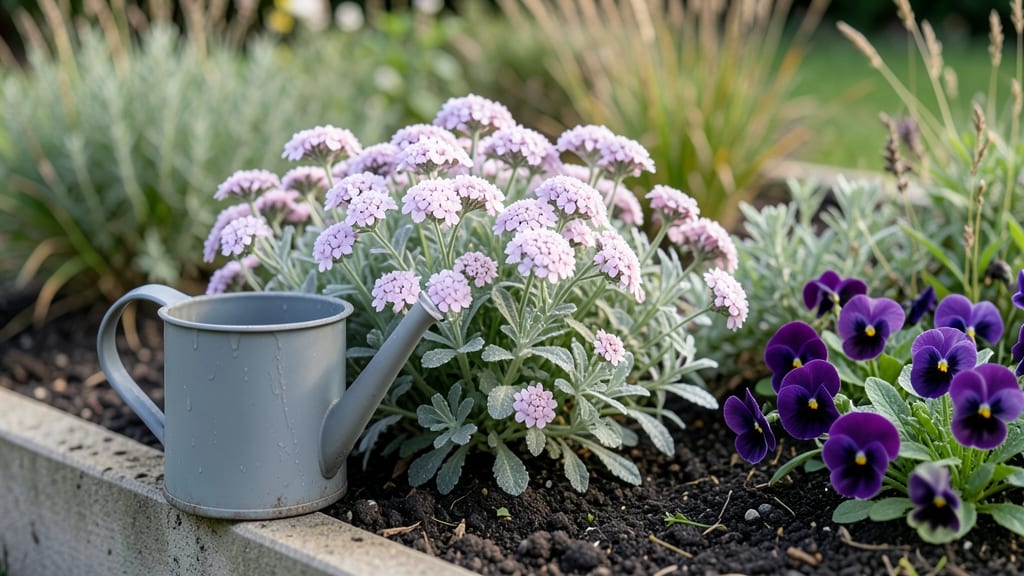
Sweet Alyssum thrives in sun or shade with just 4-6 hours of light daily, making it one of the most versatile fragrant flowers for gardeners who want effortless beauty.
There’s nothing like the honey-scented blooms of Sweet Alyssum 🌸 cascading over borders or spilling from containers, but its light needs can be confusing. Too much sun and it bolts; too little shade and it flops. The secret? Finding that sweet spot between bright mornings and afternoon shade.
Whether you’re planting in Zone 6a or a container on your patio, I’ll show you how to position Sweet Alyssum for maximum fragrance and blooms—plus how to fix common issues like leggy growth or sparse flowers.
You’ll leave here knowing exactly where to place your plants for a fragrant, low-maintenance display that lasts from spring through fall.
 Best Window Placement
Sweet alyssum sun vs shade requirements: where it thrives best
Sweet alyssum (Lobularia maritima) is one of those versatile annuals that can adapt to different light conditions, but its performance and fragrance depend heavily on where you plant it. While it loves bright, sunny spots, it can also tolerate partial shade, especially in hot climates.
The key is understanding how much light each variety needs and how to spot signs of stress when conditions aren’t ideal.
Most sweet alyssum varieties, like the classic 'Snowdrift' and 'Esther', thrive with 4-6 hours of direct sunlight daily. However, 'Tiny Tuffet'—a compact cultivar—can handle light shade, making it perfect for understory plantings or container gardens near north-facing walls.
Let’s break down the sun vs. shade requirements so you can place your sweet alyssum for maximum fragrance and blooms.
| Variety | Ideal Sunlight | Shade Tolerance | Signs of Stress |
|---|---|---|---|
| 'Snowdrift' | Full sun (6+ hours) | Partial shade (3-4 hours) | Leggy stems, sparse blooms |
| 'Esther' | Full sun to partial shade (4-6 hours) | Dappled shade (2-3 hours) | Pale flowers, slow growth |
| 'Tiny Tuffet' | Partial shade to full sun (3-6 hours) | Light shade (1-2 hours) | Stunted growth, weak fragrance |
If you’re growing sweet alyssum in full sun, expect vibrant blooms and strong fragrance, especially in cool climates. However, in hot, dry regions, too much direct sunlight can cause heat stress, leading to wilting or leggy growth.
To prevent this, provide afternoon shade or use mulch to keep roots cool. In partial shade, blooms may be less abundant, but the plants will stay compact and healthy, especially in woodland gardens or under trees.
Watch for yellowing leaves or stretched stems—these are clear signs of light stress. If your sweet alyssum is too leggy, it’s likely not getting enough light. On the flip side, pale flowers or slow growth in shade suggest it needs more bright, indirect light.
The sweet spot for most varieties is morning sun and afternoon shade, which balances bloom production and plant health.
For container gardens, sweet alyssum thrives in sunny spots but can also adapt to partial shade, especially if the pot is placed near a south-facing window. Just ensure the soil stays well-draining to prevent root rot, which is more likely in shady, damp conditions.
In shade gardens, pair it with hostas or ferns to create a low-light-friendly display that still pops with color and fragrance.
One pro tip for maximizing fragrance: Pinch back leggy stems in early spring to encourage bushier growth and more blooms. This works especially well for varieties like 'Snowdrift', which can become overly tall if deprived of light.
Regular deadheading also helps maintain continuous flowering, whether your plants are basking in full sun or light shade.
In hot climates, sweet alyssum benefits from dappled shade during peak afternoon heat. This mimics its natural coastal habitat, where it grows in sandy, well-drained soils with filtered sunlight.
If you’re in Zone 8 or higher, consider planting it near a trellis or under a pergola to provide variable shade throughout the day. This approach keeps the plant cool and fragrant without sacrificing too many blooms.
For beginner gardeners, sweet alyssum is a low-maintenance choice, but getting the light right is crucial. Start by observing your garden’s sunlight patterns—use a sunlight tracker app or simply mark areas with morning vs. afternoon sun.
Sweet alyssum’s adaptability makes it a great filler plant in border gardens, rockeries, or hanging baskets, but its performance hinges on light. With the right placement, you’ll enjoy months of sweet-smelling blooms and a neat, tidy appearance all season long.
Remember, sweet alyssum isn’t just about looks—it’s about fragrance and texture. Whether you choose full sun for bold blooms or partial shade for a lush, low-growing carpet, this plant delivers year after year with minimal fuss.
Experiment with different varieties in sunny and shady spots to see which thrives best in your unique garden conditions.
How to grow sweet alyssum in containers and borders for maximum fragrance
Sweet alyssum isn’t just a pretty face—its delicate clusters of tiny flowers release a heavenly honey-like fragrance that transforms any garden space into a fragrant retreat. Whether you're planting in containers or border edges, this versatile annual thrives with the right care.
The key to maximizing that sweet scent lies in understanding its light needs, soil preferences, and companion plant pairings.
Unlike many flowers, sweet alyssum adapts well to both sun-drenched spots and shady corners, making it perfect for urban balconies or woodland garden edges. However, its fragrance peaks when grown in ideal conditions.
Let’s dive into the practical steps to create a fragrant oasis that lasts from spring through fall.
🌸 Fragrance Optimization Checklist
- 🌱 Sun or Shade: Place in 4-6 hours of sun or dappled shade for best fragrance.
- 💧 Well-Draining Soil: Mix compost with sandy loam to prevent root rot.
- 🌿 Companion Plants: Pair with lavender or calendula to enhance fragrance.
- ✂️ Deadheading: Remove spent blooms weekly to encourage continuous flowering.
- 🌡️ Seasonal Care: Use mulch in summer to retain moisture and cool roots.
For containers, choose pots with drainage holes and fill them with a lightweight potting mix blended with perlite. Sweet alyssum’s shallow roots thrive in shallow containers, so opt for widths of at least 6 inches.
In borders, space plants 6-8 inches apart to allow air circulation and prevent fungal issues.
When planting in shady spots, opt for varieties like 'Snowdrift' or 'Esther,' which tolerate lower light better than 'Tiny Tuffet.' In full sun, these varieties produce brighter blooms and a more intense fragrance.
To extend the blooming season, fertilize lightly with a balanced 5-10-5 NPK formula every 4-6 weeks during the growing season.
Companion planting is a game-changer for fragrance. Pair sweet alyssum with lavender, thyme, or marigolds to create a sensory garden experience. These plants not only complement its sweet scent but also deter pests like aphids, which can weaken sweet alyssum’s delicate stems.
To keep your sweet alyssum blooming all season, deadhead regularly and avoid overwatering. In containers, water when the top inch of soil feels dry, while in borders, a drip irrigation system can maintain consistent moisture without over-saturating the roots.
With these tips, your garden will be a fragrant haven from spring to frost.