
Plants
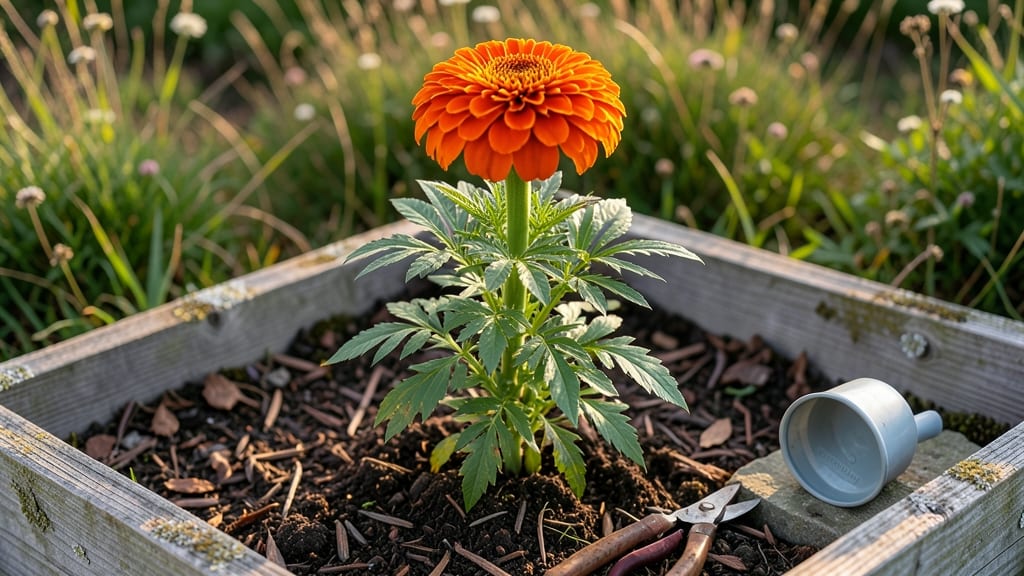
Wondering if marigolds like sun or the shade, the answer is clear: these hardy plants adore full sun, needing 6 to 8 hours of direct light daily to burst into bold blooms and ward off pests.
Struggling to keep your 🌼 marigolds thriving? These vibrant flowers aren’t just low-maintenance—they’re sun-hungry powerhouses that reward full light with bold blooms and pest-repelling magic.
Too little sun, and you’ll end up with leggy stems and sparse flowers. Too much shade, and they’ll barely bloom at all. The good news? With the right placement, even urban gardeners in Zone 6a can grow marigolds that shine.
In this guide, I’ll break down exactly how much sun marigolds need, how to spot light deprivation, and the best varieties for partial shade—so you can keep your garden bursting with color all season.
 Best Window Placement
How much sun Do marigolds need for optimal growth and blooming?
If you're growing marigolds, you've probably wondered: do marigolds like sun or shade? The answer is clear—marigolds are sun worshippers that thrive in bright, direct light. These cheerful flowers need 6 to 8 hours of full sun daily to produce their signature vibrant blooms and maintain strong, healthy stems.
Without enough sunlight, they'll stretch awkwardly and produce fewer flowers, leaving your garden looking sparse.
Marigolds belong to the Asteraceae family, and like many sun-loving plants, they rely on sunlight for photosynthesis to fuel their growth and blooming. The more sun they get, the more pigment-rich flowers they'll produce, from fiery oranges to deep yellows.
Even African marigolds and French marigolds—two popular varieties—demand full sun to reach their full potential. Without it, their growth slows, and their blooms become lackluster.
⚠️ SUMMARY TABLE: MARIGOLD SUN REQUIREMENTS
| Factor | Ideal Condition | Notes |
|---|---|---|
| Daily Sunlight | 6-8 hours | Full, direct sunlight for peak blooms |
| Light Intensity | High (60%+ sunlight) | Brightest light yields deepest colors |
| Shade Tolerance | Partial shade (3-4 hrs) | Reduces blooms; leggy growth risk |
| Best Location | South-facing beds | Maximizes morning/afternoon sun |
| Seasonal Adjustment | More sun in summer | Use shade cloth if temps exceed 90°F |
While marigolds prefer full sun, they can tolerate partial shade—especially in hot climates where afternoon sun can scorch their leaves. However, this comes with trade-offs: fewer blooms, weaker stems, and a higher risk of powdery mildew due to increased humidity in shaded conditions.
If you're growing marigolds in containers, place them where they'll receive the most sunlight possible, like on a sunny patio or balcony with southern exposure.
Light intensity matters just as much as duration. Direct sunlight (especially morning sun) helps marigolds develop thick, disease-resistant foliage and vibrant blooms. In contrast, dappled or filtered light leads to elongated stems and pale flowers.
For example, if your garden has tree shade, consider planting marigolds near the edge of the canopy where they can still get a few hours of direct light each day.
Seasonal adjustments are key, too. In spring and fall, marigolds can handle slightly less sun as temperatures are cooler. But during summer's peak heat, they'll need their full 6-8 hours to prevent stress.
If your area gets intense afternoon sun, provide light afternoon shade (like with a sheer cloth) to protect them without cutting off all light. This balance keeps them blooming all season long.
For container gardeners, positioning is everything. A south-facing window or balcony gets the most light, but even east or west-facing spots can work if they receive at least 6 hours of sun.
Avoid north-facing locations—they simply don’t provide enough light for marigolds to thrive. If you're unsure about your spot, use a sunlight meter or observe how long sunlight hits your containers throughout the day.
One common mistake is assuming all shade is equal. Light shade (like under a lattice) is better than deep shade (like under a dense tree). Marigolds can stretch toward light sources, leading to leggy, weak plants that flop over.
To prevent this, rotate containers occasionally so all sides get even light exposure. This simple trick keeps your marigolds compact and bushy, with plenty of blooms.
If you're growing marigolds for pest control—they’re famous for repelling nematodes and aphids—they need full sun to produce the natural compounds that deter pests. Shaded marigolds are less effective at pest control and may not perform as well in your garden ecosystem.
Think of sunlight as the fuel that powers their protective properties.
For the best results, combine full sun with well-draining soil and regular watering (about 1 inch per week). When these conditions align, your marigolds will reward you with nonstop blooms from summer through fall, adding color and life to your garden.
So if you're asking, "Do marigolds like sun or shade?"—the answer is clear: sun is their superpower! ☀️🌼
Signs your marigolds aren’t getting enough sun (and how to fix it)
If your marigolds are looking more like sad stalks than vibrant bloomers, light deprivation might be the culprit.
These cheerful flowers thrive under full sun exposure, and when they don’t get enough, they send clear signals. Leggy stems, sparse blooms, and pale foliage are all red flags that your marigolds are begging for more sunlight. The good news?
Adjusting their placement or care can bring them back to their sunny best.
Marigolds need 6-8 hours of direct sunlight daily to produce their signature bright blooms and maintain sturdy growth. Without enough light, they’ll stretch toward any available sun, creating weak stems that flop over. Even worse, their flowers may become small and sparse, or fail to open at all.
If your marigolds are struggling, don’t panic—simple fixes like moving them to a sunnier spot or adjusting companion plants can make a world of difference.
⚠️ callout warning
Marigolds are sun worshippers, not shade lovers. Even partial shade (less than 4 hours of sun) can stunt growth and reduce blooms by 50% or more. If your garden only offers filtered light, opt for dwarf varieties or container placements near windowsills.
💡 Pro Tip: Test your garden’s sunlight with a sunlight map—mark areas that get full sun (6+ hours) in morning or afternoon for best results.
One of the first signs your marigolds need more sun is excessive stretching. When light is scarce, plants elongate their stems in search of sunlight, creating weak, floppy growth. This not only makes them look unkempt but also increases the risk of stem breakage in wind or rain.
To fix this, move your marigolds to a sunnier location immediately, like a south-facing bed or a container near a sunny window.
Another clear indicator is fewer blooms or blooms that refuse to open. Marigolds need ample sunlight to trigger flowering hormones, so insufficient light leads to bud drop or tiny, underwhelming blooms. If you notice this, try pruning leggy stems to encourage bushier growth and redirect energy to new blooms.
For container gardeners, consider reflective surfaces like white gravel or mirrors to bounce extra light onto your plants.
For urban gardeners with limited space, container placement is key. Place pots on rooftops, balconies, or decks where they’ll get unobstructed sun. If your balcony faces north, rotate containers daily to ensure even light exposure. Companion planting also helps—avoid shading marigolds with tall plants like sunflowers or corn.
Instead, pair them with low-growing herbs like basil or thyme to keep them in the spotlight.
If moving marigolds isn’t an option, try shade-adaptation techniques like using light-colored containers to reflect sunlight or adding a transparent cloche to magnify light. For partial shade gardens, choose French marigold varieties, which tolerate slightly less sun than their African cousins.
Just remember: no matter the variety, more sun always means more blooms!