
Orchid Care
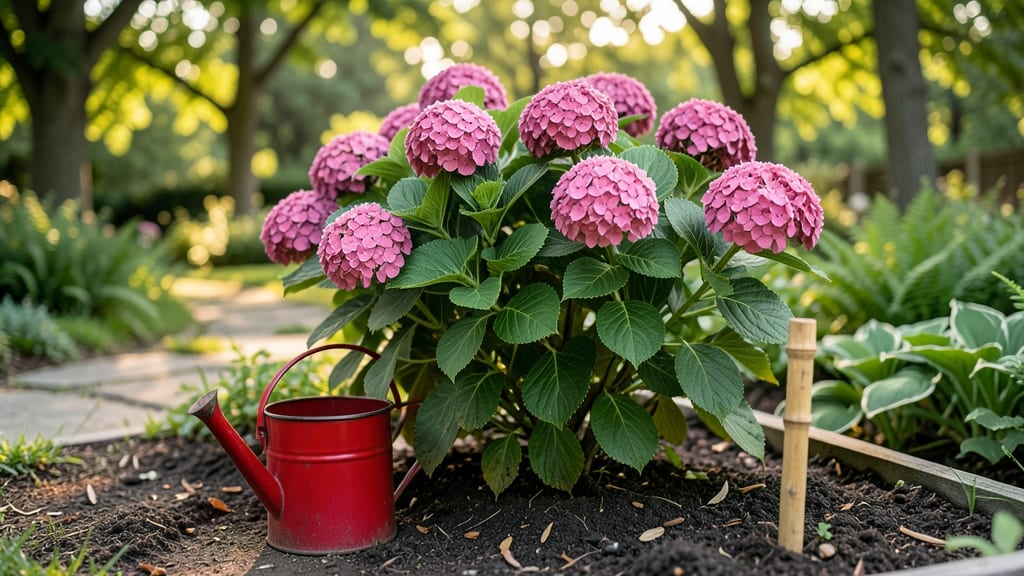
To grow a thriving Summer Crush Hydrangea 🌸, you’ll need to balance sun and shade just right—or risk faded blooms or stunted growth.
Picture this: your Summer Crush hydrangea’s deep purple blooms wilt by midday, or its leaves turn crispy under the hot afternoon sun. That’s not just bad luck—it’s a classic sign of sunlight stress.
The secret? Morning sun paired with afternoon shade, but how you achieve that depends on your yard’s layout and your local climate.
This adaptable shrub thrives in partial shade, but it’s not one-size-fits-all. Too much sun in Zone 6a? The leaves scorch. Too little light? The blooms shrink. I’ll show you how to read your plant’s signals, tweak its spot, and keep those showstopping flowers vibrant from spring to fall.
You’ll learn the 3 key tricks to transition your hydrangea between sun and shade without shocking it, plus how to fix common issues like leaf burn or poor blooming. Let’s get your Summer Crush looking its best—no guesswork, just lush results.

Summer Crush hydrangeas in sun: how much light is too much?
The Summer Crush hydrangea thrives on morning sunlight but wilts under hot afternoon rays. This partial shade lover needs a delicate balance—too much sun causes leaf scorch and faded blooms, while too little shade stunts its growth.
Let’s break down the perfect light conditions to keep your hydrangea blooming vibrantly all summer.
In USDA Zones 5-9, where most gardeners grow Summer Crush, the ideal setup is 4-6 hours of morning sun with afternoon shade. This mimics its natural habitat in wooded understories. However, regional climate plays a huge role—humid Southern gardens need more shade than dry Western landscapes.
Here’s the key: Morning sun (6 AM–12 PM) fuels photosynthesis, while afternoon shade prevents heat stress. If you live in Zone 9 or hotter, even morning sun can be too intense—opt for dappled shade instead. Let’s compare how different zones handle sunlight.
Spotting sun stress early saves your Summer Crush. Watch for crispy leaf edges (a classic sign of too much sun) or wilting by midday. Faded blooms?
That’s another red flag—your plant is struggling to photosynthesize under harsh light. If you notice these, move your hydrangea to a shadier spot immediately.
For container-grown Summer Crush, flexibility is key. Rotate pots every few weeks to ensure even light exposure. In hot climates, place containers under patio umbrellas or pergolas to filter sunlight. Remember: afternoon shade is non-negotiable in Zones 8-10.
Mulching with 3 inches of organic mulch (like shredded bark) helps regulate soil temperature, reducing heat stress. Pair this with consistent morning watering (1 inch per week) to keep roots cool. Overwatering in full sun? That’s a recipe for root rot—always check soil moisture before watering.
If your Summer Crush is already struggling, don’t despair. Gradually acclimate it to more shade by moving it 1-2 feet closer to a shaded area weekly. Avoid sudden changes—hydrangeas hate shock! Prune back any sun-damaged leaves to encourage new growth in the cooler afternoon.
Pro tip: East-facing gardens are perfect for Summer Crush because they provide gentle morning light without harsh afternoon heat. If your yard only gets west-facing sun, consider planting near a tall evergreen tree or installing a lattice with climbing vines for natural shade.
Finally, remember that hydrangea blooms are sensitive to light changes. If you’re transitioning a plant from full sun to shade, expect smaller blooms the first year as it adjusts. Patience pays off—your Summer Crush will reward you with bold, vibrant blooms when you get the light balance right. 🌸
Shade solutions for Summer Crush hydrangeas: the best partial shade strategies
The Summer Crush hydrangea thrives in partial shade, but not all shade is created equal. This variety loves dappled sunlight—think filtered light through tree canopies or morning sun with afternoon shade.
Without the right balance, your plant may struggle with weak stems or sparse blooms. Let’s break down how to create the perfect shade conditions for vibrant, healthy growth.
First, understand the difference between filtered shade and deep shade. Filtered shade allows indirect sunlight to reach your hydrangea, mimicking its natural understory habitat. Deep shade, however, blocks too much light, leading to leggy growth and fewer flowers.
Aim for a spot where your plant gets 4-6 hours of morning sun and the rest of the day in shade.
If your garden lacks natural shade, shade cloths are a game-changer. Use a 30-50% shade cloth to filter sunlight while allowing airflow. Hang it above your hydrangea in late spring to protect it from intense afternoon heat.
For a natural look, plant tall trees like maples or oaks nearby—their leafy canopies create ideal dappled light conditions.
⚠️ Common Mistake: Too Much Shade
Deep, unfiltered shade starves your Summer Crush hydrangea of light, causing stunted growth and fewer blooms. Avoid planting under dense evergreens or in north-facing walls without supplemental light. Even artificial shade (like thick awnings) can block too much sunlight—opt for partial coverage instead.
Adjust your watering routine when your hydrangea is in shade. Shade-grown plants dry out more slowly, so reduce frequency to every 5-7 days unless the soil feels bone-dry. Always water at the base of the plant to avoid wetting leaves, which can lead to fungal diseases in humid shade conditions.
A 3-inch layer of mulch will help retain moisture and regulate soil temperature.
Pruning plays a crucial role in keeping shade-grown hydrangeas healthy. In early spring, remove dead or crossing branches to improve airflow. Avoid heavy pruning in late summer—this can stress your plant and reduce next year’s flower production.
If your hydrangea looks overcrowded, thin out some stems to encourage stronger blooms and better light penetration to the center.
Finally, monitor your hydrangea’s foliage color and growth rate to gauge its shade success. Dark green leaves with rich blooms mean you’ve nailed the balance. If leaves turn yellow or pale, it’s getting too much shade.
Conversely, brown edges signal too much sun. With these strategies, your Summer Crush will flourish in its perfect shade haven.