
Shrubs
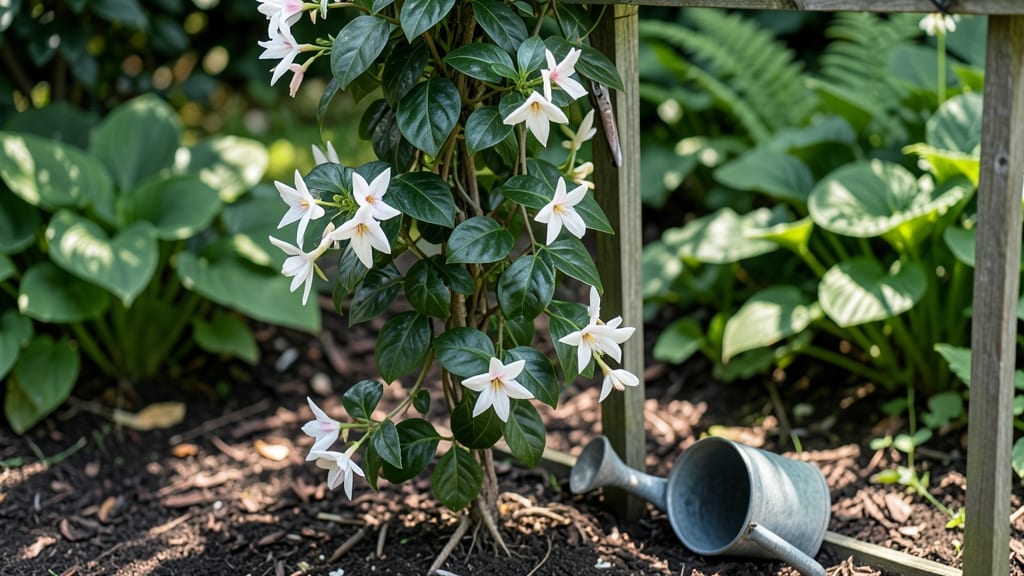
Growing star jasmine 🌸 in shade doesn’t mean giving up on its famous fragrance—it just means pruning smarter to coax more blooms from limited light.
Picture this: your shade-loving vine struggling to produce flowers, or worse, dropping leaves when it should be thriving. The fix isn’t more sun—it’s a targeted pruning approach that keeps your star jasmine lush, fragrant, and full of blooms year-round, even in shady spots.
Most gardeners assume shade means fewer flowers, but with the right techniques, you can actually boost fragrance and flowering by shaping growth and encouraging dense foliage. Below, I’ll show you exactly how to prune for maximum impact, plus common mistakes that rob your plant of its potential.
Ready to transform your shady star jasmine into a fragrant powerhouse? Let’s dive into the pruning secrets that work—no matter how little light your garden gets.
 Best Window Placement
How to prune star jasmine in shade for maximum fragrance
Star jasmine (Trachelospermum jasminoides) thrives in shaded gardens, but its fragrance and blooms depend heavily on proper pruning techniques. In low-light conditions, you’ll need to focus on encouraging dense foliage and promoting airflow to maximize those intoxicating white flowers.
The key is timing—pruning at the right moment can transform a leggy, sparse vine into a lush, fragrant beauty that blooms year-round.
Unlike sun-loving varieties, star jasmine in shade requires a gentler approach. Over-pruning can stress the plant, while under-pruning leads to woody, sparse growth. The goal is to shape the vine without sacrificing its natural climbing habit or ability to photosynthesize efficiently in dimmer light.
Let’s break down the exact steps to achieve this balance.
🌿
Step-by-Step Pruning Guide for Star Jasmine in Shade
-
Step 1: Prune in Early Spring (March-April)
Trim back dead or damaged branches first. Then, cut 1/3 of last year’s growth to encourage new, bushier growth.
-
Step 2: Light Summer Pruning (June-July)
After flowering, trim only spent blooms and overly long vines to maintain shape. Avoid heavy cuts—this helps the plant retain energy for next year’s blooms.
-
Step 3: Minimal Fall Pruning (September-October)
Remove only diseased leaves or crossing branches. Avoid major cuts—star jasmine needs time to harden off before winter in shaded areas.
-
Step 4: Winter Inspection (November-February)
Check for frozen or brittle stems and prune them back to healthy wood. This is the only time you should remove significant growth in shade.
-
Step 5: Encourage Airflow (Year-Round)
Thin out dense clusters to prevent fungal diseases (common in shaded, humid conditions). Aim for a balanced, open structure.
When pruning star jasmine in shade, focus on selective trimming rather than aggressive cuts. The plant relies on every leaf to capture limited light, so avoid removing more than 20-30% of the foliage in any single session.
Instead, prioritize shaping the vine to climb your trellis or arbor efficiently, which maximizes its exposure to dappled light.
Pay special attention to the growth tips—these are where new blooms form. If you notice bare stems or sparse foliage, it’s a sign you’re pruning too aggressively.
In shaded conditions, star jasmine often grows more slowly, so patience is key. A little pruning now can lead to doubled blooms next season.
🌸
To boost fragrance, always prune just above a leaf node or bud. This ensures the plant redirects its energy to new growth and flower production.
In shade, star jasmine may produce fewer blooms than its sun-loving cousins, but with the right pruning, you can extend the blooming season and enhance the scent. Think of each cut as an invitation to the plant to put on a better show.
Finally, don’t forget to clean up pruned debris immediately. In shaded, damp areas, fallen leaves and clippings can attract pests or promote fungal growth, which can weaken your star jasmine. A quick sweep of the area after pruning keeps your vine healthy and thriving for years to come.
With these shade-specific pruning techniques, your star jasmine will reward you with lush foliage and intoxicating fragrance—even in the dimmest corners of your garden. The secret? Less is more when it comes to pruning in low light.
✂️
Common star jasmine pruning mistakes in shade (and how to fix them)
Star jasmine thrives in shade, but its fragrance and growth can suffer from poor pruning habits. Many gardeners accidentally stunt blooms or weaken vines by making these common mistakes. Let's fix them before your shade-loving vine loses its charm.
First, over-pruning is the #1 mistake. Trimming too aggressively—especially in shaded conditions—removes vital energy-producing leaves. Star jasmine needs its foliage to photosynthesize efficiently in low light, so never cut more than 1/3 of the plant at once.
⚠️ CALLOUT WARNING ⚠️
- Mistake: Cutting old wood (woody stems) in shade—this removes flowering potential.
- Fix: Prune only new growth after blooms fade. Avoid deadheading aggressively.
- Mistake: Ignoring vine direction—letting it sprawl chaotically blocks airflow.
- Fix: Train vines along trellises or fences for structured growth.
- Mistake: Skipping winter pruning—exposed stems freeze in cold climates.
- Fix: Trim back 1/4 of growth in late winter (before buds swell).
Another silent killer is neglecting winter care. Star jasmine in shade needs protection from frost, but many gardeners forget to prune lightly before winter. Without this step, weak stems break under snow or ice, and flower buds fail to form for next year.
Ignoring vine direction also backfires. Let star jasmine grow wildly in shade, and it becomes leggy and sparse. Always guide it along a support structure to encourage dense, bushy growth—this maximizes fragrance and blooms in low-light spots.
Finally, pruning at the wrong time ruins your efforts. Avoid trimming in late summer or fall—this stops new growth before winter. Instead, prune right after flowering (late spring) to shape the vine and encourage next year's blooms.
With these fixes, your shade-loving star jasmine will reward you with year-round fragrance and lush growth. Start today—your garden (and nose!) will thank you. 🌿