
Shrubs
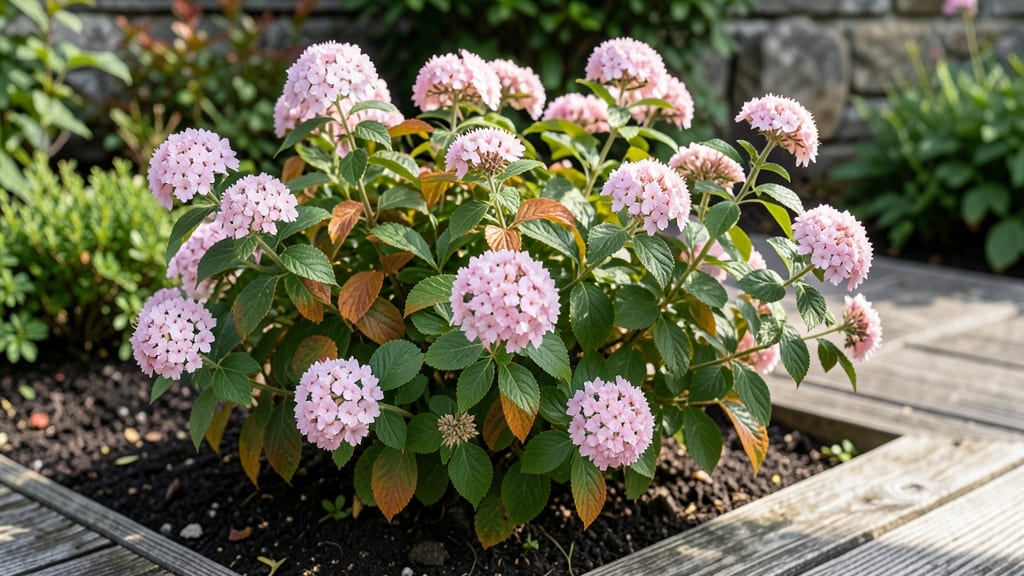
Choosing the right spirea for your garden’s sun or shade conditions is the key to year-round blooms and healthy growth.
Struggling to decide between sun-loving varieties that burst with color or shade-tolerant types that thrive in dappled light? The wrong placement can leave you with sparse blooms or leggy, weak stems — and that’s a missed opportunity for your landscape.
Spirea 🌸 is one of the most adaptable shrubs, but not all varieties play by the same rules. Some, like Spirea japonica, crave full sun for their best floral display, while others, like Spirea thunbergii, handle partial shade with ease.
The secret lies in matching the plant to its ideal light conditions.
In this guide, I’ll break down the sun and shade preferences of top spirea varieties, share placement tips to maximize blooms, and reveal how to transition your plants between light conditions without stressing them out.
 Best Window Placement
Sun-loving spirea varieties for full-bloom gardens
If you’re dreaming of a garden bursting with vibrant blooms that thrive under the brightest sunlight, sun-loving spirea varieties are your best friends. These hardy shrubs not only tolerate full sun but reward you with prolonged flowering seasons and striking foliage.
Whether you’re designing a border garden or adding height to a sunny patio, the right spirea variety can transform your space into a floral paradise.
One of the biggest misconceptions about spirea is that they’re one-size-fits-all plants. In reality, some varieties thrive in scorching sun, while others prefer dappled shade. For this guide, we’re focusing on the top 5 sun-loving spirea types that will flourish in 6+ hours of direct sunlight daily.
These picks are perfect for USDA zones 5-9 and offer year-round interest with their colorful foliage and continuous blooms.
To help you choose the perfect variety, here’s a quick comparison of their height, bloom times, and ideal climates. Each of these spirea types brings something unique to your garden—whether it’s golden foliage, pink pom-pom flowers, or compact growth for small spaces.
| Variety | Height | Bloom Time | Sun Needs | Climate Zones |
|---|---|---|---|---|
| Spirea japonica ‘Goldflame’ | 3-4 ft | Summer-Fall | Full sun | 5-9 |
| Spirea arguta ‘Little Princess’ | 1-2 ft | Spring-Summer | Full sun | 4-8 |
| Spirea japonica ‘Anthony Waterer’ | 4-5 ft | Summer | Full sun | 5-9 |
| Spirea japonica ‘Goldmound’ | 2-3 ft | Summer-Fall | Full sun | 4-9 |
| Spirea japonica ‘Crispa’ | 3-4 ft | Summer | Full sun | 5-8 |
Spirea japonica ‘Goldflame’ is a standout for its golden-yellow foliage that turns bronze in fall. This variety loves full sun and produces pink pom-pom flowers from midsummer to frost. It’s perfect for border gardens or as a focal point in sunny landscapes. To maximize its vibrant colors, plant it in well-draining soil and prune it lightly after blooming to encourage new growth.
If you’re working with a small-space garden, Spirea arguta ‘Little Princess’ is a compact powerhouse. This dwarf variety reaches only 1-2 feet tall but packs a punch with white flowers in spring and summer.
It’s ideal for rock gardens, container plantings, or spilling over patio edges. Unlike larger spirea, it requires minimal pruning—just trim back any dead or leggy stems in early spring.
For a taller statement, Spirea japonica ‘Anthony Waterer’ grows 4-5 feet tall and produces dense clusters of pink flowers in summer. This variety is a bees’ magnet and thrives in hot, dry climates.
To keep it looking its best, prune it right after flowering to maintain its compact shape. It’s also drought-tolerant once established, making it a low-maintenance choice for xeriscaping.
Another golden gem is Spirea japonica ‘Goldmound’, which features bright yellow foliage that glows in the sun. This variety blooms from summer to fall with pink flowers and grows 2-3 feet tall, making it perfect for mixed borders or found
Shade-tolerant spirea: best low-light options for woodland gardens
If your garden is blanketed in dappled shade or deep woodland conditions, don’t despair—there are shade-tolerant spirea varieties that will reward you with lush foliage and delicate blooms.
Unlike their sun-loving cousins, these low-light spirea types thrive where other shrubs struggle, making them perfect for woodland gardens and north-facing borders. The key is choosing the right species and providing proper care to avoid common pitfalls like leaf scorch or leggy growth.
Among the best options, Spirea thunbergii (Oakleaf Spirea) and Spirea betulifolia (Birchleaf Spirea) stand out for their adaptability to partial to full shade. These varieties not only tolerate low light but also boast seasonal interest, with striking foliage colors in fall and winter.
However, their success depends on soil prep, pruning schedules, and understanding their unique light needs—often morning sun with afternoon shade is ideal.
Shade-Tolerant Spirea Pros
Shade-Tolerant Spirea Cons
- ✅ Thrives in woodland gardens with 4+ hours of filtered light daily
- ✅ Low-maintenance foliage with fall color (reds, purples)
- ✅ Drought-tolerant once established in well-draining soil
- ✅ Resistant to deer and rabbits compared to other shade shrubs
- ⚠️ Leggy growth if light is too low (under 3 hours/day)
- ⚠️ Leaf scorch in hot afternoon sun without acclimation
- ⚠️ Slower bloom production than sun-loving varieties
- ⚠️ Requires pruning to maintain shape in low-light conditions
Before planting, focus on soil preparation. Shade-tolerant spirea prefers moist, well-draining soil with a slightly acidic to neutral pH (6.0–7.0). Amend heavy clay soil with compost or pine bark fines to improve aeration.
A 2–3 inch layer of mulch (like shredded bark) will help retain moisture and suppress weeds, which is especially important in woodland settings where competition for nutrients is fierce.
Pruning is another critical step for shade-tolerant spirea. Unlike sun-loving varieties, these plants benefit from light pruning in early spring (before new growth) to remove dead or crossing branches. Avoid heavy pruning in fall, as it can stimulate tender growth that may not survive winter.
For Spirea thunbergii, prune just above a leaf bud or lateral branch to encourage bushier growth. If your plant becomes leggy, a rejuvenation pruning in late winter (cutting back 1/3 of the oldest stems) can revive its shape.
Watch for leaf scorch, a common issue when shade-tolerant spirea gets too much direct afternoon sun. This appears as brown, crispy edges on leaves and is often a sign your plant needs more filtered light or better soil moisture.
To fix it, water deeply at the base of the plant in the morning and consider adding a shade cloth during peak summer hours if your garden lacks natural dappling. Regular foliar inspections will help you catch problems early.
For maximum impact, pair shade-tolerant spirea with other low-light plants like Hydrangea quercifolia or Pieris japonica. These combinations create a layered woodland garden that thrives in partial shade while offering year-round interest.
With the right care, your shade-tolerant spirea will become a lush, low-maintenance focal point that outshines many sun-loving shrubs.