
Companion Plants
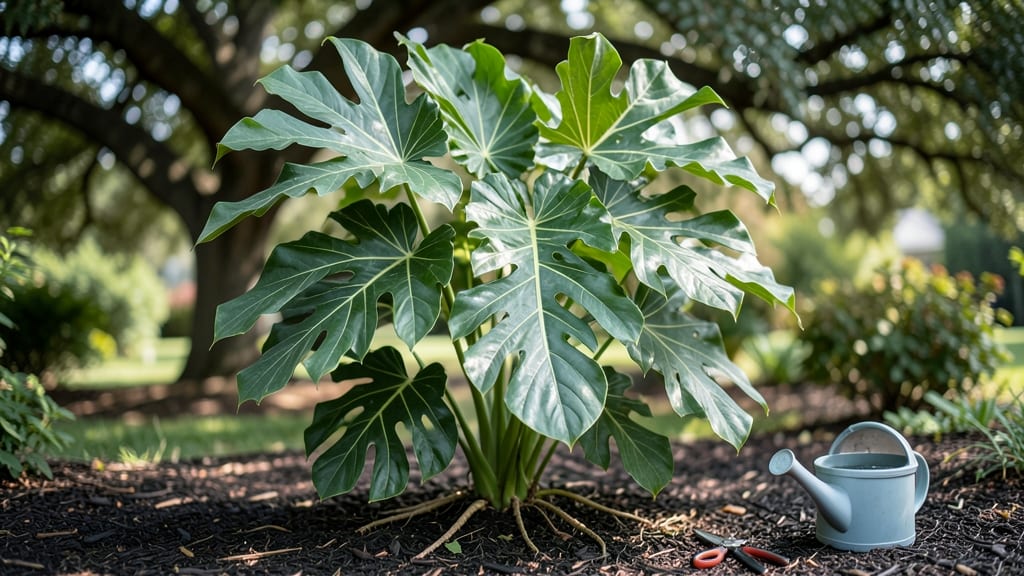
South Florida’s shade gardens don’t have to be dull—just drought-proof and humidity-loving. 🌿 The key is selecting plants that handle both the heat and the wet, like native ferns, caladiums, and impatiens, which stay lush without constant care.
These thrive where direct sun would scorch other greenery, turning shady spots into vibrant pockets of life.
Most shade plants here need well-draining soil to prevent root rot, despite the humidity. Amend heavy clay with compost or pine bark fines to improve airflow. Watering is simple: keep soil consistently moist but never soggy—mulch helps retain moisture while keeping roots cool.
Once established, many of these plants need little extra water, making them perfect for low-maintenance landscapes.
You’ll end up with a garden that stays green even in the hottest months, with minimal effort. The foliage ranges from deep burgundy to bright chartreuse, adding texture and color without sun exposure. These plants also attract pollinators like butterflies and hummingbirds, turning your shade garden into a thriving ecosystem.
Works for patios, under trees, or along north-facing walls—anywhere shade dominates. The secret is matching the right plants to your light conditions, whether full shade, partial shade, or filtered light. Let’s get your shade garden growing strong.
📚 In This Guide
- What you need
- Instructions
- Tips and common mistakes
- Wrapping up and next steps
What you need
- ● Shade-tolerant plants: Choose from 3–5 varieties (e.g., Philodendron, Caladium, Ferns, Impatiens, or Coleus). Pro tip: Start with 1–2 plants per square foot for optimal coverage.
- ● Well-draining potting mix: 2–3 bags (1–2 cubic feet each) of a blend designed for tropical or shade plants (e.g., Miracle-Gro Potting Mix or FoxFarm Ocean Forest).
- ● Containers or garden beds: Containers: 5–10 pots (10–14 inches in diameter) with drainage holes. Opt for terracotta or fabric grow bags for breathability.
- ● Garden beds: A 4’x4’ area with 6–12 inches of amended soil (mix potting soil with compost or peat moss for humidity retention).
- ● Organic mulch: 1–2 bags of pine bark fines or shredded leaves (2–3 inches deep) to retain moisture and suppress weeds.
- ● Watering can or hose with a gentle spray nozzle: For deep but infrequent watering (aim for 1–1.5 inches per week).
- ● Gloves and pruning shears: A pair of gardening gloves and bypass pruners for trimming (sterilize with rubbing alcohol between uses!).
- ● Slow-release fertilizer: 1–2 packets of osmocote or fish emulsion to feed plants every 2–3 months.
- ● Shade cloth (30–50% coverage): If your area gets partial sun, use this to filter harsh rays.
- ● Decorative stones or pebbles: For a polished look in containers (ensure they’re not too dense to avoid suffocating roots).
- ● pH testing kit: To check soil acidity (ideal range: 5.5–6.5 for most tropical shade plants).
Step-by-step guide to selecting and planting South Florida shade plants
Here’s how to create a lush, low-maintenance shade garden that handles Florida’s heat and humidity without fuss.
🌿 Step 1: Choose the Right Shade-Tolerant Plants
South Florida’s shade gardens thrive with plants that tolerate 80-90% shade and high humidity without wilting. Start with drought-resistant options like caladiums (for bold foliage), ferns (like Boston or Maidenhair), or elephant ears (Colocasia). These plants handle occasional dry spells while still looking vibrant.
For texture, add sago palms (Cycas) or cast iron plants (Aspidistra)—both survive in partial shade and occasional drought. Avoid moisture-loving plants like impatiens; they’ll rot in Florida’s humidity. I always check the USDA Hardiness Zone 10-11 tag to confirm compatibility before buying.
🪴 Step 2: Prepare the Soil for Drainage and Moisture Control
South Florida’s clay-heavy soil drains poorly, so amend it with 2-3 inches of organic matter (like compost or peat moss) to improve aeration. Mix this into the top 6 inches of soil where roots will grow. If your yard has standing water after rain, consider raised beds or containers to prevent root rot.
For containers, use a well-draining potting mix (like a blend of peat, perlite, and pine bark). I like to add a handful of sand to help with drainage—this prevents soggy roots while keeping moisture for shade plants. Test your soil’s moisture by squeezing a handful; it should hold shape but not drip water.
☀️ Step 3: Plant in the Right Light Conditions
Most South Florida shade plants thrive in dappled or filtered light, not deep, dark shade. Position them where they get morning sun and afternoon shade—this prevents leaf burn while keeping humidity levels ideal. Avoid planting under dense trees with root competition unless the tree has shallow roots.
If your yard has no natural shade, use shade cloth (30-50%) to mimic dappled light. I’ve found that 30% shade cloth works best for caladiums and ferns, while 50% cloth suits more delicate plants like maidenhair ferns. Watch for yellowing leaves—this usually means too much direct sun.
💧 Step 4: Water Deeply but Infrequently
Shade plants in South Florida need deep watering once a week (or more in extreme heat). Water in the early morning to reduce evaporation and fungal risks. Stick your finger 2 inches into the soil—if it’s dry, water until moisture reaches 6 inches deep. Overwatering is the biggest mistake here; soggy soil leads to root rot.
For containers, water when the top inch of soil feels dry. I like to use a soaker hose for in-ground plants to deliver water slowly without disturbing roots. Mulch with 2-3 inches of pine bark or wood chips to retain moisture and suppress weeds—this cuts watering needs by 30-50%.
✂️ Step 5: Maintain with Minimal Pruning and Fertilizing
Most shade plants need little pruning, but remove yellow or brown leaves as they appear to keep the plant healthy. For ferns, trim back dead fronds in early spring to encourage new growth. Caladiums and elephant ears benefit from cutting back foliage in late fall before dormancy.
Fertilize lightly in spring and summer with a balanced, slow-release fertilizer (10-10-10). I apply about ½ pound per 100 square feet twice a year—too much fertilizer burns shade plants. Avoid high-nitrogen feeds, which encourage leafy growth at the expense of roots in humid climates.
Tips & tricks for perfect South Florida shade gardens
Creating a thriving shade garden in South Florida doesn't have to be complicated—these simple tricks will help you avoid common mistakes and keep your plants lush and healthy.
Plant Selection Wisdom: When choosing your shade plants, focus on the USDA Hardiness Zone 10-11 tag—this ensures they'll handle Florida's heat and humidity. I've found that caladiums and elephant ears are my go-to plants because they're not just drought-resistant but also bring bold colors to shady spots. For delicate plants like maidenhair ferns, I always opt for containers where I can control the soil moisture more precisely.
Soil Prep Secret: The 2-3 inches of organic matter you mix into your clay-heavy soil is a game-changer. I like to add a bit of perlite to this mix—it helps break up the clay even more and improves drainage. For containers, I've started using a blend of peat, perlite, and sand (about 60/20/20 ratio) which gives me that perfect balance of moisture retention and drainage that shade plants need.
Light Condition Mastery: That 30-50% shade cloth recommendation isn't just a suggestion—it's essential for creating the right environment. I've learned the hard way that even shade plants need some light to thrive. For my caladiums, I use 30% shade cloth and position them to get morning sun, which gives them just enough light without risking leaf burn. Watch for those yellowing leaves—they're your first sign that a plant is getting too much direct sun.
Watering Strategy: The deep watering once a week guideline is perfect, but I've added a personal touch: I always water in the early morning and use a rain gauge to measure about 1 inch of water per week. This helps me track whether I'm over- or under-watering. For containers, I've started using self-watering pots with moisture meters—they're a bit of an investment, but they've cut my watering time in half while keeping my plants perfectly hydrated.
Pro Tips for South Florida Shade Plants
- Creating a thriving shade garden in South Florida doesn't have to be complicated—these simple tricks will help you avoid common mistakes and keep your plants lush and healthy.
- Plant Selection Wisdom: When choosing your shade plants, focus on the USDA Hardiness Zone 10-11 tag—this ensures they'll handle Florida's heat and humidity.
- Soil Prep Secret: The 2-3 inches of organic matter you mix into your clay-heavy soil is a game-changer.
Frequently asked questions
Got questions about keeping your South Florida shade garden lush and low-maintenance? Here are answers to the most common ones—so you can focus on enjoying your green oasis instead of stressing over it!
What are the best shade-tolerant plants for South Florida that also handle drought?
Top picks include Philodendron (like ‘Hope’ or ‘Brazil’), Caladium (elephant ears), Ferns (e.g., Boston or maidenhair), and Aglaonema (Chinese evergreen). These thrive in humidity and require minimal water once established. Dracaena marginata (dragon tree) is another drought-tolerant favorite for partial shade.
When is the best time to plant shade plants in South Florida?
Aim for spring (March–May) or early fall (September–November) to avoid extreme heat or cold. These windows give plants time to root before summer’s intensity or winter’s chill. Avoid planting during peak summer—high temps can stress young roots.
How often should I water shade plants in South Florida’s humidity?
Newly planted shade lovers need weekly watering (1–2 inches per week), but established plants often thrive with biweekly deep watering during dry spells. Check soil moisture—if the top 2 inches are dry, it’s time to water. Mulch (2–3 inches) helps retain moisture and reduces evaporation.
Can I grow vegetables or herbs in South Florida shade?
Yes! Try lettuce, spinach, kale, or Swiss chard for veggies, and cilantro, mint, or parsley for herbs. Opt for partial shade (4–6 hours of morning sun) and keep soil moist. Avoid heavy feeders like tomatoes—they need full sun to thrive.
How do I keep pests away from my shade plants?
South Florida’s humidity attracts pests like spider mites, scale, or slugs. Preventative care helps: Prune for airflow, remove debris, and use neem oil or insecticidal soap as needed. For slugs, set out beer traps or use copper barriers. Healthy plants resist pests better!
Will shade plants survive South Florida’s rare cold snaps?
Most tropical shade plants (e.g., Caladium, Philodendron) are not frost-tolerant—protect them with burlap wraps or move potted plants indoors if temps drop below 35°F (2°C). Hardy options like Ferns or Hostas can handle brief chills but may need mulch for insulation.
Wrapping up and next steps
Transforming your South Florida yard into a lush, drought-proof oasis is easier than you think! 🌿 With the right shade-loving plants—like elephant ears, caladiums, and ferns—you can create a vibrant, low-maintenance space that thrives in humidity and heat.
These resilient picks not only survive but flourish, offering year-round beauty with minimal fuss.
Ready to take the next step? Start small: pick one or two plants from our guide, test their placement in your shadiest spot, and watch your garden transform. Happy planting—your future shade sanctuary awaits! 🌱✨