
Companion Plants
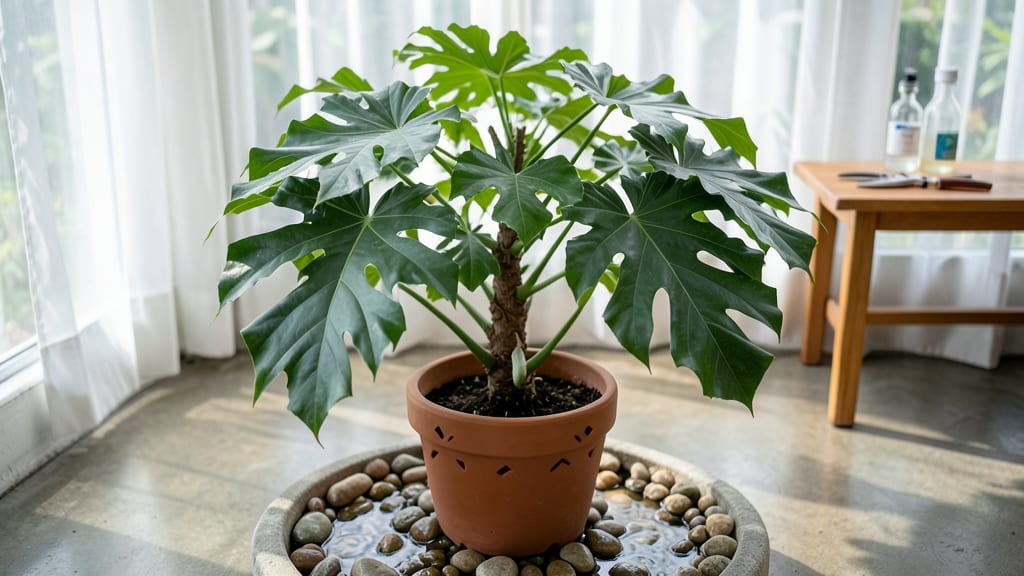
Transforming dark corners into vibrant tropical retreats starts with the right shade-loving plants. 🌿 These tropical shade plants thrive where sunlight struggles—under trees, along north-facing walls, or in courtyard nooks—bringing lush foliage and that sought-after "jungle vibe" without harsh afternoon sun.
My own shady garden spot went from dull to stunningly green after adding a mix of calatheas, ferns, and philodendrons, all of which love humidity and indirect light.
What makes these plants perfect for shady spots? Most need bright but filtered light—think dappled sunlight through tree canopies—and well-draining, moisture-retentive soil. Humidity is key, so they’ll flourish near water features, in containers with pebbled trays, or in naturally damp climates.
Hostas and maidenhair ferns are especially forgiving for beginners, while calatheas and philodendrons add bold, patterned foliage that turns heads.
By the end of the season, you’ll have a textured, layered canopy that feels like a mini rainforest. The secret is grouping plants with similar light and moisture needs—tall ferns in back, trailing philodendrons on shelves, and calatheas in front for that pop of color.
Even in 100°F heat, these plants stay lush while others wilt.
Works for patios, understory gardens, or even as houseplant backups in humid climates. Let’s bring that tropical feel to your shady spots—without the sunburn.
📚 In This Guide
- What you need
- Instructions
- Tips and common mistakes
- Wrapping up and next steps
What you need
- ● Tropical shade plants: 3–5 mature plants (e.g., Calathea, Philodendron, Ferns, or Peperomia). Choose 1–2 focal plants (larger varieties) and 2–3 filler plants for texture.
- ● High-quality potting mix: 10–15 gallons of well-draining, peat-based or coconut coir mix (avoid heavy garden soil). Add perlite or orchid bark (1 part perlite to 4 parts soil) for aeration.
- ○ Containers or garden beds: Containers: 1–2 10–15 gallon pots with drainage holes (terracotta or fabric pots work best). Optional: Self-watering planters for low-maintenance care.
- ● Garden beds: Amend soil with 3–5 inches of compost and a 2-inch layer of mulch (e.g., shredded bark or pine needles) to retain moisture.
- ● Watering can or hose with a gentle spray nozzle: Aim for consistent moisture—tropical plants hate drying out!
- ● Pruning shears: Small, sharp shears for trimming dead leaves or shaping plants.
- ○ Gloves (optional): Protect your hands from soil or prickly leaves (e.g., Alocasia).
- ● Slow-release fertilizer: A balanced 10-10-10 or organic option (e.g., worm castings) to feed plants every 2–3 months.
- ● Humidity tray or pebble tray: Elevate pots slightly above a tray filled with water and pebbles to boost humidity in dry climates.
- ● Grow lights (LED or fluorescent): If your space is very low-light, supplement with 12–14 hours of light daily.
- ● Moss or decorative stones: For a finished look, add Sheet moss or river rocks around plants.
How to create a thriving tropical shade plant collection
Transform those dim corners into a vibrant, high-humidity jungle with these shade-loving tropicals.
🌿 Step 1: Select the Right Shade-Tolerant Species
Choose plants that thrive in low to moderate light (1,000–3,000 foot-candles) and high humidity. My go-to tropical shade plants include calatheas (for bold foliage), philodendrons (for trailing elegance), and ferns (like maidenhair or Boston) for delicate texture. Avoid sun-lovers like succulents—they’ll crisp in dim conditions.
Look for variegated leaves as a visual cue of health; pale or yellowing patches signal too little light. I always check the underside of leaves for dust—clean, glossy surfaces mean the plant is thriving in its environment. Group plants with similar light needs together to create a cohesive microclimate.
🪴 Step 2: Prepare Well-Draining, Moisture-Retentive Soil
Mix 50% peat or coconut coir with 30% perlite or pumice and 20% compost to create a fluffy, airy medium that holds moisture without drowning roots. Tropical plants need consistent humidity, so avoid garden soil—it compacts and suffocates roots. I like to add a handful of orchid bark for extra aeration.
Fill containers to 1 inch below the rim, leaving space for watering. Press the mix gently around the base of each plant to eliminate air pockets. Overpacking soil can stunt root growth, while loose soil risks uneven moisture distribution. Test the mix by squeezing it—it should hold shape but not feel soggy.
☀️ Step 3: Position Plants for Indirect Light and Humidity
Place your shade plants 3–6 feet from an east- or north-facing window or under a 50% shade cloth outdoors. Direct sunlight will scorch leaves, while <1,000 foot-candles causes leggy, weak growth. Rotate pots quarter-turn weekly to prevent plants from leaning toward light sources.
Boost humidity by grouping plants together or placing trays of pebbles and water beneath them. Mist foliage daily in dry climates—you’ll notice leaves curling or browning at edges when humidity drops below 50%. A humidifier near the display area works wonders for indoor setups.
💧 Step 4: Water Deeply and Maintain Consistent Moisture
Water when the top 1–2 inches of soil feel dry to the touch. Tropical plants prefer even moisture but hate soggy roots. I use a self-watering pot for philodendrons to prevent under- or overwatering. Always water at the base, not overhead, to avoid fungal issues like powdery mildew.
Empty saucers after 10 minutes to prevent root rot—a common killer of tropicals. Yellowing leaves often signal overwatering, while crispy edges mean underwatering. Adjust your watering schedule based on the season: reduce in winter when growth slows and increase in summer when evaporation speeds up.
✂️ Step 5: Prune and Fertilize for Lush Growth
Trim leggy stems back by one-third to encourage bushier growth. Use clean, sharp scissors to avoid tearing leaves, and always cut just above a leaf node. Pruning also improves airflow, reducing the risk of pests like spider mites. I fertilize every 4–6 weeks in spring/summer with a balanced liquid fertilizer (10-10-10) diluted to half-strength.
Flush the soil with water monthly to prevent salt buildup from fertilizers. Brown leaf tips? That’s often a sign of fluoride or chlorine sensitivity—use rainwater or distilled water instead of tap if needed. Watch for new growth after pruning; healthy plants will sprout fresh leaves within 2–4 weeks.
Tips & tricks for perfect tropical shade plant collections
Here's what nobody tells you about keeping your tropical shade plants thriving for months.
Light Monitoring: Use a simple light meter app on your phone to track foot-candle levels in your space. I aim for 1,500-2,500 foot-candles for optimal growth—this helps prevent the leggy growth that happens when plants stretch toward insufficient light. For indoor setups, rotate your plants quarter-turn weekly as mentioned, but also move them 6 inches closer to the light source every 2 weeks to gradually acclimate them to brighter conditions without shocking the foliage.
Soil Science: The 50-30-20 mix of peat/coco coir, perlite/pumice, and compost creates the perfect balance, but here's the secret: add 1 tablespoon of worm castings per gallon of mix for extra microbial activity. This boosts nutrient availability without overfeeding. I also recommend adding orchid bark—not just for aeration, but because it slowly releases nutrients as it breaks down, providing long-term nourishment.
Humidity Hacks: Beyond the pebble trays and misting, try this: Place a humidifier near your plant collection and set it to 50-60% humidity—this mimics their natural rainforest environment. For a budget-friendly alternative, group plants together and place them on a large tray filled with wet pebbles and moss. The evaporation creates a microclimate that keeps humidity consistently high around your plants.
Pruning Precision: When trimming those leggy stems back by one-third, focus on cutting just above a leaf node where new growth will emerge. Use sterilized pruning shears (wipe with rubbing alcohol between cuts) to prevent spreading disease. I've found that pruning right after watering gives you cleaner cuts and reduces stress on the plant. After pruning, place your cuttings in water with a rooting hormone—you'll often get new plants within 4-6 weeks!
Pro Tips for Tropical Shade Plants
- Here's what nobody tells you about keeping your tropical shade plants thriving for months.
- Light Monitoring: Use a simple light meter app on your phone to track foot-candle levels in your space. I aim for 1,5...
- Soil Science: The 50-30-20 mix of peat/coco coir, perlite/pumice, and compost creates the perfect balance, but here's...
Frequently asked questions
Got questions about adding tropical shade plants to your garden? Here are some of the most common concerns—and their answers—to help you create a thriving, lush canopy in those tricky dark corners.
Which tropical shade plants are easiest for beginners?
Start with hardy, low-maintenance picks like Calathea, Philodendron, or Peperomia. These thrive in indirect light and require minimal fuss. Ferns (like Boston or Maidenhair) are also forgiving. Avoid finicky varieties like Orchids unless you’re ready to coddle them!
Can tropical shade plants survive in total darkness?
Most tropical shade plants need some light—even filtered or dappled sunlight—to photosynthesize. If your spot gets zero natural light, opt for artificial grow lights (12+ hours/day) or choose shade-tolerant varieties like ZZ Plants or Snake Plants, which can stretch toward light but won’t die outright.
How often should I water tropical shade plants?
Check soil moisture weekly—stick your finger 1–2 inches deep. Tropical plants prefer consistently moist (not soggy!) soil. Reduce watering in winter when growth slows. Pro tip: Use a moisture meter or the "lift-and-feel" test to avoid overwatering, a common killer of shade-loving plants.
Will tropical shade plants handle my home’s AC or heaters?
Most tropical plants prefer humidity (40–60%) and struggle with dry indoor air. Combat this by:
- Misting leaves daily (or use a humidifier).
- Grouping plants together to raise humidity.
- Avoiding cold drafts (keep away from AC vents).
What’s eating my tropical shade plants?
Pests like spider mites, mealybugs, or fungus gnats love tender tropical leaves. Act fast:
- Wipe leaves with neem oil or insecticidal soap.
- Let soil dry slightly between waterings to deter gnats.
- Isolate infected plants to prevent spread.
Wrapping up and next steps
Transforming those dim, forgotten corners of your garden into vibrant tropical oases is easier than you think! 🌿 With the right tropical shade plants, you can create a lush, low-maintenance canopy that thrives in low light while adding beauty and life to your outdoor space.
Whether you’re drawn to the bold foliage of a Calathea or the delicate blooms of an African Violet, these plants prove that shade gardens can be just as stunning as sunlit ones.
Ready to take the next step? Start small—pick one or two plants to test your space, then expand as your confidence (and collection!) grows. Happy gardening! 🌱