
Orchid Care
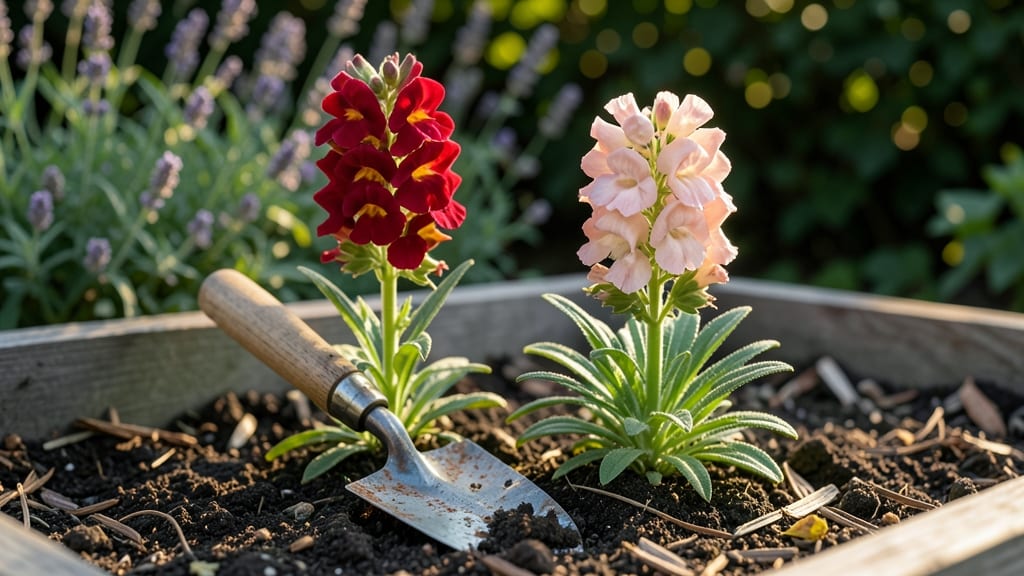
Snapdragons in sun or shade 🌸 thrive with the right light balance, but getting it wrong can mean fewer blooms and leggy stems.
Picture this: you’ve planted your March seeds with high hopes, only to watch them stretch toward the sky like they’re reaching for something. That’s your snapdragons telling you they’re not getting enough light—or maybe they’re getting too much.
The good news? These flowers are more flexible than you think, and with a few simple adjustments, you can keep them blooming from June to September.
Some snapdragon varieties practically beg for full sun, while others prefer a gentle dose of shade, especially in hot Zone 6a summers. The key is matching your plants to their ideal light conditions—whether that’s bright morning sun with afternoon shade or dappled light under a tree.
I’ll break down the best varieties for each scenario and show you how to tweak care to keep them thriving, no matter where you garden.
Ready to unlock longer-lasting color and healthier plants? You’ll learn how to spot the signs of too much or too little light, the easiest ways to adjust their placement, and even how to revive snapdragons that have already suffered from poor lighting. Let’s get those blooms popping!
 Best Window Placement
Best snapdragon varieties for sun vs. shade: a light-tolerance guide
Snapdragons (Antirrhinum majus) are versatile annuals that add vertical interest and vibrant colors to gardens, but their light needs vary dramatically between varieties. Some thrive in full sun, while others tolerate partial shade—even deep shade in some cases.
Choosing the right type for your garden’s lighting ensures longer blooms and healthier stems. Let’s explore the top varieties that excel in sun, shade, or both.
For gardeners with bright, sunny spots, varieties like the 'Rocket Series' deliver bold colors and taller stems (up to 3 feet). In contrast, shade-tolerant types such as 'Black Velvet' or 'Matrix' handle 2-4 hours of filtered light without fading.
Even deep shade isn’t a dealbreaker if you select the right dwarf or trailing varieties.
Here’s how to match your garden’s light conditions to the perfect snapdragon variety, including bloom duration and color retention tips.
The 'Rocket Series' is my go-to for sunny borders—its tall, sturdy stems support heavy blooms without flopping, even in hot afternoons. Plant them in well-draining soil and water at the base to prevent fungal issues from overhead moisture.
For shade gardens, 'Matrix' varieties like 'Matrix Cherry' or 'Matrix Lavender' thrive with just 2-4 hours of morning sun.
If your garden has deep shade (e.g., under trees), 'Black Velvet' snapdragons are a game-changer. Their dark petals contrast beautifully with hostas or ferns, and they tolerate dappled sunlight better than most flowers.
Just avoid placing them in full shade—they’ll produce fewer blooms. For versatile use, the 'Titan Series' adapts to both sun and shade while delivering long-lasting color.
Color retention is another key factor. In full sun, bright hues like red or orange may fade faster, while pastel shades (e.g., 'Matrix Pink') stay true in partial shade.
To extend bloom life, deadhead spent flowers regularly and apply a balanced fertilizer (e.g., 5-10-10) every 4-6 weeks during the growing season. Mulch with compost or straw to retain moisture and protect roots from temperature swings.
For container gardening, dwarf varieties like 'Dwarf Jewel' shine in hanging baskets or window boxes
How to maximize snapdragon blooms in low-light or hot conditions
If your snapdragons 🌸 are struggling to thrive in your garden’s lighting conditions, don’t worry—these adaptable flowers can flourish in partial shade or intense sun with the right adjustments. The key lies in understanding how light exposure affects their growth patterns and blooming cycles.
Whether you’re dealing with shady corners or scorching afternoons, small tweaks to soil, water, and pruning can transform weak stems into vibrant, long-lasting blooms.
Snapdragons naturally prefer 4-6 hours of sunlight, but some varieties—like the 'Black Velvet' series—tolerate dappled shade better than others. In hot climates, too much direct sun can cause wilting or faded blooms, while insufficient light in shade may lead to leggy stems and sparse flowers.
Let’s explore how to optimize their care for your specific lighting challenges.
🌱 Key Takeaways for Snapdragons in Sun or Shade
- Sun-Loving Varieties: 'Rocket Series' needs full sun (6+ hours) for bold blooms.
- Shade-Tolerant Varieties: 'Matrix' thrives in partial shade (3-4 hours) with rich soil.
- Watering Tip: Shade plants need less frequent watering; sun plants require daily moisture.
- Pruning Hack: Pinch back elongated stems to encourage bushier growth in low light.
- Companion Plants: Pair with tall grasses to filter harsh sun or hostas for shade support.
Adjust care seasonally—winter shade protection and summer mulching are game-changers!
For snapdragons in low-light conditions, focus on soil enrichment to compensate for limited sunlight. Amend your garden soil with compost or aged manure to boost nutrient availability, which helps plants stretch less toward light.
A balanced fertilizer (5-10-10) applied every 4-6 weeks during the growing season will support robust foliage and blooms. In shady spots, also consider using reflective mulch or light-colored gravel to bounce extra light onto the plants.
When dealing with hot, sunny conditions, prioritize consistent moisture and afternoon shade. Snapdragons in full sun may need daily watering to prevent wilting, especially during heatwaves.
Install a drip irrigation system to deliver water directly to the roots without wetting the leaves, which can lead to fungal issues. Additionally, use lightweight shade cloth (30-50%) during peak afternoon hours to protect delicate blooms from scorching.
Pruning is another critical technique for maintaining compact, bushy growth in both sun and shade. If your snapdragons develop tall, leggy stems due to insufficient light, pinch back the tips of the main stems to encourage branching.
For plants in full sun, deadhead spent blooms regularly to redirect energy into new flowers. In late summer, give your snapdragons a light trim to remove any damaged or overcrowded foliage, ensuring they enter dormancy stronger.
Don’t overlook the power of companion planting to optimize light exposure. In shady areas, pair snapdragons with tall grasses like Miscanthus, which can filter harsh light while adding texture. For sunny spots, plant them near low-growing perennials like ajuga to retain soil moisture and reduce evaporation.
These pairings not only enhance your garden’s aesthetics but also create a microclimate that supports snapdragon health.
Seasonal adjustments are essential for year-round success. In winter, protect shade-loving snapdragons with a lightweight frost cloth to prevent cold damage, while sun-loving varieties may benefit from mulching to insulate roots. During spring planting, choose a location that offers morning sun and afternoon shade for a balanced environment.
With these strategies, your snapdragons will reward you with vibrant blooms from early summer through fall! 🌿