
Shrubs
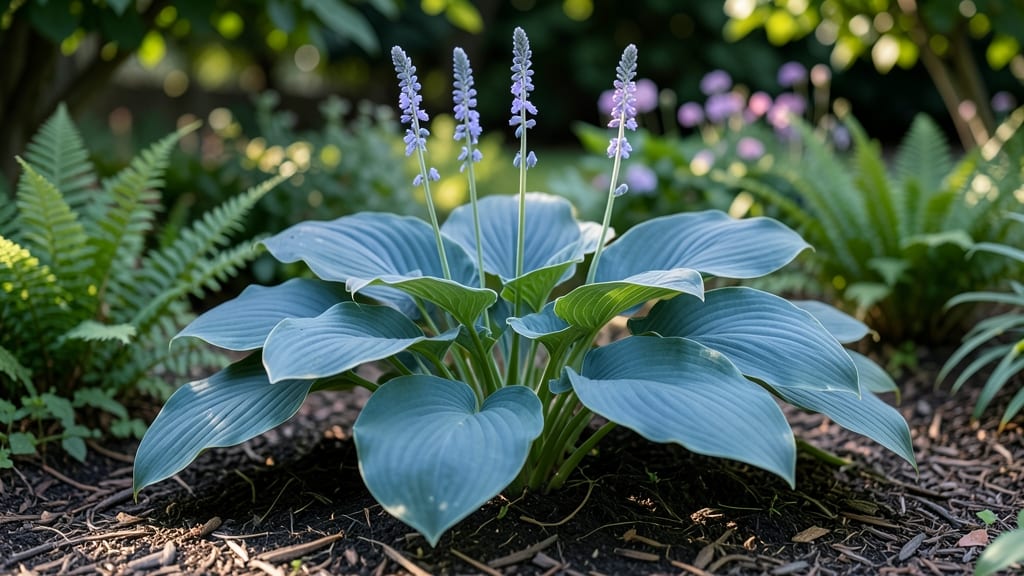
Shade-loving shrubs thrive in low-light areas with varieties like hydrangeas, azaleas, and rhododendrons, offering vibrant blooms and lush foliage without direct sunlight. Choose evergreens for year-round interest or deciduous types for seasonal color shifts.
Shade-tolerant shrubs are botanical superstars for dark corners, thanks to their broad leaves that maximize light absorption and deep root systems that efficiently gather moisture. 🌿 Unlike sun-loving plants, these varieties often develop thicker foliage to protect delicate cells from occasional light exposure, making them perfect for under trees or north-facing walls.
The trade-off? They may grow slightly slower than sun-happy shrubs, but their adaptability makes them ideal for problem spots where other plants struggle.
For fast results, prioritize Pieris japonica (fire bush) or Ilex crenata (Japanese holly), both of which can establish quickly in shaded beds. These evergreens deliver year-round structure while their glossy leaves reflect light better than thinner foliage.
I always recommend spacing them 3-4 feet apart for privacy screens—they'll fill in faster than you'd expect, especially with consistent moisture and a layer of mulch to retain soil warmth.
💡 In This Article
- Why Shade-Tolerant Shrubs Survive in Low Light
- Top 5 Fast-Growing Shade Shrubs for Instant Privacy
Why shade-tolerant shrubs survive in low light
Shade-loving shrubs have evolved remarkable adaptations to thrive where sun-dependent plants would wilt. Their broad, dark leaves contain more chlorophyll than sun-loving varieties, allowing them to capture every photon of available light.
For example, hydrangeas develop thicker leaf cuticles that reduce water loss while still absorbing light efficiently—similar to how evergreen needles conserve moisture in dry climates. This adaptation explains why they often grow slower but with denser foliage compared to sun-happy shrubs like boxwoods, which prioritize rapid growth over light efficiency.
The root systems of shade shrubs also play a crucial role. Many develop extensive horizontal roots that spread just below the surface, creating a wide network to gather moisture and nutrients from the damp soil typical of shaded areas.
Consider Rhododendrons: their fibrous roots can spread 3-5 feet wide while staying shallow, perfect for absorbing water from leaf litter and organic matter. This contrasts with sun-loving shrubs like Lantana, which grow deep taproots to reach water deep underground. The trade-off?
Shade shrubs often need more frequent watering during dry spells.
Photosynthesis efficiency is another key factor. Shade plants use a process called C3 photosynthesis but optimize it for low light by maintaining cooler leaf temperatures. Their stomata (pores) open less frequently than sun plants', reducing water loss while still allowing gas exchange.
This is why you'll often see shade shrubs like Azaleas thriving in dappled light—their leaves stay green and healthy even when sun plants nearby look scorched. The downside?
They produce less energy per leaf, which is why many shade shrubs grow more slowly and require richer soil with plenty of organic matter.
Ecologically, these adaptations make shade shrubs invaluable. They provide habitat and food for wildlife that sun plants can't support. For instance, Evergreen shrubs like Pieris japonica offer year-round shelter for birds, while deciduous varieties like Fothergilla provide seasonal food sources when they bloom.
Their ability to grow under trees also prevents soil erosion in wooded areas where direct sunlight would otherwise sterilize the ground. This makes them perfect for restoring understory ecosystems where sunlight is limited.
One fascinating adaptation is how shade shrubs respond to occasional sun exposure. Many develop heterophylly—producing different leaf shapes on the same plant. For example, leaves on the plant's lower branches (in deepest shade) may be larger and thinner, while upper leaves (exposed to more light) become smaller and tougher.
This flexibility allows them to maximize light capture regardless of their position in the landscape. 🌿 It's like having a built-in light sensor that constantly adjusts the plant's strategy for survival.
The science behind their color also reveals their light adaptations. Many shade shrubs produce anthocyanins (the pigments that create deep purples and blues in leaves and flowers), which act as natural sunscreens. These pigments absorb harmful UV radiation while allowing visible light to pass through to the chlorophyll.
This is why Blueberry bushes and Hydrangeas often have such vibrant foliage—they're not just pretty, they're protecting their leaves from damage in low-light conditions.