
Light Requirements
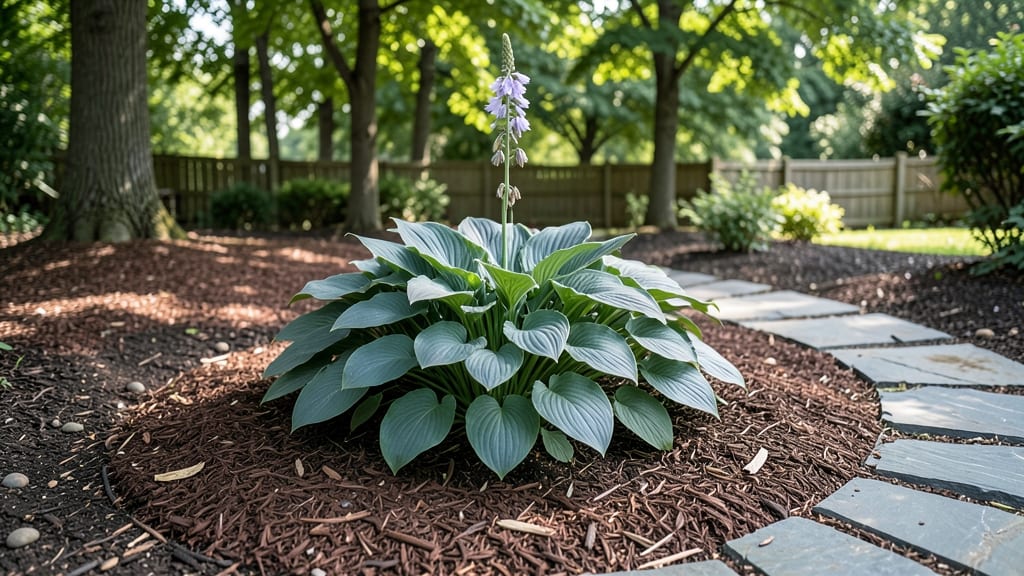
Creating a partial shade garden layout that thrives year-round starts with understanding how light filters through trees and buildings. 🌿 I’ve designed my own shade garden over three seasons, and the key is balancing plants that tolerate dappled light with those that need a little more sun—like hostas and ferns for the shadier spots, and astilbes or coral bells for brighter areas.
The right combination turns a tricky space into a lush, private retreat.
Layering is everything—tall plants like Japanese maples or ornamental grasses anchor the back, medium-height shrubs like hydrangeas or azaleas fill the middle, and low-growing ground covers like ajuga or sweet woodruff spill over the front.
This creates depth and keeps the garden from feeling flat or overcrowded. Mulch ties it all together, keeping soil moist and suppressing weeds while adding texture.
By the end of the season, you’ll have a garden that feels like a secret hideaway—vibrant foliage in summer, subtle interest in winter, and year-round privacy. The best part?
It’s easier than you think, and you’ll avoid the common pitfalls of shade gardening, like leggy plants or sparse blooms. Let’s get your layout planned!
Works for any yard—whether you’re dealing with a north-facing wall, large trees, or a covered patio. The same principles apply, so you can adapt this to your space. Here’s how to start layering your own shade sanctuary!
📚 In This Guide
- What you need
- Instructions
- Tips and common mistakes
- Wrapping up and next steps
What you need
- ● Soil amendments: Compost (2–3 cubic yards for a 10’x10’ area)
- ● Peat moss or coconut coir (1–2 bags, 2–3 cubic feet each)
- ● Organic mulch (e.g., shredded bark or pine needles, 2–3 bags)
- ● Plants: Shade-tolerant perennials (e.g., hostas, ferns, astilbes—5–10 plants)
- ● Shrubs for structure (e.g., hydrangeas, azaleas, or boxwood—3–5 plants)
- ● Ornamental grasses (e.g., carex or fountain grass—2–4 clumps)
- ● Seasonal annuals (e.g., impatiens, begonias—10–15 plants)
- ● Hardware & structures: Garden stakes or trellises (for climbing plants like clematis or ivy—5–10 stakes)
- ● Garden edging (flexible metal or plastic, 20–30 feet)
- ● Garden stones or pavers (for pathways or borders—10–20 pieces)
- ● Garden trowel (for planting small perennials)
- ● Shovel and spade (for digging and soil prep)
- ● Pruners (bypass pruners for clean cuts)
- ● Wheelbarrow (for hauling soil and mulch)
- ● Measuring tape and string (for layout planning)
- ● Garden gloves (for protection)
- ○ Optional: Soil pH test kit (to check acidity/alkalinity)
- ○ Optional: Drip irrigation kit (for low-maintenance watering)
- ● Measure your garden space and sketch a rough layout (include sun/shade patterns).
- ● Check soil quality—amend if compacted or poor-draining.
- ● Plan for layered planting: tall shrubs → mid-height perennials → ground covers.
- ● Schedule planting times based on your climate (spring/fall for perennials, summer for annuals).
How to design a partial shade garden with strategic layers
Here’s how to create a lush, functional garden that thrives in partial shade while delivering privacy and color year-round.
🌿 Step 1: Map Your Shade Patterns and Define Zones
Start by observing your space for 2-3 days—note where sunlight hits at different times. Partial shade typically means 3-6 hours of dappled light daily, but some spots may get more or less. Divide your area into three layers: foreground (nearest to the house), midground (mid-height plants), and background (tallest elements). This creates depth and visual interest.
Use stakes and string to mark boundaries for each layer. I like to sketch a quick layout first—this helps visualize how plants will interact. If your shade shifts (like under deciduous trees), plan for seasonal changes by including plants that tolerate both shade and sun.
🪴 Step 2: Select Plants for Each Layer Based on Light Needs
For the foreground, choose low-growing perennials like heuchera (coral bells), ajuga (bugleweed), or lamium (dead nettle)—they thrive in 3-4 hours of light and add texture. In the midground, opt for medium-height shrubs like hydrangeas (bigleaf or oakleaf), fothergilla (witch alder), or pieris (andromeda)—these handle 4-6 hours of light and provide year-round structure. For the background, taller plants like ornamental grasses (panicum or miscanthus), tree ferns, or evergreen shrubs (like inkberry holly) will create privacy.
Mix evergreens (like boxwood or pieris) with deciduous plants (like fothergilla) to ensure color in all seasons. I always include at least one fragrant plant (like sweet woodruff or lamb’s ear) to engage the senses. Avoid planting sun-lovers like lavender or daylilies—they’ll struggle in low light.
☀️ Step 3: Layer Soil Amendments for Drainage and Fertility
Partial shade gardens often have compacted or acidic soil, so improve drainage by mixing 3 inches of compost into the top 6 inches of soil before planting. For heavier clay, add 1 part perlite or coarse sand to the mix. I also top-dress with 2 inches of mulch (like shredded bark or pine needles) to retain moisture and suppress weeds—this is especially important in shaded areas where soil dries out more slowly.
Test your soil’s pH—many shade-loving plants (like azaleas or rhododendrons) prefer acidic conditions (pH 4.5-6.0). If your soil is alkaline, amend with sulfur or peat moss before planting. Group plants with similar soil needs together to simplify care.
✂️ Step 4: Arrange Plants for Seasonal Interest and Privacy
Place tallest plants in the back (like grasses or small trees) to create a natural privacy screen. In the midground, cluster shrubs in odd-numbered groups (3, 5, or 7) for a balanced look—this prevents a formal, rigid appearance. Fill gaps with perennials that bloom at different times, like bleeding heart (spring), hostas (summer), and heuchera (fall/winter interest).
Add vertical elements like trellises with climbing hydrangeas (Hydrangea petiolaris) or clematis to draw the eye upward and soften the space. I always leave 1-2 feet of space between plants at maturity to allow airflow and prevent disease. Mulch heavily around the base of each plant to protect roots and keep the area tidy.
🌱 Step 5: Maintain Layers for Long-Term Health and Beauty
Water deeply once a week (or more in extreme heat) to encourage deep root growth—shade gardens can dry out surprisingly fast. Fertilize lightly in early spring with a balanced, slow-release fertilizer (10-10-10) and again in mid-summer if plants look tired. Prune spent blooms from perennials in early summer to encourage more flowers, and shape shrubs in late winter before new growth appears.
Monitor for pests like slugs or spider mites—shade gardens can attract them. If you spot issues, address them early with organic sprays (neem oil or insecticidal soap). Rotate plants every 3-5 years to refresh the garden and prevent soil depletion. With this layered approach, your garden will stay vibrant, private, and low-maintenance for years.
Tips & tricks for perfect partial shade garden design
Creating a stunning partial shade garden isn't just about choosing the right plants—it's about working with the space's natural rhythms. Here's what I've learned from years of designing these lush, low-light havens.
Light Observation is Everything: Those 2-3 days of observing your space are non-negotiable. I've seen gardeners skip this step and plant sun-loving perennials that struggle after just a few weeks. Use a simple app or even a notebook to track sunlight patterns at different times of day. Morning shade from trees might be completely different from afternoon shade—this affects which plants will thrive in each microclimate.
Layering Creates Depth: The three-layer approach (foreground, midground, background) isn't just about height—it's about creating visual interest. In Step 1, when you're marking your zones, think about how each layer will interact with the next. I like to use the "rule of thirds" when arranging plants: place your tallest elements at the back third, mid-height plants in the middle third, and ground covers in the front third. This creates that magical sense of depth that makes gardens feel expansive rather than crowded.
Soil Prep Makes All the Difference: Don't underestimate the importance of that 3 inches of compost mixed into the top 6 inches of soil. I've seen gardens with beautiful plant selections fail because the soil wasn't properly amended. For clay-heavy soils, I recommend adding perlite at a 1:3 ratio (1 part perlite to 3 parts soil) to improve drainage without disrupting the natural structure. And remember—mulch isn't just for looks. That 2 inches of mulch you add will help regulate soil temperature and keep moisture levels consistent, which is especially critical in partial shade where evaporation happens more slowly.
Seasonal Interest is the Secret Weapon: When selecting plants for each layer in Step 2, think beyond just their current appearance. That heuchera you're planting for its fall color? Make sure it has winter interest too. The fothergilla you're choosing for spring blooms? Check that it has good fall foliage. I always create a simple seasonal calendar for each plant before making my final selections. This ensures your garden will have something interesting to offer from early spring through late winter.
Pro Tips for Partial Shade Garden Layout
- Creating a stunning partial shade garden isn't just about choosing the right plants—it's about working with the space's natural rhythms.
- Light Observation is Everything: Those 2-3 days of observing your space are non-negotiable.
- Layering Creates Depth: The three-layer approach (foreground, midground, background) isn't just about height—it's about creating visual interest.
Frequently asked questions
Got questions about creating a partial shade garden layout? You’re not alone! Here are some of the most common queries—and answers—to help you design a thriving, low-maintenance space that blooms with color and privacy year-round.
What are the best plants for a partial shade garden?
A mix of shade-tolerant perennials, ferns, and low-light shrubs works best. Try hostas, astilbes, heucheras, and impatiens for color, while evergreens like boxwood or inkberry holly add structure and privacy. Layer them for height and texture!
When is the best time to plant in partial shade?
Spring (after the last frost) or early fall are ideal—soil is warm enough for roots to establish, but temperatures are mild. Avoid planting in peak summer heat, as young plants may struggle with moisture loss. Pro tip: Water deeply after planting to reduce transplant shock!
Can I still get privacy in partial shade?
Tall ornamental grasses (like Japanese forest grass), bamboo, or evergreen shrubs (e.g., pieris or camellias) create lush screens. For faster results, mix in climbing hydrangeas on trellises or arbors. Just ensure your layout includes varied heights for a fuller look.
What if my garden gets too much sun in some spots?
Use movable shade cloth or lightweight fabric to filter harsh afternoon sun during summer. Alternatively, plant fast-growing vines (like clematis) on a lattice to gradually block excess light. Monitor plant health—if leaves yellow or scorch, adjust shade sources or swap sun-loving plants for shade-tolerant varieties.
How do I keep weeds out without chemicals?
Mulch heavily with wood chips or pine straw (3–4 inches deep) to suppress weeds and retain moisture. Pro tip: Layer cardboard or newspaper under mulch for extra weed control! Plus, dense plantings leave less room for weeds to take root.
Wrapping up and next steps
A partial shade garden layout is your secret weapon for a lush, vibrant space that thrives without the harsh glare of full sun. By layering tall plants for privacy, mid-height blooms for color, and ground covers for texture, you create a dynamic retreat that wows year-round.
The key? Strategic placement—balancing shade-loving perennials, evergreens, and seasonal accents to keep your garden thriving and stunning.
Ready to transform your space? Start small—pick one layer (like a focal shrub or a row of ornamental grasses) and build from there. Before you know it, your partial shade garden will be the envy of the neighborhood! 🌿✨