
Plants
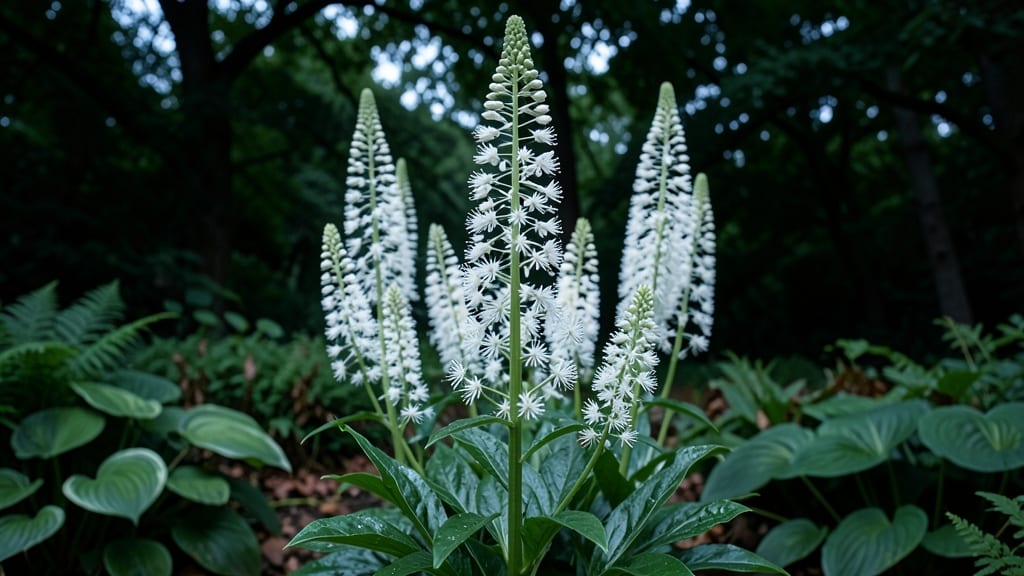
Tired of struggling with barren shade gardens in Zone 5? These 10 hardy perennial flowers thrive in full shade, delivering vibrant blooms year after year with minimal care—perfect for under trees, north-facing yards, or dense shrubbery.
Hostas for Lush Foliage and Season-Long Interest

If you love gardens that shine even when flowers aren’t blooming, hostas are your secret weapon. Their bold, variegated foliage—like deep purple-blue with white centers—creates stunning visual contrast year-round, making them perfect for full shade spots in Zone 5.
Hostas thrive in moist, well-draining soil and prefer partial to full shade, though some varieties tolerate morning sun. Their bitter taste deters deer, while their delicate lavender blooms in summer attract pollinators like bees and butterflies. Choose compact varieties like 'Blue Angel' for borders or giant types like 'Sum and Substance' for dramatic foliage statements.
These low-maintenance perennials are ideal for beginners, urban gardeners with limited space, or anyone who wants a lush, textured garden with minimal fuss. 💚
Bleeding Heart for Graceful Arching Blooms

Transform your shady garden into a romantic retreat with bleeding heart (Dicentra spectabilis), a Zone 5 superstar that thrives in full shade while delivering cascading heart-shaped blooms in soft pinks, whites, and reds. Unlike many perennials, it blooms prolifically in late spring to early summer, offering a stunning contrast to lush green foliage that turns yellow in fall—a natural seasonal showstopper.
Plant bleeding heart in moist, well-draining soil enriched with organic matter, as it despises dry conditions. Its arching stems (2-3 feet tall) create natural movement, making it ideal for borders, woodland gardens, or cottage-style landscapes. For prolonged blooms, deadhead spent flowers and mulch with leaf litter to retain moisture—this plant rewards patience with years of drama.
Perfect for gardeners who love elegant, low-maintenance perennials, bleeding heart pairs beautifully with hostas, ferns, and hellebores. Just be aware that it’s deer-resistant but may need staking in windy spots. Add this classic to your shade garden for a touch of whimsical charm. 🌷
Hellebores for Early Spring Color

When the ground is still frozen and most gardens lie dormant, helleborus niger (commonly called hellebores) defies winter’s grip with their delicate, nodding blooms. These evergreen perennials emerge as early as February in Zone 5, offering a splash of color when you least expect it—making them the unsung heroes of early spring gardens.
Hellebores thrive in full shade to partial sun and tolerate poor, rocky, or clay-heavy soils, making them ideal for challenging spots. Their winter-hardy foliage stays green year-round, while flowers in shades of white, pink, and deep purple provide nectar for bees and early butterflies before other perennials wake up. Simply plant crowns in fall or early spring, water occasionally, and watch them reward you with decades of low-maintenance blooms.
Perfect for woodland gardens, under trees, or as a focal point in shady borders, hellebores bring life to the darkest corners—no fuss required. 🌷
Astilbes for Feathery Plumes and Texture

Want to add movement and drama to your shady garden without heavy foliage? Astilbes bring airy, feathery plumes that dance in the breeze—ideal for cutting gardens or softening woodland edges. Their delicate blooms come in shades of pink, white, red, and lavender, offering a light, ethereal touch that contrasts beautifully with darker shade plants.
These Zone 5 hardy perennials thrive in full to partial shade and moist, well-draining soil. Plant them in spring or early fall, spacing clusters 12-18 inches apart for full, lush growth. Deadhead spent blooms to encourage more flowers, and mulch to retain moisture—critical for their love of consistently damp (but not soggy) conditions. Varieties like Astilbe 'Fanal' or 'Deutschland' add height (2-3 feet) while attracting butterflies.
Perfect for gardeners who want low-maintenance height and season-long interest, astilbes also dry beautifully for arrangements. Pair them with ferns or hostas to create a layered, dreamy shade garden. 🌿
Lungwort for Medicinal Beauty and Long Blooms

Looking for a pollinator magnet that doubles as a living medicine cabinet? Lungwort (Pulmonaria) delivers both with its striking silver-spotted leaves and long-lasting blue-purple blooms that appear before most spring flowers. This historic herbal remedy was once used to treat lung ailments—though we now admire it more for its garden charm than its medicinal properties.
Thriving in full shade to partial sun, lungwort tolerates Zone 5 winters> and adapts to most soil types, even dry conditions once established. Its early spring blooms (March-April) provide crucial nectar for bees when few other flowers are available, while the spotted foliage adds visual interest throughout the season. For best results, plant in clusters of 3-5 for a natural look and deadhead spent blooms to encourage more flowers.
Perfect for cottage gardens, woodland edges, or pollinator-friendly borders, lungwort's dual appeal makes it a standout for eco-conscious gardeners. Add it to your shade garden for both beauty and biodiversity! 🌿
Japanese Painted Fern for Year-Round Interest

Forget the pressure to bloom—Japanese painted fern (Athyrium niponicum var. pictum) delivers year-round architectural beauty without the fuss. Its striking silver and green fronds create a silvery-blue cascade that brightens even the darkest corners, making it a standout in full shade where other plants struggle.
This drought-tolerant once established fern thrives in moist, well-draining soil and partial to full shade, perfect for under trees or along foundation plantings. Its fronds unfurl in spring, turn golden in fall, and persist through winter—adding texture when most gardens go dormant. Simply divide clumps every 3-4 years to maintain vigor, and watch it spread gracefully into lush, low-maintenance ground cover.
Ideal for urban gardeners with limited sun or woodland gardeners seeking non-flowering structure, this fern pairs beautifully with hostas, hellebores, and astilbes. Its deer-resistant nature makes it a practical choice for rural properties too. 🌿
Coral Bells for Vibrant Foliage and Spikes

Looking for a full shade perennial that delivers both bold foliage and striking vertical interest? Coral bells (Heuchera) are the dynamic duo of your shade garden, offering vibrant leaves in every hue—from deep plum to lime green—and tall, spiky flower spikes that add height without needing sun.
These Zone 5 toughies thrive in full to partial shade and adapt to containers, borders, or even cascading over retaining walls. Choose varieties like 'Palace Purple' for dramatic foliage or 'Berry Smoothie' for a mix of colors. Plant in well-draining soil, water moderately, and watch them reward you with year-round color—their leaves stay vibrant even when flowers fade.
Perfect for urban gardeners with small spaces, container collectors, or anyone who wants low-maintenance drama, coral bells bring texture and movement to shady spots where other plants struggle. 🌻
Solomon’s Seal for Arching Elegance

Looking for a vertical focal point that thrives in shade without demanding full sun? Solomon’s Seal (Polygonatum) delivers elegant, arching stems that create natural movement while producing clusters of dangling white flowers and edible berries—ideal for adding dimension to shady borders or woodland gardens.
This Zone 5 perennial thrives in partial to full shade and tolerates a range of soil types, though it prefers moist, well-draining conditions. Its graceful 2-3 foot stems spread slowly but reliably, making it perfect for underplanting trees or alongside hostas and ferns. The dangling berries add winter interest, while the foliage remains attractive year-round.
Best for gardeners who want low-maintenance elegance with minimal pruning, Solomon’s Seal pairs beautifully with other shade-loving perennials while attracting birds to your garden. 🌱
Tiarella for Foamy White Blooms

If you dream of a woodland garden that feels like a secret fairy retreat, tiarella (Tiarella cordifolia) is your go-to plant. Its foamy white blooms resemble cascading lace, while its heart-shaped leaves add delicate texture—creating a soft, ethereal look that’s perfect for understory planting or as a low-growing accent.
This Zone 5 perennial thrives in full to partial shade and moist, well-draining soil, making it ideal for woodland gardens, rocky slopes, or even as a ground cover under trees. Its blooms appear in early spring (March-April), followed by attractive foliage that stays green through fall. Simply divide clumps every few years to maintain vigor, and watch it spread into lush, low-maintenance carpets of foliage and flowers.
Best for gardeners who love whimsical, naturalistic plantings, tiarella pairs beautifully with ferns, hellebores, and astilbes. Its deer-resistant nature makes it a practical choice for rural properties too. 🌱
Bugbane for Late-Season Pollinator Support

When summer blooms start fading and most gardens feel like they’ve hit a slump, bugbane (Actaea simplex) steps in as the unsung hero of late-season shade gardens. Its towering white flower spikes (reaching 3-5 feet tall) create dramatic vertical interest while providing a crucial food source for bees, butterflies, and other pollinators when few other flowers remain in bloom.
This Zone 5 hardy perennial thrives in full to partial shade and moist, well-draining soil—making it perfect for woodland edges or under trees where other plants struggle. Plant in spring or early fall, spacing clusters 2-3 feet apart for full, lush growth. Deadhead spent blooms to encourage more flowers, and mulch with leaf litter to retain moisture. Varieties like 'Hillside Black Beauty' add dark foliage contrast, while 'Brunette' offers burgundy stems for extra drama.
Ideal for pollinator gardeners, woodland enthusiasts, or anyone craving height and late-season interest, bugbane’s striking presence ensures your shade garden stays vibrant well into fall. 🌟