
Container Gardens
Transforming shady areas into vibrant green spaces is easier than you think. These 10 shade planter box ideas showcase creative designs and plant pairings that thrive in low light, bringing lush beauty to patios, balconies, and dark corners of your garden.
Tiered Moss and Fern Planter Box

Turn your shady patio or balcony into a textured green oasis with this beginner-friendly tiered planter box. The cascading layers of moss and ferns create a living tapestry that thrives in low light while requiring almost no upkeep—perfect for busy gardeners or first-timers.
Start with a three-tiered wooden box (or repurpose an old shelf) and fill the top layer with hardy ferns like Boston fern or maidenhair fern, which love humidity and indirect light. The middle tier can hold moss sheets (like cushion moss) for a velvety texture, while the bottom layer holds trailing ferns like asparagus fern for a soft, feathery spillover. Water just once a week—moss retains moisture naturally, and ferns signal thirst with drooping fronds.
This design is ideal for urban balconies, covered porches, or north-facing gardens, offering instant greenery without the fuss. The vertical layers also maximize space, making it a stylish solution for small areas. 🌿
Hanging Macramé Planter with Calatheas

Bring boho-chic elegance to your shaded patio or balcony with a hanging macramé planter filled with calatheas—the perfect solution for small spaces that crave drama. These tropical plants thrive in indirect light, their leaves shifting from deep greens to purples as the day progresses, creating a living work of art without needing direct sunlight.
Macramé planters are lightweight and easy to hang from pergolas, porches, or even indoor ceilings, making them ideal for urban gardeners or anyone with limited ground space. Use a well-draining potting mix enriched with peat moss to keep roots happy, and water when the top inch feels dry—calatheas hate soggy soil but love humidity, so misting occasionally mimics their jungle origins. Choose varieties like rattlesnake plant or orbifolia for bold patterns that catch the light.
This setup is ideal for beginners who want low-maintenance beauty or anyone drawn to the textured, layered look of bohemian decor. The best part? You can move it indoors during winter to keep your calatheas thriving year-round. ✨
Vertical Pallet Garden with Hostas

Turn your shady backyard corner into a lush vertical masterpiece using a simple wooden pallet and hostas, the ultimate shade-loving workhorse. This budget-friendly project repurposes an old pallet into a striking vertical display that adds texture and depth to any dark space—no fancy materials required.
Start by attaching the pallet vertically to a sturdy wall or fence using screws and brackets. Fill the slats with well-draining potting mix and plant hostas alongside other shade-tolerant perennials like heuchera or astilbe for layered color. Water thoroughly after planting, then maintain with weekly checks—hostas thrive in partial to full shade and need consistent moisture but hate soggy soil.
This design is perfect for gardeners who want a bold statement without the cost of custom planters. The rustic charm of the pallet pairs beautifully with modern or cottage-style gardens, making it a versatile choice for any outdoor space. 🌿
Miniature Japanese Zen Planter Box

Bring the tranquility of a Japanese garden to your urban space with this miniature Zen planter box, designed to thrive in shade while creating a calming retreat. The combination of bamboo shoots and trailing English ivy mimics the natural harmony of traditional Japanese gardens, but in a compact, easy-to-maintain format.
Use a shallow wooden box (lined with gravel for drainage) to plant clumping bamboo in the center, surrounded by ivy that cascades gently over the edges. Place it on a small stone or wooden platform to elevate it slightly, enhancing the Zen aesthetic. This design requires minimal sunlight—just a few hours of dappled light daily—and thrives in moist, well-draining soil, making it perfect for balconies or patios.
Ideal for urban gardeners or anyone seeking a low-maintenance yet visually stunning addition, this planter box offers both serenity and simplicity. 🌱
Recycled Tin Can Vertical Garden

Give new life to old tin cans by transforming them into a space-saving vertical herb garden—ideal for urban balconies or tiny patios where every inch counts. This eco-friendly project repurposes cans into charming planters for shade-loving herbs like mint, parsley, or cilantro, proving that sustainability and gardening go hand in hand.
Start by cleaning and cutting the tops off cans (leave 2-3 inches at the bottom), then stack them vertically using screws or sturdy brackets. Fill each with well-draining potting mix and plant your herbs, spacing them 4-6 inches apart. Place the stack in bright, indirect light—herbs like mint thrive in 4-6 hours of filtered sun daily. Water when the top inch of soil feels dry, and watch your edible garden grow without taking up floor space.
This design is perfect for eco-conscious gardeners, renters, or anyone with limited space—it’s lightweight, portable, and adds a rustic, industrial-chic vibe to any area. Plus, you’ll always have fresh herbs within arm’s reach! 💚
Cascading Ivy and Heuchera Planter

Transform dark corners into a living waterfall with this striking planter combo: trailing ivy and heuchera create a dramatic cascade that thrives in full to partial shade. The contrast between the deep purple or burgundy heuchera leaves and the delicate ivy vines adds year-round texture, making it a focal point even when flowers fade.
Use a deep, narrow planter (12-18 inches deep) to let the ivy spill gracefully over edges, mounting it on a stone wall, wooden fence, or balcony railing for maximum impact. Plant heuchera at the back for bold foliage, then tuck English ivy or Boston ivy along the sides—both tolerate shade and grow vigorously. Water when the top inch of soil feels dry (usually once a week), and fertilize lightly in spring with a balanced organic fertilizer to keep leaves vibrant.
This design is ideal for urban gardeners with limited space or anyone wanting a low-maintenance, high-impact solution. The ivy’s trailing habit softens hard surfaces, while heuchera’s colorful leaves add seasonal interest—perfect for modern or cottage-style gardens alike. 🌷
Window Box with Shade-Loving Flowers

Turn even the gloomiest windowsill into a burst of color with a window box filled with shade-loving annuals—no direct sunlight required! This classic design transforms overlooked spaces into cheerful displays using impatiens, begonias, and fuchsias, which thrive in just 3-6 hours of bright, indirect light daily.
Start with a wooden or metal window box (ensure it has drainage holes) and use a moisture-retentive potting mix blended with perlite to prevent waterlogging. Plant impatiens (for vibrant blooms) at the front, begonias (for glossy foliage and flowers) in the middle, and trailing fuchsias (for cascading elegance) at the edges. Water daily in hot weather—these plants love humidity but hate soggy roots, so check soil moisture before watering again.
Perfect for cottage-style homes, urban apartments, or rental properties, this window box adds instant curb appeal while requiring minimal effort. The best part? Swap out plants seasonally for continuous color from spring through fall. 🌷
Modular Plastic Planter System with Ferns

Say goodbye to permanent planters and hello to portable greenery with a modular plastic planter system—your secret weapon for renters or frequent movers. These interlocking units let you create custom arrangements of shade-loving ferns like maidenhair or silver polka dot plants, then disassemble and transport them effortlessly when your living situation changes.
Start by arranging the lightweight plastic modules in an L-shape or straight line on your balcony or patio. Fill each with a mix of well-draining potting soil and perlite to prevent root rot, then plant ferns at their preferred spacing. The system’s built-in drainage holes ensure excess water escapes, while the modular design lets you swap out plants seasonally—try adding heuchera in summer or holly ferns for winter interest. Water when the top inch feels dry, and enjoy the flexibility of rearranging your green space whenever inspiration (or your lease) strikes.
This solution is perfect for urban dwellers, college students, or anyone with limited space or mobility. The plastic modules resist weathering, making them ideal for outdoor use, while their lightweight design means you can easily adjust your layout without heavy lifting. 💪
Underground Planter with Shade Trees

Revitalize the often-overlooked space beneath your large shade trees with an underground planter box—a clever way to turn wasted lawn area into a thriving garden. This sunken design captures dappled light while keeping roots cool, perfect for ajuga (with its striking purple foliage) or fragrant sweet woodruff, which blooms delicate white flowers in spring.
Install a rectangular cedar or composite wood box (12-18 inches deep) and bury it partially underground, leaving the top edge flush with the soil. Fill with moisture-retentive potting mix mixed with compost, then plant your ground covers in a staggered pattern for full coverage. Water deeply once a week—these plants thrive in consistent humidity but hate soggy conditions, so ensure proper drainage with a gravel layer at the bottom.
This solution is ideal for landscapers working under mature trees or homeowners wanting to eliminate bare spots. The sunken design also prevents competition with tree roots while creating a low-maintenance, evergreen carpet that stays lush year-round. 🌱
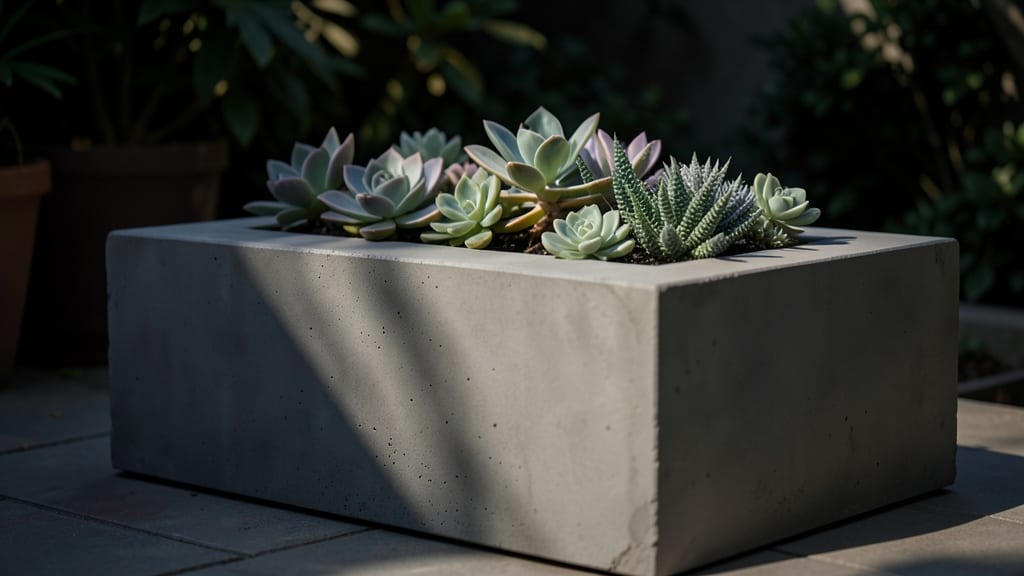
DIY Concrete Planter with Succulents

Elevate your darkest garden corners with a DIY concrete planter that combines modern architecture with shade-tolerant succulents like echeveria or haworthia. Unlike traditional planters, this sleek design thrives in low-light conditions while adding a bold, geometric statement to patios, balconies, or entryways.
Start with a pre-cast concrete planter (or mix your own with mold forms) and fill it with a well-draining cactus/succulent mix—these plants tolerate shade better than most and need less frequent watering. Place your planter in indirect light (like under a tree canopy) and water only when the soil feels completely dry to the touch. For extra drama, arrange echeveria in rosette patterns or let haworthia trail over the edges for a cascading effect.
This project is perfect for urban gardeners, modern minimalists, or anyone who loves low-maintenance design. The concrete’s durability means it’ll last for years, while the succulents require almost no upkeep—just a sunny spot and occasional pruning. 💡