
Light Requirements
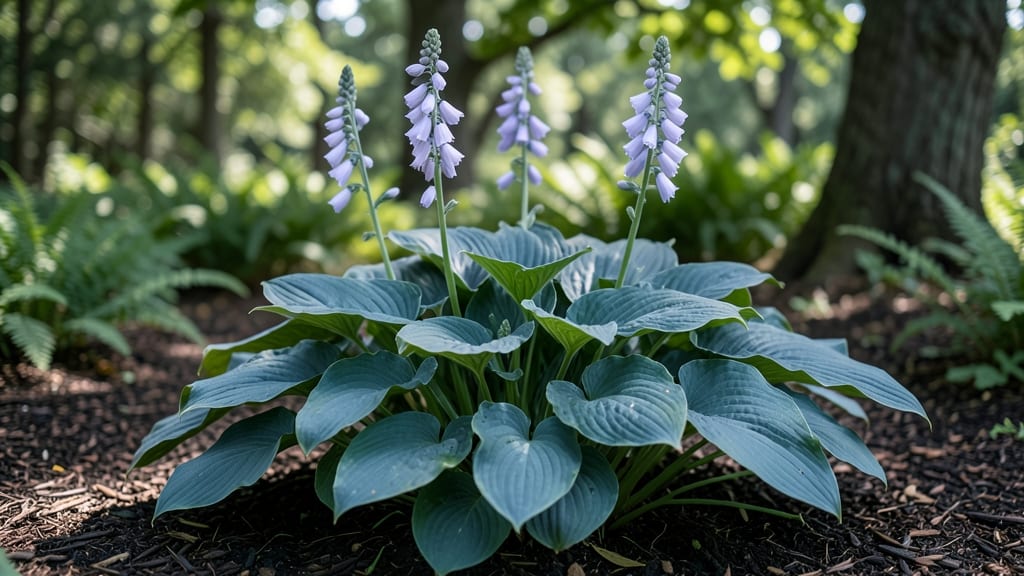
Transforming dark corners into lush, vibrant spaces starts with the right shade-loving plants. 🌿 These underappreciated beauties don’t just survive in low light—they thrive, offering texture, color, and year-round interest where sun-loving varieties fail.
My shady garden bed now bursts with foliage that would wilt in full sun, proving that shade isn’t a limitation but an opportunity for creativity.
From delicate ferns like Japanese painted fern (with its silvery fronds) to bold heucheras (with their jewel-toned leaves), these plants bring drama and elegance without demanding sunlight. Hostas and astilbes add height and structure, while impatiens and begonias deliver bursts of color that brighten even the gloomiest spots.
The key? Choosing varieties that match your shade level—deep shade for ferns, partial shade for hostas, and dappled light for impatiens.
You’ll end up with a garden that feels alive year-round, from the spring blooms of lungwort to the autumn foliage of coral bells. These plants also suppress weeds naturally, reducing maintenance while keeping your space lush and inviting.
The best part? They’re adaptable—whether you’re filling a woodland garden, a north-facing yard, or a shady patio corner.
Start with a mix of textures and colors to create depth, and don’t overlook ground covers like sweet woodruff or foamflower to tie everything together.
With the right selection, your darkest corners will become the most memorable spots in your garden—proof that shade isn’t a challenge, but a canvas waiting for the perfect plants.
📚 In This Guide
- What you need
- Instructions
- Tips and common mistakes
- Wrapping up and next steps
What you need
- ● Shade-tolerant plants: Choose from 5–10 varieties like hostas, heucheras, ferns, caladiums, or astilbes (check local climate suitability).
- ● Well-draining potting mix: 1–2 bags (10–15 gallons) of organic, peat-based or coco-coir mix for containers or garden beds.
- ○ Containers (optional but handy): 3–5 ceramic, plastic, or fabric pots (12–18 inches in diameter) for portability.
- ● Or, a raised garden bed (4’x8’ or smaller) with drainage holes.
- ● Slow-release fertilizer: 1–2 lbs of 10-10-10 or organic options like worm castings or fish emulsion.
- ● Mulch: 2–3 bags of shredded bark, pine straw, or composted leaves (2–3 inches thick) to retain moisture.
- ● Garden tools: Trowel or small shovel for planting.
- ● Gloves (1 pair) to protect hands.
- ● Watering can or hose with a gentle spray nozzle (for delicate foliage).
- ● Drip irrigation system: For consistent moisture in deep shade.
- ● Garden stakes or trellises: To support climbing plants like clematis or ivy.
- ● Soil pH tester: Ensures your mix is ideal (most shade plants prefer 6.0–7.0).
- ● Decorative stones or pebbles: For a polished, low-maintenance look.
Step-by-Step guide to designing a thriving shade garden
Transform your darkest corners into lush, vibrant spaces with plants that flourish without direct sunlight.
🌿 Step 1: Assess Light Conditions and Soil Quality
First, determine your shade level—deep shade (less than 2 hours of sunlight) requires the most careful plant selection, while partial shade (3-6 hours of sunlight) offers more flexibility. Use a flashlight to check for hidden light spots; even dappled light helps some plants thrive. Test your soil's moisture retention by squeezing a handful—if it stays clumped but isn't soggy, it's ideal. If it crumbles easily, amend with 2-3 inches of compost to improve water retention and fertility.
Here's the thing—shade gardens often have cooler, moister soil. Amend heavy clay with organic matter like leaf mold or well-rotted manure to prevent compaction. I like to spread a 1-inch layer of mulch after planting to keep roots cool and conserve moisture. This is especially critical in deep shade, where evaporation is minimal but drainage can become an issue.
🌱 Step 2: Select Plants for Your Specific Shade Level
For deep shade, prioritize plants like hostas, ferns, and astilbes, which tolerate minimal light. In partial shade, you can mix in heucheras, lungwort, and impatiens for vibrant color. I always group plants with similar light needs together—this prevents stress from mismatched growing conditions. Check plant tags for light requirements, but trust your own observations more; a spot labeled "partial shade" might actually receive more sun than expected.
Real talk: some plants labeled as shade-tolerant still perform better with a few hours of indirect light. If your space feels particularly dim, opt for glossy-leaved plants like Japanese painted ferns or caladiums, which handle low light better than their duller counterparts. These plants also help brighten the space with their reflective foliage.
☀️ Step 3: Prepare the Planting Area and Plant Correctly
Dig planting holes twice as wide as the root ball but only as deep as the container. This encourages roots to spread horizontally rather than settling too deep, which can cause rot in heavy shade. Gently loosen the roots of container-grown plants before placing them in the hole—this prevents root circling, a common issue that stunts growth. Backfill with the native soil you removed, mixing in a handful of compost for extra nutrients.
Water deeply right after planting to eliminate air pockets and settle the soil. You'll see the soil surface settle slightly as water fills gaps—this is your signal that roots are making contact with moisture. Mulch immediately after watering to lock in that moisture and keep roots cool. I use shredded bark or pine needles because they break down slowly and won't smother plants as they grow.
💧 Step 4: Establish a Consistent Watering Routine
Shade gardens often stay moist longer, but that doesn't mean they don't need regular watering. Check soil moisture by sticking your finger 1 inch deep—if it feels dry, it's time to water. Deep shade can create microclimates where water pools, so ensure your planting area has good drainage. If your soil stays soggy for more than a day after watering, consider raising beds or amending with sand to improve aeration.
Here's where it gets fun—shade plants often show stress differently than sun-lovers. Yellowing leaves might indicate too much water, while crispy edges suggest underwatering. Adjust your routine based on leaf texture: healthy shade plants have firm, pliable leaves that spring back when gently pressed. If leaves feel limp or brittle, you've got your answer.
✂️ Step 5: Maintain and Prune for Long-Term Health
Most shade plants benefit from a light pruning in early spring to remove dead or damaged foliage. I like to cut back by one-third to encourage bushier growth and better air circulation. For flowering plants like astilbes or hydrangeas, deadhead spent blooms to redirect energy into next year's flowers. This is especially important in shade gardens, where plants rely on stored energy rather than constant sunlight for growth.
Don't skip this (I learned the hard way)—some shade plants, like ferns, appreciate a division every few years to prevent overcrowding. Spring is the best time to divide; you'll see new growth emerging from the center of established clumps. This ensures your plants stay vigorous and prevents disease from stagnant, crowded roots.
Tips & tricks for perfect shade garden design
These essential insights will help you avoid common pitfalls and create a thriving shade garden that wows year after year.
Light Assessment: Use a flashlight test during the brightest part of the day to accurately map your shade levels. I've found that what looks like deep shade in winter often receives more light in summer—this affects plant selection. For true deep shade areas (less than 2 hours of sunlight), consider adding a few low-light-tolerant variegated plants like Japanese painted ferns to create visual interest through their contrasting foliage patterns.
Soil Preparation: The 2-3 inches of compost mentioned in Step 1 should be thoroughly mixed into the top 6-8 inches of soil, not just spread on top. I learned this the hard way when my hostas struggled in compacted soil despite having compost on the surface. For clay-heavy soils, incorporate organic matter like leaf mold or well-rotted manure—this improves drainage while maintaining moisture retention, which is crucial for shade plants that prefer consistently damp conditions.
Plant Placement: When arranging plants in Step 2, consider their mature size and growth habits. Place taller plants toward the back or center of your shade garden to prevent them from shading out smaller plants. I like to create layers with hostas in the middle tier and heucheras or impatiens in the front, while using ferns as vertical accents against walls or fences. This three-dimensional approach maximizes visual impact in low-light conditions.
Watering Wisdom: The 1-inch deep soil moisture check in Step 4 works best in the morning when soil is naturally cooler. If you notice water pooling after watering, create gentle slopes in your planting area to improve drainage while maintaining that essential moisture. For container plants in shade, water when the top inch feels dry—these dry out faster than in-ground plants due to their limited root space and the cooler, more humid shade environment.
Pro Tips for Shade Loving Plants
- These essential insights will help you avoid common pitfalls and create a thriving shade garden that wows year after year.
- Light Assessment: Use a flashlight test during the brightest part of the day to accurately map your shade levels.
- Soil Preparation: The 2-3 inches of compost mentioned in Step 1 should be thoroughly mixed into the top 6-8 inches of soil, not just spread on top.
Frequently asked questions
Got questions about turning your shady spots into lush, thriving gardens? You’re not alone! Here are some of the most common questions—and answers—to help you grow with confidence.
What are the best shade-loving plants for beginners?
Start with easy-care options like hostas, ferns, or heucheras. These plants are forgiving, adaptable, and perfect for low-light areas. For instant impact, try calatheas (with their stunning foliage) or impatiens (great for containers or borders).
How long does it take for shade plants to grow?
Growth speed varies! Slow growers like hostas or heucheras may take 1–2 years to reach maturity, while faster options like impatiens or coleus can flourish in just a few months. Patience pays off—shade plants often reward you with steady, reliable growth over time.
Can I grow vegetables or herbs in shade?
While most veggies need sun, shade-tolerant picks like lettuce, spinach, kale, and green onions thrive in partial shade. Herbs such as cilantro, parsley, and mint also do well in dappled light. Just avoid full shade for edibles—they’ll grow leggy or sparse.
Do shade plants need extra watering?
Shade can reduce evaporation, but consistent moisture is key. Water deeply 1–2 times per week (adjust for your climate) to keep soil evenly damp. Mulch helps retain moisture—just avoid piling it against stems to prevent rot. Overwatering is riskier than underwatering in shade!
What if my shade plant turns yellow or leggy?
Yellow leaves often signal overwatering or poor drainage, while leggy growth usually means it’s stretching for light. Try moving the plant to a slightly brighter spot (but still shaded) or prune leggy stems to encourage bushier growth. Hostas and ferns are especially prone to this—trim them back in early spring for a fresh start!
Can I grow shade plants in containers?
Yes! Containers are ideal for shade plants like calatheas, begonias, or ivy. Use well-draining soil and pots with drainage holes. Just remember: container plants dry out faster, so check soil moisture regularly. Terracotta pots help wick away excess water—perfect for humidity-loving varieties.
Wrapping up and next steps
Transforming your shady spots into lush, vibrant gardens is easier than you think! 🌿 From hostas and ferns to calatheas and begonias, these shade-loving plants prove that low light doesn’t mean low style.
With the right care—whether it’s adjusting soil, managing moisture, or choosing the perfect pot—you’ll create a thriving oasis that’s both functional and beautiful.
Ready to take the next step? Start small: Pick one plant from this list, test your space’s light levels, and watch it flourish! 🌱 Soon, your dark corners will be the envy of the neighborhood.