
Plants
Zone 6 gardeners with shady spots don’t have to settle for boring ground covers—these 10 full shade plants thrive without sunlight while adding texture, color, and life to your darkest corners. Perfect for under trees, north-facing walls, or dense shrubs, each plant here demands minimal care but delivers maximum impact.
Hostas for Bold Texture and Varied Foliage

If you love bold foliage but struggle with dull shade spots, hostas are your secret weapon. With over 3,000 varieties, they offer everything from chartreuse to deep purple leaves, creating visual drama where sunlight barely reaches. Their adaptability—thriving in deep shade and even repelling deer—makes them the ultimate low-maintenance star.
Plant hostas in moist, well-draining soil enriched with compost, and they’ll reward you with lush, textured leaves year-round. Most varieties grow 1-2 feet tall, perfect for borders or woodland gardens. For extra impact, pair contrasting colors (like blue hostas with silver foliage) or group them by size. Mulch heavily to retain moisture and suppress weeds, as hostas hate dry soil.
These shade-loving workhorses are ideal for beginners, urban gardeners with limited space, or anyone craving year-round interest with zero fuss. 🌿
Hellebores for Early Spring Blooms

When most of your garden is still asleep under snow, helleborus (commonly called Lenten roses) burst into bloom with their delicate, nodding flowers in shades of white, pink, and purple. These winter-hardy perennials thrive in full shade, making them perfect for Zone 6’s darkest corners where few other plants dare to grow.
Plant them in well-draining soil with a sprinkle of compost, and they’ll reward you with late winter to early spring blooms that last for weeks. Unlike many shade plants, hellebores tolerate dry spells once established, and their evergreen foliage provides year-round structure. Deadhead spent blooms to encourage more flowers, but otherwise, they’re nearly maintenance-free.
Ideal for gardeners who want early color without fuss, hellebores also attract pollinators like bees and butterflies. Perfect for borders, woodland gardens, or even containers, they’re a true low-light superstar. 🌷
Ferns for Lush Green Year-Round Interest

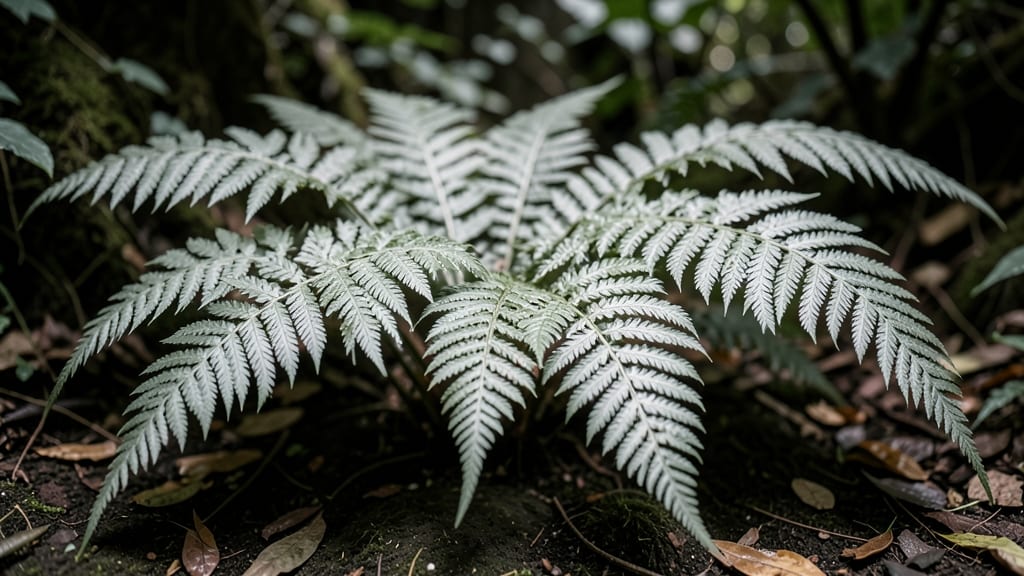
Skip the drama of seasonal blooms—ferns offer year-round texture with their delicate, feathery fronds that never demand attention. Unlike flowering plants, these no-fuss greens thrive in the damp, dim conditions where most gardeners give up, making them perfect for woodland-inspired beds or shady corners that need life.
For Zone 6, prioritize Japanese painted fern (with its striking silver undersides) or maidenhair fern (for lacy, almost translucent fronds). Both love consistently moist soil—think mulched beds or containers with good drainage—and prefer dappled or full shade. Divide clumps every 3-4 years to keep them vigorous, but otherwise, they’re the ultimate "plant and forget" choice.
These ferns transform shady spots into serene retreats while attracting pollinators like lacewings. Urban gardeners with balconies or small yards will love how they soften hard edges—just pair them with moss for a forest-floor effect with zero effort. 🌿
Astilbe for Feather-Like Summer Flowers

If you’ve ever struggled to find a full shade plant that delivers both beauty and function, astilbe is your answer. These feathery plumes in soft pink, white, or red burst into bloom from mid-to-late summer and last for weeks—even in the darkest corners of your garden. Unlike many shade plants, astilbe also helps stabilize soil with its lush, clumping foliage, making it a dual-purpose star.
Thriving in Zone 6’s full shade, astilbe prefers consistently moist (but not soggy) soil enriched with organic matter. Deadhead spent blooms to encourage more flowers, and divide clumps every 3–4 years to prevent overcrowding. Varieties like ‘Fanal’ (deep red) or ‘Deutschland’ (pink) add height and texture to borders or containers, while ‘Bridal Veil’ (white) creates ethereal drifts.
Perfect for gardeners who want low-maintenance color without sacrificing functionality, astilbe is especially great for slopes or areas prone to erosion. Its airy blooms also attract pollinators, making it a quiet hero in the shade garden. 🌻
Lungwort for Medicinal Beauty and Spotted Leaves

If you love plants with both medicinal history and striking visual appeal, lungwort (Pulmonaria) is your perfect shade garden ally. This underrated perennial offers silvery-spotted leaves that transform to solid green in spring, paired with delicate blue or pink flowers that pollinators adore—all while thriving where others fail.
Lungwort’s secret weapon is its drought-tolerant yet moisture-loving nature, making it ideal for damp, shaded spots under trees or along foundation plantings. Plant it in well-draining but consistently moist soil enriched with compost, and watch it spread gently over time. The spring blooms provide early nectar for bees, while its foliage remains attractive year-round.
Perfect for herb gardeners, pollinator advocates, and woodland-style designers, lungwort adds a touch of historical charm to modern shade beds. Its low-maintenance growth and healing legacy make it a standout for gardeners who value both beauty and purpose. 💚
Coral Bells for Vibrant Foliage and Cascading Flowers

If your shade garden feels like a missed opportunity for color, Coral Bells (Heuchera) prove you can have it all—striking foliage and delicate blooms. This versatile perennial thrives in full shade to partial sun, offering leaves in every shade from deep purple to lime green, with some varieties even sporting silver or chartreuse hues.
What makes Heuchera truly special is its dual-purpose nature: the bold, patterned leaves provide year-round interest, while clusters of tiny flowers in spring and summer add a soft, airy contrast. For best results, plant in well-draining soil with a 2-3 inch layer of mulch to retain moisture and protect roots. Urban gardeners will love its compact size (12-18 inches tall), making it perfect for containers or borders.
This plant is a game-changer for gardeners who want low-maintenance beauty without sacrificing impact—ideal for understory plantings or as a focal point in dark corners. 🌟
Solomon’s Seal for Arching Grace

Transform flat, boring shade borders into a dancing curtain of elegance with Solomon’s seal (Polygonatum)—a graceful perennial that bends and sways with dangling white flowers that resemble tiny bells. Unlike many shade plants that flop or fade, this arching beauty creates natural vertical lines that draw the eye upward, perfect for softening fences, woodland edges, or container spillers.
Thriving in Zone 6’s full to partial shade, Solomon’s seal tolerates moist, well-draining soil (even dry spells once established) and multiplies slowly to form lush colonies. Its glossy, lance-shaped leaves stay attractive year-round, while early summer blooms attract hummingbirds and butterflies. For best results, plant in groups of 3–5 along borders or let it spill over container edges—just avoid heavy pruning, as the arching stems are its signature charm.
This is the ultimate low-fuss plant for gardeners who want structure without fuss, especially in spots where other perennials struggle. Its deer-resistant foliage and decades-long lifespan make it a true investment for shade lovers who crave drama with minimal effort. ✨
Sweet Woodruff for Fragrant Ground Cover

Tired of struggling with weeds under your trees where sunlight never reaches? Sweet woodruff (Galium odoratum) is the secret weapon for transforming those barren spots into a fragrant, weed-free carpet. This deer-resistant ground cover thrives in full shade while releasing a subtle vanilla scent when its leaves are brushed—like nature’s own air freshener.
Plant sweet woodruff in well-draining soil enriched with compost, and watch it spread gently to form a dense, 6-inch-tall mat that blocks weeds and suppresses soil erosion. It blooms in late spring with tiny white flowers that attract pollinators, though the real magic is in its aromatic foliage. Mulch lightly to retain moisture, but avoid overwatering—this plant prefers consistent dampness without soggy conditions.
Perfect for gardeners who want low-maintenance beauty with sensory appeal, sweet woodruff is especially ideal for woodland gardens, fairy gardens, or understory plantings. Its delicate charm and practical benefits make it a must-have for anyone tired of battling weeds in shady corners. 🌱
Bleeding Heart for Romantic Heart-Shaped Flowers

Transform your darkest garden corners into a romantic retreat with bleeding heart (Dicentra spectabilis), a classic shade perennial that cascades with delicate pink or white heart-shaped blooms. Unlike many shade plants, bleeding heart thrives in moist, rich soil—making it perfect for understory plantings where few other flowers dare to grow.
Plant these early spring bloomers in well-draining but consistently damp soil enriched with compost, and they’ll reward you with 3-4 weeks of whimsical flowers that nod gracefully on arching stems. While they prefer shade, they tolerate morning sun in cooler climates like Zone 6. After blooming, the lush, fern-like foliage provides year-round texture, though the plant goes dormant in late summer—simply cut back old stems in fall and mulch heavily to protect roots.
Ideal for woodland gardens, cottage-style beds, or containers, bleeding heart adds a touch of old-world charm that’s perfect for gardeners who love romantic, low-maintenance perennials. Pair it with ferns or hostas for a dreamy, fairy-tale effect. 🌷
Japanese Painted Fern for Unique Silver Patterns

Looking for a shade-loving plant that adds architectural drama without needing sunlight? The Japanese painted fern (Athyrium niponicum var. pictum) delivers with its striking silver and green fronds that create a natural, textured focal point in any dark corner. Unlike other ferns, its bipinnate fronds feature silvery undersides that catch the light, making it a standout even in low-light conditions.
This fern thrives in partial to full shade, tolerating wet soil—making it ideal for rain gardens, boggy areas, or containers with good drainage. Plant it in moist, humus-rich soil and watch it spread gently over time. For containers, pair it with hostas or hellebores to create a lush, layered display. Prune spent fronds in early spring to encourage fresh growth, but otherwise, it’s a low-maintenance workhorse.
Perfect for urban gardeners with small spaces, woodland gardeners, or anyone craving year-round texture, this fern adds sophistication without the fuss. Its silver patterns elevate borders, containers, or shady garden beds with minimal effort. 💚