
Light Requirements
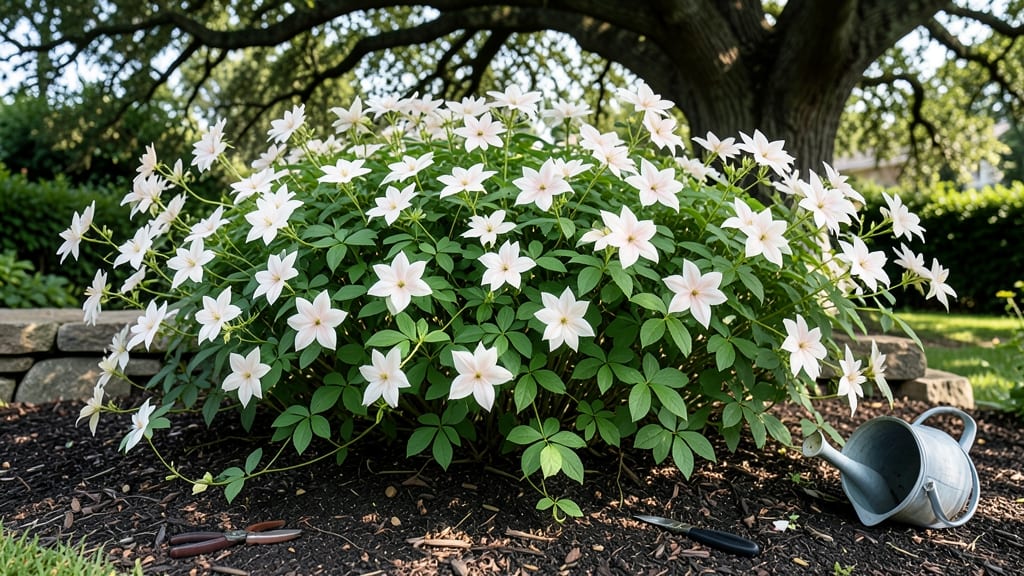
Shade-loving climbing flowering vines turn dark corners into lush vertical gardens. 🌿 I’ve transformed my shady patio into a fragrant, blooming retreat using vines that thrive where sunlight barely reaches—no sad, leggy plants here. These plants aren’t just survivors; they’re showstoppers.
Think Clematis with its cascading blooms or Honeysuckle filling the air with sweet perfume. They climb trellises, pergolas, or even old fence panels, adding structure and color where grass struggles to grow.
By summer’s end, you’ll have a living tapestry of flowers—some blooming in spring, others stretching their display into fall. The key is matching the vine’s light needs (partial shade vs. deep shade) and giving it the right support from day one. Perfect for patios, arbors, or even indoor vertical gardens.
Let’s pick the perfect vine for your shady spot!
📚 In This Guide
- What you need
- Instructions
- Tips and common mistakes
- Wrapping up and next steps
What you need
- ● Shade-tolerant climbing vines (3–5 plants): Clematis (e.g., Clematis montana or Clematis armandii)
- ● Honeysuckle (e.g., Lonicera periclymenum)
- ● Star jasmine (Trachelospermum jasminoides)
- ○ English ivy (Hedera helix) – optional for foliage contrast
- ● Support structure: Trellis (6–8 ft tall, metal or wood)
- ● Arbor or pergola (for larger spaces)
- ● String or twine (for temporary support)
- ● Potting mix: 1–2 bags well-draining, peat-based potting soil (or add perlite for aeration)
- ● Fertilizer: Slow-release balanced fertilizer (10-10-10) or organic compost
- ● Mulch: 2–3 inches of organic mulch (shredded bark or wood chips)
- ● Pruning tools: Bypass pruners (for clean cuts)
- ● Garden shears (for shaping)
- ○ Optional (but helpful!): Moisture-retentive gel crystals (for drought-prone areas)
- ● Plant ties (soft fabric strips for securing vines)
- ● Decorative pots or planters (if container-grown)
- ● Drip irrigation system (for consistent watering)
- ● A shady or partially shaded location (dappled light to full shade, depending on vine type).
- ● Access to a water source (vines need consistent moisture!).
- ● Time for regular maintenance (pruning, watering, and occasional fertilizing).
- ● Pro tip: Test your soil’s moisture level—shade-lovers hate soggy roots! 💡
Step-by-Step guide to planting shade-loving climbing flowering vines
Here’s how to transform dark corners into lush vertical gardens with vines that thrive without direct sun.
🌱 Step 1: Choose the Right Vine Varieties for Shade
Start with shade-tolerant climbers like clematis, climbing hydrangeas, or Japanese honeysuckle. These vines handle low to dappled light better than sun-loving options. Look for varieties labeled "shade-tolerant" or "partial shade." I always pick one vine per trellis to avoid overcrowding—each plant needs 3-4 feet of vertical space to grow properly.
Check the mature size on the plant tag. Some, like clematis, can reach 10-12 feet, while others like climbing ferns stay compact at 3-5 feet. Planting too close leads to tangled growth and fewer flowers. If your space is tight, opt for smaller varieties like star jasmine or coral vine, which stay under 6 feet.
☀️ Step 2: Set Up a Sturdy Trellis or Support System
Use a freestanding trellis, arbor, or sturdy wire mesh for climbing vines. The structure must support 10-20 pounds once the vine is mature. I avoid flimsy bamboo stakes—they bend under weight and damage stems. For a 6-foot trellis, bury the base 12 inches deep in the soil or anchor it with stakes and heavy-duty zip ties to prevent tipping.
Position the trellis where the vine will receive filtered light—think dappled shade from nearby trees. If your area gets no direct sun, choose Japanese honeysuckle or climbing hydrangea, which bloom even in 2-4 hours of morning light. Avoid placing trellises against dark walls; vines need some light to reach upward.
🪴 Step 3: Plant in Well-Draining, Moisture-Retentive Soil
Dig a hole twice as wide as the root ball but only as deep as the container’s base. Amend the soil with 2-3 inches of compost mixed into the native dirt—shade-loving vines need nutrient-rich soil to thrive. If your soil drains poorly, add a 50/50 mix of potting soil and perlite to prevent root rot.
Place the vine in the hole, ensuring the root flare (where roots meet the stem) sits 1 inch above soil level. Backfill with amended soil, pressing gently to remove air pockets. Water deeply until moisture reaches 6 inches down—this helps roots establish quickly. Mulch with 2 inches of shredded bark to retain moisture and regulate soil temperature.
💧 Step 4: Water and Fertilize for Strong Growth
Keep the soil evenly moist but not soggy for the first 4-6 weeks. Shade-loving vines like clematis need 1-1.5 inches of water weekly, but adjust based on rainfall. I check moisture by sticking my finger 2 inches into the soil—if it’s dry, water thoroughly. Overwatering leads to yellowing leaves or mushy stems, so always let the top inch dry slightly between waterings.
Fertilize lightly in early spring with a balanced, slow-release fertilizer (10-10-10). Too much nitrogen makes vines grow leaves instead of flowers. I skip fertilizer in fall and winter—these vines enter dormancy and need to rest. If your vine looks weak, a half-strength liquid fertilizer in late spring gives a gentle boost without burning roots.
✂️ Step 5: Train and Prune for Healthy Blooms
Gently tie new shoots to the trellis with soft plant ties or old fabric strips to guide growth upward. Avoid wire or plastic ties—they can girdle stems as the vine thickens. Prune in early spring before new growth starts. For clematis, cut back last year’s stems by half to encourage fresh blooms. For hydrangeas, trim spent flower clusters but leave foliage intact.
Watch for overly leggy growth—this means the vine isn’t getting enough light. If stems stretch too far between leaves, move the trellis to a sunnier spot or supplement with a grow light for 4-6 hours daily. Deadhead faded blooms regularly to redirect energy into new flowers. In late fall, cut back any dead or weak stems, but leave healthy growth for winter protection.
Tips & tricks for perfect shade-loving climbing flowering vines
Here’s what I’ve learned after years of transforming dark corners into thriving vertical gardens—these details make all the difference.
Variety Selection: When choosing your vine, consider the mature size and growth habits. Clematis, for example, needs 10-12 feet of vertical space to reach its full potential, while star jasmine stays compact at 6 feet. I always check the plant tag for mature height—planting too close to other vines leads to tangled growth and fewer blooms. If you're working with limited space, opt for coral vine or climbing ferns, which stay under 5 feet and won't overwhelm your trellis.
Trellis Stability: The 6-foot trellis mentioned in Step 2 needs to be anchored properly. I’ve seen too many flimsy bamboo stakes fail under the weight of mature vines. For extra stability, bury the base 12 inches deep or use heavy-duty zip ties to secure it to stakes. If you're using a freestanding trellis, position it where it won't get knocked over by wind—near a wall or fence helps. And remember, the structure should support 10-20 pounds once your vine is fully grown.
Light Optimization: Even shade-loving vines need some light to thrive. If your vine starts looking leggy with long stems and small leaves, it’s not getting enough light. Japanese honeysuckle and climbing hydrangeas can handle just 2-4 hours of morning light, but other varieties may need more. If your space is truly dark, consider supplementing with a grow light for 4-6 hours daily—this gives your vine the extra energy it needs to produce abundant blooms. Position the trellis where it can catch dappled sunlight filtering through nearby trees.
Pruning Strategy: Timing is everything when it comes to pruning. For clematis, I cut back last year’s stems by half in early spring before new growth starts—this encourages fresh blooms. For hydrangeas, I trim only the spent flower clusters, leaving the foliage intact. And here’s a trick I learned the hard way: avoid pruning in late summer or fall. New growth won’t have time to harden off before winter, making your vine more susceptible to frost damage. Always prune with clean, sharp shears to avoid tearing stems.
Pro Tips for Shade Loving Climbing Flowering Vines
- Here’s what I’ve learned after years of transforming dark corners into thriving vertical gardens—these details make all the difference.
- Variety Selection: When choosing your vine, consider the mature size and growth habits.
- Trellis Stability: The 6-foot trellis mentioned in Step 2 needs to be anchored properly.
Frequently asked questions
Got questions about transforming shady spots into vibrant vertical gardens? Here are some of the most common queries—and answers—to help you get started with confidence!
What are the best shade-tolerant climbing vines for flowering?
Top picks include Clematis (especially varieties like 'Jackmanii' or 'Nelly Moser'), Hoya carnosa, Actinidia kolomikta (kiwi vine), and Campsis radicans (trumpet vine, which tolerates partial shade). For full shade, Parthenocissus (Virginia creeper) or Lonicera sempervirens (coral honeysuckle) are fantastic choices.
How do I know if my vine is getting enough shade?
If your vine isn’t flowering, check its light exposure. Most shade-loving vines thrive in dappled or filtered light (like under trees) but avoid deep, dark corners. Look for yellowing leaves or stunted growth—signs it may need slightly more light. A light meter or observing nearby plants can help gauge conditions.
How long does it take for shade-loving vines to flower?
Patience is key! Most climbing vines take 1–3 years to establish and flower, depending on the variety. Clematis and hoya often bloom faster (1–2 years), while kiwi vines may take longer (2–3 years). Healthy soil, consistent watering, and proper support speed up the process.
Can I grow these vines in containers instead of directly in the ground?
Many shade-loving vines thrive in large containers (15+ gallons) with well-draining soil. Choose vines like Clematis or Hoya, which adapt well to pots. Use a trellis or obelisk for support, and ensure the container has drainage holes. Rotate pots occasionally for even light exposure.
What pests or diseases should I watch for with shade-loving vines?
Common issues include:
- Aphids (sap-sucking insects) on new growth—spray with soapy water.
- Spider mites (in dry shade)—mist leaves regularly.
- Powdery mildew (white fungus)—improve air circulation and avoid overhead watering.
- Root rot (from overwatering)—ensure pots have drainage and soil stays moist but not soggy.
Pro Tip:
If your vine isn’t flowering, it might need a winter chill (many varieties require it). Research your specific vine’s needs—some thrive in mild climates year-round!
Wrapping up and next steps
Transforming shady corners into lush, floral havens is easier than you think! Shade-loving climbing vines like Clematis, Hoya, or Passiflora bring drama and color to spaces where sunlight fades.
With the right support, soil, and care, you’ll enjoy seasonal blooms and vibrant foliage—without the harsh glare of full sun.
Ready to elevate your garden’s vertical game? 🌿 Start small: pick one vine, test your setup, and watch your space bloom! Whether you’re a novice or a green thumb, these beauties prove shade doesn’t limit style—it enhances it.