
Shrubs
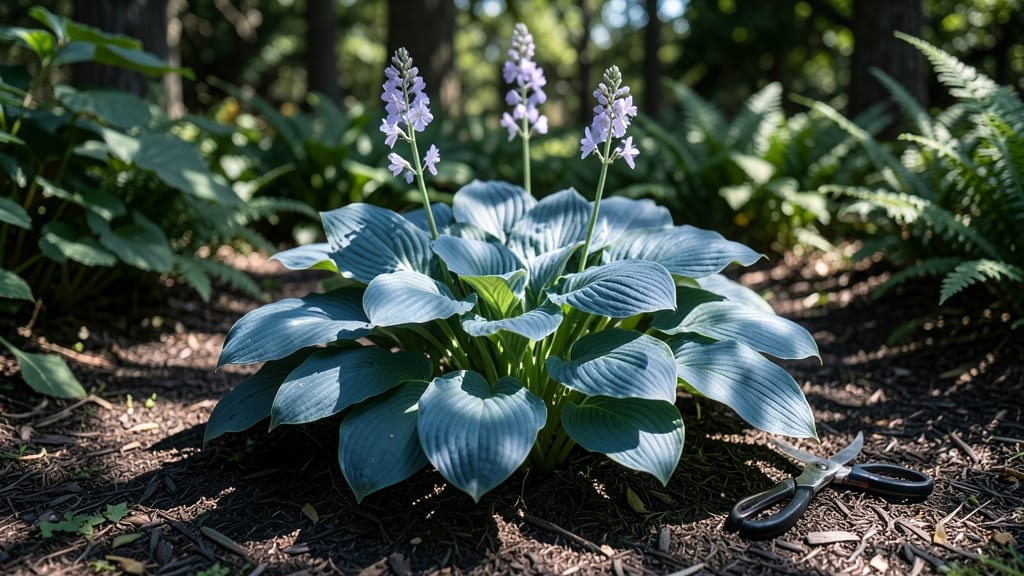
Providing shade in summer is essential for protecting shrubs from heat stress, using methods like temporary shade cloths, mulching, or planting near trees. Opt for 30-50% shade fabric to balance light exposure while preventing wilting during peak sun.
Summer heat can turn your shrubs' leaves crispy in days if you don't intervene. 🌿 The key is creating partial shade that keeps temperatures below 90°F—this prevents leaf scorch and conserves moisture.
I've seen shade cloth work miracles for boxwoods and azaleas, while mulching with 3-4 inches of organic material keeps roots cool. For shrubs already struggling, a quick fix is moving them under a patio or near evergreens for instant relief.
Timing matters too—install shade solutions by late spring before heat peaks. Drip irrigation paired with shade can double your success rate by keeping soil consistently moist. Just avoid full shade, which can weaken growth over time. The goal is protection without sacrificing the light they need to thrive.
💡 In This Article
- How Summer Heat Damages Shrubs and When Shade Matters Most
- Top 5 Summer Shade Solutions for Shrubs: Pros, Cons, and Setup Tips
How summer heat damages shrubs and when shade matters most
When temperatures climb above 85°F, shrubs experience a physiological stress response that manifests as leaf scorch—those telltale brown edges that appear within days. This happens because high heat increases transpiration rates by up to 40%, forcing plants to lose moisture faster than roots can absorb water.
The result? Cellular dehydration that causes leaf edges to crisp and curl like overcooked pasta. 🌡️
Different shrub species have varying heat thresholds. For example, azaleas and rhododendrons start showing stress at 80°F because their native habitats are cooler mountain regions, while boxwoods can tolerate 95°F thanks to their thick, waxy leaves.
The key is understanding your shrub's native climate range—those from Mediterranean regions (like lavender) handle heat better than tropical varieties (like hibiscus).
Shade works by creating a microclimate where air temperature drops 5-10°F and humidity increases by 10-15%. This reduces transpiration by 20-30% while preventing soil evaporation, which is why mulched areas stay moist longer.
The best time for shade intervention is when daytime highs exceed 90°F for more than 3 consecutive days—this is when most shrubs hit their physiological breaking point.
Root burn is another hidden danger. When soil temperatures exceed 95°F, beneficial mycorrhizal fungi die off, and roots stop absorbing water efficiently. This is why shade cloth placed 12-18 inches above ground creates a cooler air layer that indirectly protects roots.
I've seen cases where proper shading reduced root zone temperatures by 15°F during heatwaves.
Visual signs of heat stress appear in stages. First, leaves develop a dull grayish cast, then edges crisp upward, and finally, entire leaves turn brown and drop. At this point, even shade won't save them—prevention is critical.
The most vulnerable times are 10 AM to 4 PM when solar radiation peaks, making afternoon shade particularly valuable for heat-sensitive varieties.
Consider this: A 30% shade cloth blocks 30% of sunlight but reduces leaf surface temperatures by 10°F—this seemingly small difference can mean the difference between thriving and struggling. The goal isn't complete darkness but creating a balanced environment where shrubs can photosynthesize without overheating. 🌿