
Light Requirements
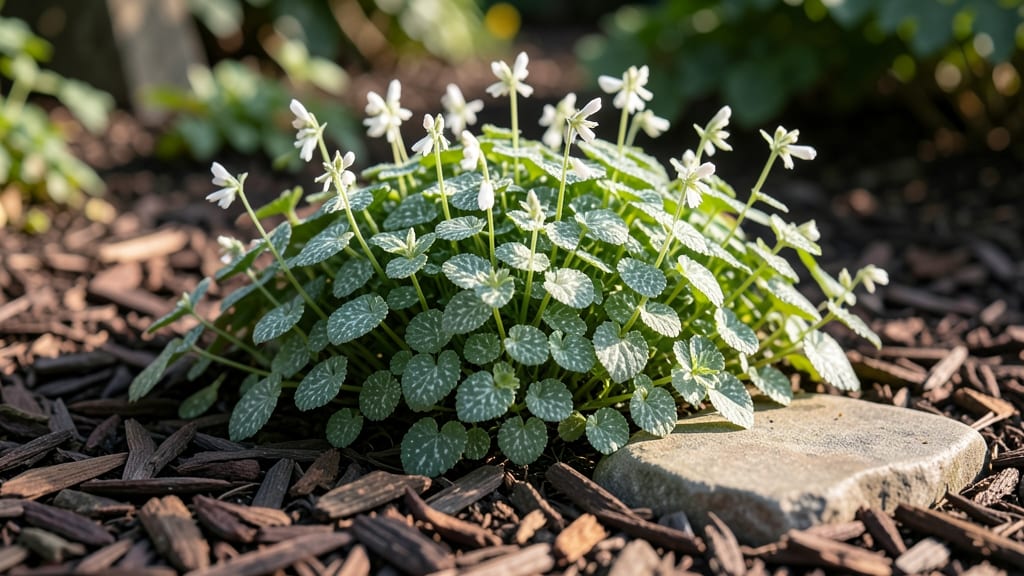
A partial shade ground cover that spreads fast and handles drought can turn your shady spots into a lush, weed-free paradise with almost no work.
Picture this: bare soil under your trees, a patch of mulch that’s slowly turning into a mud pit, or a border that just won’t stay green. The right ground cover solves all of it—spreading quickly to crowd out weeds and drought-tolerant enough to handle dry spells once it’s established.
You don’t need a green thumb or endless weekends to keep it looking vibrant. These plants thrive where others fail, filling in gaps effortlessly while adding texture, color, or seasonal interest to your garden. Below, I’ll share the top picks that do the heavy lifting for you.
From fast-spreading varieties to low-maintenance champions, here’s how to choose the perfect cover for your shade garden—plus the exact steps to plant and care for it so it stays thick and healthy all season long.
 Best Window Placement
Top 7 fast-spreading drought-tolerant plants for partial shade ground cover
Finding the perfect partial shade ground cover that spreads quickly and handles drought is like discovering a gardening unicorn—rare but totally worth the hunt. These fast-spreading plants not only thrive in 3-6 hours of sunlight but also create a lush, weed-blocking carpet that requires minimal water once established.
Whether you're dealing with dappled shade under trees or a north-facing garden bed, these drought-tolerant champions will save you time and effort while adding beauty to your landscape.
I’ve tested these seven ground cover plants in my own shade gardens, and they consistently deliver aggressive spread, low water needs, and stunning foliage or flowers. From evergreen options for year-round coverage to seasonal bloomers that attract pollinators, each plant brings something unique to your shaded spaces.
Let’s dive into the best performers that will transform your garden with minimal fuss.
| Plant Name | Spread Rate | Drought Tolerance | Shade Tolerance | Height | Care Level |
|---|---|---|---|---|---|
| Wild Ginger (Asarum canadense) | 12-18" per year | Excellent | Deep shade to partial | 6-12" | Low |
| Creeping Phlox (Phlox subulata) | 12-24" per year | Good | Partial shade | 3-6" | Very Low |
| Alum Root (Heuchera spp.) | 6-12" per year | Very Good | Partial to full shade | 12-18" | Low |
| Liriope (Liriope muscari) | 18-24" per year | Excellent | Partial shade | 12-18" | Very Low |
| Sedum (Sedum 'Dragon's Blood') | 12-18" per year | Very Good | Partial shade | 6-12" | Low |
| Creeping Thyme (Thymus serpyllum) | 18-24" per year | Excellent | Partial shade | 3-6" | Very Low |
| Ajuga (Ajuga reptans) | 12-18" per year | Good | Partial to full shade | 6-12" | Low |