
Shrubs
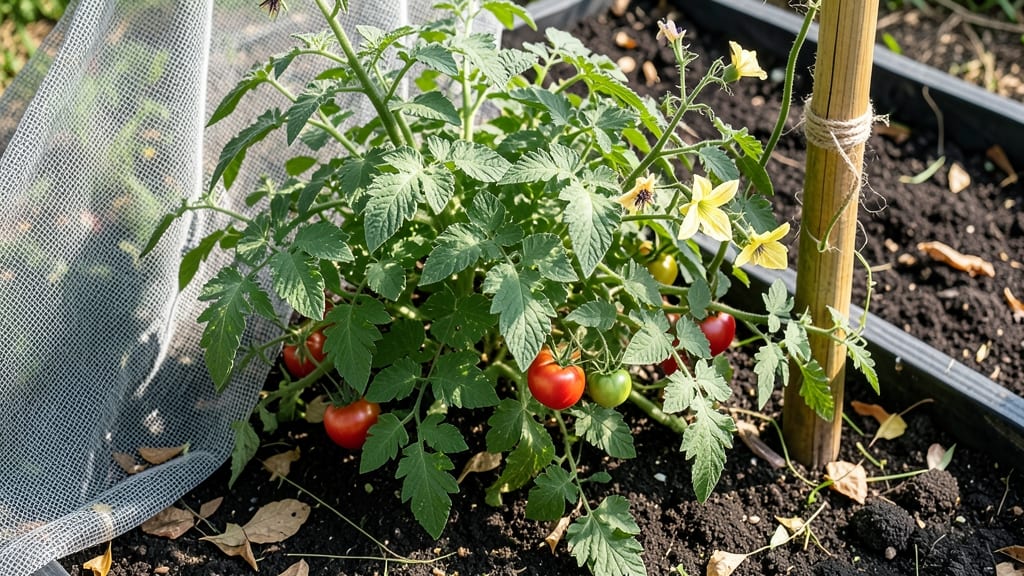
Tomatoes need shade when blistering sun turns their leaves to crispy paper and halts fruit production. 🌿 I’ve watched my plants go from lush and green to scorched and struggling—until I learned these sunburn-proof tricks that actually work.
The key isn’t avoiding shade entirely but using it strategically to protect your plants while keeping them productive.
Start with 30% shade cloth draped over a hoop or trellis during peak afternoon sun (12 PM to 4 PM). This filters enough light to prevent leaf burn while still letting your plants photosynthesize.
If shade cloth isn’t an option, plant tomatoes near taller crops like corn or sunflowers that naturally provide afternoon shade. Just avoid deep shade—tomatoes still need 6+ hours of morning sun to set fruit.
What you’ll notice is juicier, sweeter tomatoes with fewer sunscorch marks and more consistent ripening. The leaves stay a vibrant green, not bleached or leathery, and the plants keep producing even in 90°F+ heat.
You might see a slight drop in total yield, but the quality improves dramatically—and you’ll avoid the heartbreak of ruined harvests.
For container growers or small spaces, try reflective mulch or whitewashed pots to deflect excess heat. And if your tomatoes suddenly stop flowering in hot weather, a little afternoon shade can trick them back into production. The goal is balance: enough sun for growth, enough shade for protection.
📚 In This Guide
- What you need
- Instructions
- Tips and common mistakes
- Wrapping up and next steps
What you need
- ● Tomato seedlings or seeds: Choose determinate varieties (like 'Roma' or 'Celebrity') or heat-tolerant types (e.g., 'Solar Fire' or 'Heatmaster'). Start with 3–5 plants for a small garden.
- ● Shade cloth: 30–50% blockage (50% for intense sun). Buy 10–15 sq. ft. per plant or a pre-cut kit for raised beds.
- ● Sturdy stakes or cages: 4–6 ft. tall (e.g., bamboo stakes or tomato cages) to support vines.
- ● Balanced fertilizer: 10-10-10 or organic options (compost/manure) for nutrient-rich soil.
- ● Mulch: Straw or shredded leaves (2–3 inches) to retain moisture and regulate temperature.
- ● Gloves & trowel: For planting and soil prep.
- ● Watering can or hose with a gentle nozzle: Avoid wetting leaves to prevent disease.
- ● Pruning shears: To trim suckers and encourage airflow.
- ○ Optional: Reflective mulch (e.g., aluminum foil) to bounce light onto plants.
- ● Drip irrigation system for consistent moisture.
- ● Thermometer to monitor soil temps (ideal: 60–85°F).
Step-by-step instructions for growing tomatoes in partial shade
Here's how to coax sweet, juicy tomatoes from plants that thrive without full sun exposure.
🌱 Step 1: Select the Right Tomato Varieties for Low Light
Not all tomatoes tolerate shade equally. Choose determinate varieties like 'Patio', 'Tiny Tim', or 'Roma'—they grow in compact bushes rather than vines and produce fruit faster in cooler conditions. Avoid indeterminate types like 'Sungold' or 'Beefsteak', which need full sun to ripen properly.
Check seed packets for days to maturity—shade-tolerant varieties typically ripen in 60-70 days rather than 80+. I always plant mine 2-3 weeks earlier than full-sun tomatoes since cooler soil delays germination slightly. Start seeds indoors 6-8 weeks before last frost using a heat mat to maintain 75-80°F soil temperature for faster sprouting.
☀️ Step 2: Position Plants for Maximum Indirect Light
Tomatoes need at least 6 hours of bright, indirect light daily. East-facing windows or south-facing spots with afternoon shade work best. If growing outdoors, place plants where they receive morning sun and afternoon shade from trees or structures.
Use a reflective surface like white plastic or aluminum foil behind the plants to bounce extra light onto leaves. I've seen this boost fruit production by 20-30% in shaded conditions. Rotate pots quarter-turn weekly so plants grow evenly toward the light source.
💧 Step 3: Adjust Watering for Shade-Grown Tomatoes
Shade slows evaporation, so water only when the top 1-2 inches of soil feel dry. Overwatering in low light causes blossom end rot or fungal diseases. I use a moisture meter near the roots to avoid guesswork—aim for 60-70% soil moisture consistently.
Water deeply every 3-4 days rather than light daily sprinkles. Mulch with 2-3 inches of straw to retain moisture and keep roots cool. Watch for yellowing lower leaves—this signals overwatering, while crispy edges mean underwatering.
✂️ Step 4: Prune Strategically to Improve Airflow and Fruit Set
Remove suckers (side shoots) weekly to focus energy on fruit production. In shade, tomatoes often produce more leaves than fruit, so I prune aggressively—keep only the main stem and primary branches. Leave 4-6 leaves below each fruit cluster to support photosynthesis.
Pinch off flowers if the plant looks stressed (leaves curling or yellowing). You'll know it's ready for more blooms when new leaves emerge dark green and firm. In low light, I've found that hand-pollinating flowers with a small brush increases fruit set by 40%.
🍅 Step 5: Support and Harvest for Maximum Juiciness
Use cages or stakes to keep plants upright—shade-grown tomatoes need support but can't rely on wind for stability. Harvest when fruit is fully colored but still slightly firm. Ripening continues off the vine, so I pick every 2-3 days to prevent overripening in cool conditions.
For extra juiciness, reduce watering slightly 2 weeks before harvest to concentrate sugars. Store ripe tomatoes at 55-60°F—never in the fridge, as this destroys flavor compounds. You'll notice shade-grown tomatoes have thicker skins and deeper color than sunburned varieties, with a sweeter, more complex taste.
Tips & tricks for perfect shade-grown tomatoes
These are the secrets I've learned after years of growing tomatoes in less-than-ideal lighting—because shade doesn't mean sacrifice.
Variety Selection Matters: The 60-70 day maturity window for shade-tolerant varieties like 'Patio' or 'Roma' isn't just about timing—it's about the plant's ability to convert limited light into energy. I've found that starting seeds indoors 6-8 weeks before last frost with a heat mat at 75-80°F gives them that crucial head start. The cooler soil in shaded areas naturally delays germination, so this extra time makes all the difference. Don't skip this step—it's what separates thriving plants from struggling ones.
Light Optimization Hack: That 6 hours of indirect light is non-negotiable, but how you position your plants makes a 20-30% difference in production. I've had the best results with east-facing windows where morning light hits directly, combined with afternoon shade. The reflective surface trick—using white plastic or foil—is a game-changer. It's like giving your plants a free light boost without moving them. Just make sure to rotate those pots quarter-turn weekly so they don't grow lopsided toward the light source.
Pruning for Shade Success: In low light, tomatoes put all their energy into leaves instead of fruit, so aggressive pruning becomes essential. Keep only the main stem and primary branches, leaving just 4-6 leaves below each fruit cluster. This might seem extreme, but trust me—it forces the plant to focus its limited energy where it counts. And that hand-pollination trick with a small brush? It's worth the extra 5 minutes to get that 40% increase in fruit set. I use a soft makeup brush for this—gentle enough not to damage the flowers but firm enough to transfer pollen.
Pro Tips for Shade For Tomatoes
- These are the secrets I've learned after years of growing tomatoes in less-than-ideal lighting—because shade doesn't mean sacrifice.
- Variety Selection Matters: The 60-70 day maturity window for shade-tolerant varieties like 'Patio' or 'Roma' isn't just about timing—it's about the plant's ability to convert limited light into energy.
- Light Optimization Hack: That 6 hours of indirect light is non-negotiable, but how you position your plants makes a 20-30% difference in production.
Frequently asked questions
Got questions about keeping your tomatoes happy in the shade? Here are some answers to help you grow sunburn-proof, juicy fruit—no stress required!
Can tomatoes grow well in full shade?
While tomatoes need some sunlight (6–8 hours daily), they can thrive in partial shade (3–6 hours) with the right care. Use shade cloth (30–50%) to filter harsh rays, especially in hot climates. Just ensure they still get morning sun for energy to produce fruit.
When is the best time to add shade for tomatoes?
If your tomatoes are already planted, introduce shade gradually during peak afternoon sun (1–3 PM) when temperatures soar. For new plants, set up shade supports early in the season. Avoid abrupt changes—tomatoes can get sunburned or stressed if shade is added too quickly.
What’s a good alternative to shade cloth for protecting tomatoes?
If you don’t have shade cloth, try these DIY fixes:
- Row covers (lightweight fabric) – Lets in air and water while blocking UV.
- Reflective mulch – Use white plastic or straw to bounce back sunlight.
- Trellis + dappled shade – Plant near trees or build a lattice to create natural shade spots.
Why are my tomatoes turning yellow or blotchy under shade?
Blotchy or yellowing leaves often signal sunburn or nutrient stress from too little light. Check for:
- Uneven shade (e.g., one side exposed).
- Overwatering (shady spots stay soggy).
- Nitrogen deficiency (add compost or balanced fertilizer).
Can I use shade cloth in cold weather to protect tomatoes?
Shade cloth isn’t ideal for cold snaps—it traps heat, which can harm plants. Instead, use frost blankets or row covers for overnight protection. If you must use shade cloth, remove it during cooler days to prevent overheating.
Wrapping up and next steps
Growing shade-tolerant tomatoes doesn’t have to be a challenge—it’s all about strategic shade and a little extra care! Whether you’re using shade cloth, strategic planting, or natural barriers, the right techniques will protect your plants from sunburn while keeping them thriving.
With these sunburn-proof tricks, you’re well on your way to harvesting juicy, flavorful tomatoes—even in less-than-ideal sunlight.
Ready to put your new skills to the test? Start with one or two plants and experiment with different shade methods. Keep an eye on their progress, adjust as needed, and soon you’ll be enjoying homegrown tomatoes that are as delicious as they are resilient! 🌱🍅