
Flowers
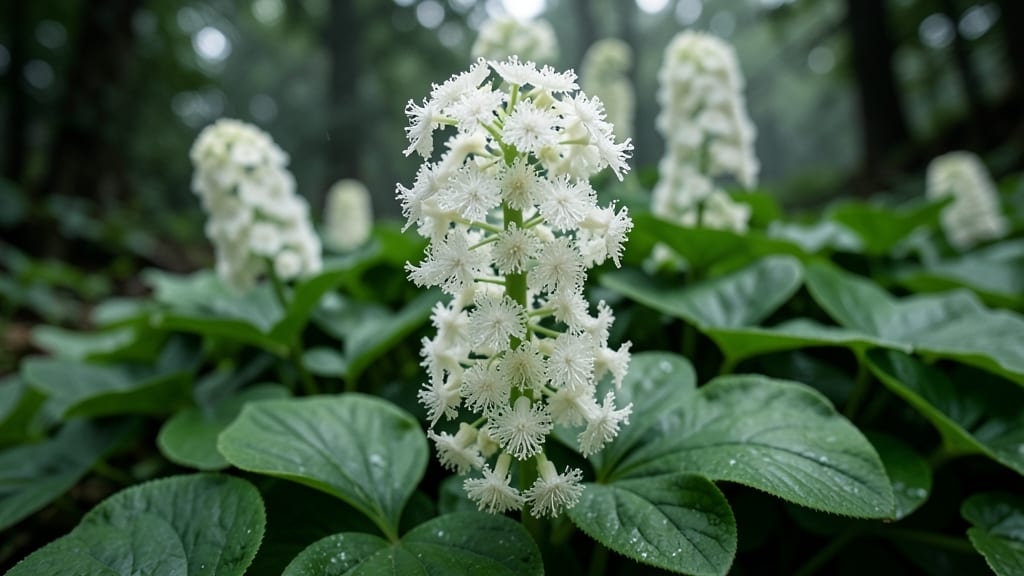
Tired of struggling to keep flowers alive in shady spots? These 10 shade-tolerant bloomers thrive in low light while delivering vibrant color from spring through fall—no direct sun required. Perfect for under trees, north-facing gardens, or patios with dappled shade.
Impatiens Walleriana: Classic Shade Annuals

If your garden has spots that seem impossible to brighten—think under trees or north-facing walls—Impatiens Walleriana is the secret weapon you’ve been missing. These shade-loving annuals burst into bloom with every color imaginable, creating a nonstop floral show from spring until frost. Unlike sun-hungry plants, they thrive in low-light conditions where most flowers struggle, making them perfect for containers, window boxes, or garden beds that get little direct sunlight.
To keep them happy, focus on consistently moist soil—they hate drying out—and plant them where they’ll receive at least 4-6 hours of filtered light daily. Deadhead spent blooms weekly to encourage more flowers, and fertilize lightly every 2-3 weeks with a balanced liquid fertilizer. Their compact growth habit (12-18 inches tall) makes them ideal for filling gaps or creating vibrant borders, and they’re deer-resistant, which is a bonus for rural gardeners.
Urban gardeners and beginners will love how forgiving impatiens are—they’re one of the easiest shade flowers to grow, yet they deliver year-round color with minimal effort. Just add water and watch your shady spots transform into a blooming paradise. 🌻
Hosta Hybrids with Lavender Blooms

If you love hostas but wish they had more than just stunning foliage, look no further than lavender-blooming hosta hybrids. These varieties—like 'Halcyon' or 'Royal Standard'—produce delicate, fragrant flower spikes in soft lavender hues that rise above their broad leaves, creating a stunning vertical contrast.
These hostas thrive in partial to full shade and prefer well-draining, moist soil, making them perfect for woodland gardens or under tree canopies. The lavender blooms attract pollinators like bees and butterflies, while their variegated leaves add texture to shady borders. Plant them in clusters for a dramatic, layered effect that blooms in late summer.
Ideal for gardeners who want low-maintenance, pollinator-friendly plants with year-round interest, these hostas bring both beauty and function to shady spots. 🌷
Bleeding Heart Flowers: Heart-Shaped Elegance

Want to add a touch of old-world charm to your shade garden without sacrificing blooms? Bleeding heart flowers (Dicentra spectabilis) bring delicate, heart-shaped blossoms in soft pink or white, creating a romantic focal point that thrives where other flowers struggle.
These partial-shade perennials bloom prolifically from late spring through summer, with arching stems that cascade beautifully over garden edges. Plant them in well-draining, moist but not soggy soil, enriched with compost, and they'll reward you with years of effortless color. Pair them with ferns or hostas for a lush woodland effect.
Perfect for beginner gardeners or those seeking low-maintenance elegance, bleeding hearts also make stunning cut flowers. Just be sure to divide clumps every 3-4 years to prevent overcrowding. 💚
Fuchsia Flowers: Hanging Baskets of Color

Want to transform your shady patio or balcony into a vibrant vertical garden without direct sunlight? Trailing fuchsias are your answer—these cascading beauties thrive in filtered light and spill over baskets in a dazzling display of purple, pink, or white blooms all summer long.
Plant them in well-draining potting mix and keep the soil evenly moist (but never soggy). Deadhead spent blooms to encourage nonstop flowering, and fertilize lightly every 4-6 weeks for maximum impact. Their drought-tolerant once established, making them ideal for urban gardeners with busy schedules.
Perfect for renters or small-space gardeners, fuchsias bring instant color to balconies, porches, or trellises under trees. 🌻
Astilbe Plants: Feathery Summer Blooms

Looking to add movement and texture to your shady garden without sacrificing color? Astilbe plants are the answer—these feathery plumes in pink, red, or white dance in the breeze all summer long, creating a soft, romantic display that thrives where sunlight is scarce.
Perfect for partial to full shade, astilbes bloom continuously from early summer through fall, making them ideal for borders, woodland gardens, or under tree canopies. Their lacy flower plumes (1-3 feet tall) pair beautifully with ferns, hostas, or heucheras, while their clump-forming habit keeps them tidy. Plant in well-draining, moist soil enriched with compost, and watch them reward you with years of effortless beauty—no deadheading required!
These low-maintenance perennials are a dream for gardeners who want long-lasting color with minimal fuss, especially in humid climates where they flourish. 🌷
Heuchera Coral Bells: Colorful Foliage and Flowers

If you’ve ever thought Heuchera Coral Bells were just about their stunning foliage, think again! These shade-loving perennials pack a double punch with delicate, airy flower spikes that rise above their purple, silver, or chartreuse leaves in spring and summer. Unlike foliage-only plants, coral bells deliver both color and texture—ideal for ground cover or containers where you want year-round interest.
Thriving in partial shade (3-6 hours of sun), they’re drought-tolerant once established and prefer well-draining soil. Their low-maintenance nature makes them perfect for busy gardeners, while their compact size (12-24 inches tall) fits seamlessly into borders or window boxes. For extra drama, pair them with ferns or hostas to create a layered, woodland-inspired look.
Urban gardeners and small-space enthusiasts will love how coral bells brighten shady spots without demanding constant attention. Their ability to thrive in containers also makes them ideal for patios or balconies. 🌱
Lobelia Flowers: Tiny Blooms with Big Impact

Turn your shady balcony or patio into a vibrant oasis with lobelia flowers, nature’s tiny powerhouses that pack a punch with their nonstop blue, purple, or white blooms. Unlike sun-loving plants, these trailing beauties thrive in partial to full shade, making them perfect for containers where sunlight is limited. Their delicate, star-shaped flowers cascade like a waterfall, creating a lush, colorful curtain that attracts hummingbirds and butterflies.
For maximum impact, plant lobelia in well-draining potting mix and keep the soil consistently moist (they wilt quickly when dry). Pinch back leggy stems in early summer to encourage bushier growth, and fertilize lightly every 4-6 weeks. Their compact size (6-12 inches tall)** makes them ideal for window boxes, hanging baskets, or spilling over container edges—no deadheading required for continuous blooms all summer long.
Perfect for urban gardeners, renters, or anyone with limited space, lobelia delivers instant color with zero fuss. Just add water and watch your shady spots transform into a blooming paradise. 🌿
Japanese Painted Fern: Unique Fronds and Flowers

If your garden has areas so dark that even ferns seem to struggle, Japanese painted fern (Athyrium niponicum var. pictum) is the unsung hero you’ve been missing. This fern thrives in deep shade where most plants give up, delivering silvery-green fronds that shimmer like moonlight on water—plus delicate, airy flower spikes that add unexpected height and texture.
Unlike many shade plants that focus solely on foliage, this fern offers year-round interest: its fronds emerge coppery-bronze in spring, mature to silvery-green, and develop subtle fall colors. Plant it in moist, well-draining soil enriched with organic matter, and watch it spread slowly (18-24 inches wide) to create lush ground cover under trees or along shady borders. Its drought-tolerant once established, making it ideal for woodland gardens where watering is challenging.
Woodland gardeners and shade enthusiasts will love how this fern transforms dull corners into textured, living tapestries. Pair it with hostas or astilbes for a layered, magical effect that thrives where sunlight rarely reaches. ✨
Sweet Woodruff Flowers: Fragrant White Blooms

If you’ve ever walked through a forest and inhaled that unmistakable vanilla-scented air, you’ve likely encountered sweet woodruff (Galium odoratum). This underrated ground cover transforms shady corners into fragrant, lush carpets with its delicate white blooms and spreading habit, making it the perfect solution for those stubborn bare spots under trees.
Sweet woodruff thrives in deep shade where most plants struggle, spreading rapidly to create a dense, weed-suppressing mat just 6-12 inches tall. Its vanilla-like fragrance intensifies when crushed or after rain, adding a sensory delight to woodland gardens. Plant it in well-draining, moist but not soggy soil, and watch it fill gaps effortlessly—ideal for borders, pathways, or as a living mulch.
Perfect for gardeners seeking low-maintenance, fragrant shade solutions, sweet woodruff also attracts pollinators and pairs beautifully with ferns or hostas. Just be cautious—it can spread aggressively in ideal conditions, so contain it with edging if needed. 🌿
Tiarella Foamflower: Foamy White Clusters

Looking to add a touch of ethereal elegance to your shady garden without the fuss? Tiarella foamflower delivers dreamy, foamy white clusters that resemble cascading lace, creating a soft contrast against deep green foliage. Unlike bold blooms, these delicate flowers thrive in the moist, dappled shade where many plants struggle, making them perfect for understory plantings or foundation beds.
This woodland native blooms prolifically from late spring through summer, with each plant producing multiple flower spikes that hover above the foliage like tiny clouds. Plant them in well-draining, humus-rich soil that stays consistently moist (but not soggy), and they’ll reward you with years of effortless beauty. Their clumping habit (12-18 inches tall and wide) makes them ideal for filling gaps between larger shrubs or as a ground cover under trees.
Perfect for gardeners who love low-maintenance perennials with a whimsical touch, tiarella pairs beautifully with ferns, hostas, or bleeding hearts for a lush woodland effect. Their ability to thrive in deep shade also makes them a star for north-facing gardens or urban courtyards with limited sunlight. 💚