
Flowers
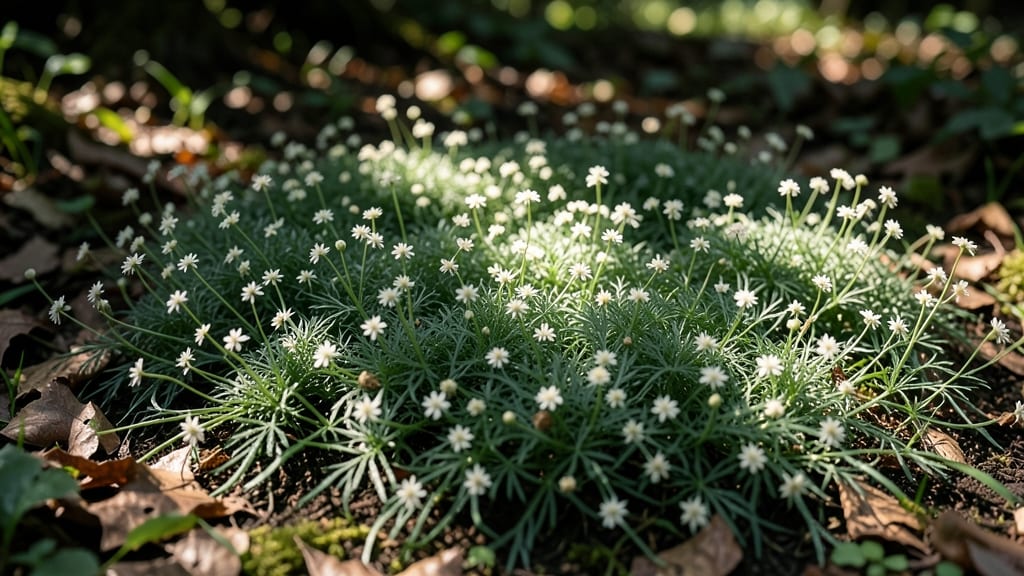
Transform your shady garden into a vibrant oasis with these 10 flowering shade plants. They deliver bold colors, easy care, and thrive where sun-loving blooms struggle—perfect for under trees, north-facing walls, or dense foliage.
Bleeding Heart Plant for Romantic Woodland Gardens

Craving a garden that feels like a storybook? The bleeding heart plant (Dicentra spectabilis) brings whimsical romance to shady corners with its heart-shaped pink or white flowers that dangle like delicate chandeliers from arching stems. This cottage garden staple thrives in partial to full shade, making it perfect for woodland edges or beneath mature trees where sunlight is scarce.
Plant in moist, well-draining soil enriched with compost, and provide morning sun or dappled shade to prevent leaf scorch. Staking may be needed for taller varieties, but the self-cleaning blooms (they drop naturally) reduce maintenance. For extended displays, choose 'Alba' for pure white flowers or 'Valentine' for deep pink hues that bloom from late spring through summer.
Ideal for gardeners who adore textured foliage and seasonal interest, bleeding heart pairs beautifully with ferns, hostas, and astilbe. Its reliable blooms and low-maintenance nature make it a must-have for shade gardens craving charm without fuss. 🌷
Hosta Varieties with Stunning Purple and Blue Flowers

Most gardeners grow hostas for their lush foliage, but 'Halcyon' and 'June' varieties steal the show with their lavender-blue flower spikes that rise dramatically above the leaves. These shade superstars bloom in late summer, offering a striking contrast to their broad, textured leaves.
To encourage blooms, plant in rich, well-draining soil with morning sun and afternoon shade. Deadhead spent flowers to prolong the display, and pair with ferns or astilbe for a layered woodland effect. These varieties thrive in USDA zones 3-9, making them versatile for cool climates.
Perfect for collectors who crave both foliage and flowers, these hostas add unexpected drama to shady corners without sacrificing their classic charm. 💚
Astilbe Plumes for Feathery Texture and Long Bloom Time

If you crave vertical drama in your shade garden without the fuss of tall trees or cumbersome structures, astilbe delivers with its airy, feathery plumes that dance in the breeze. Unlike many shade flowers that bloom briefly, astilbe extends its show from early summer through fall, offering pink, red, or white options to match any palette.
These clump-forming perennials thrive in partial to full shade and prefer moist, well-draining soil—ideal for spots under deciduous trees or along north-facing foundations. Deadhead spent blooms to encourage more flowers, and divide clumps every 3-4 years to keep them vigorous. Varieties like 'Fanal' (deep red) or 'Bridal Veil' (pure white) add height (18-36 inches) while filling gaps in borders or containers.
Perfect for gardeners who want low-maintenance height and season-long color, astilbe pairs beautifully with hostas or ferns for a lush, layered look. 🌻
Japanese Anemone for Late-Season Drama in Shade

When your garden feels like it’s winding down by early fall, Japanese anemone steps in to steal the show. This shade-loving perennial bursts into burgundy-pink blooms in September—long after most flowers have called it quits—making it a secret weapon for late-season drama.
Thriving in partial to full shade, Japanese anemone tolerates moist, well-drained soil and even tolerates some drought once established. Plant it in woodland gardens, under trees, or along shady fences for a pop of color when other plants fade. The delicate, daisy-like flowers also attract butterflies, adding extra life to your garden. 🌻
Perfect for gardeners who love autumn interest or want to extend their blooming season, this plant is low-maintenance and deer-resistant. It’s a must-have for anyone who wants their shade garden to shine well into fall. 🌿
Heuchera Coral Bells with Vibrant Foliage and Flowers

Want a shade garden that’s as striking in foliage as it is in flowers? Heuchera Coral Bells delivers with its bold, evergreen leaves in shades of purple, silver, or lime—paired with delicate white or pink flower spikes that rise above the foliage like tiny chandeliers. Unlike many shade plants that focus on one feature, this perennial gives you year-round color and seasonal blooms, making it a double-duty star.
Plant in partial to full shade with well-draining soil, and water consistently until established. Varieties like 'Palace Purple' or 'Lime Rickey' thrive in containers or garden beds, adding texture to modern designs. Deadhead spent blooms to encourage more flowers, and divide clumps every 3-4 years to keep them compact. These plants are also deer-resistant and drought-tolerant once settled in.
Perfect for urban gardeners or minimalist designers, Heuchera bridges the gap between foliage and flowers—ideal for small spaces where you want both impact and ease. 💚
Lungwort for Unique Spotted Leaves and Blue Flowers

Looking for a shade-loving plant that’s as tough as it is beautiful? Lungwort (Pulmonaria) delivers with its silver-spotted foliage and charming blue-purple blooms that appear in early spring—often when other shade plants are just waking up. This perennial thrives in partial to full shade and becomes drought-tolerant once established, making it ideal for dry spots under trees or along north-facing walls.
Plant in moist, well-draining soil enriched with compost, and provide consistent moisture until roots take hold. The spotted leaves (a trait that fades as they age) add visual interest year-round, while the early blooms attract pollinators like bees. Varieties like 'Sissinghurst White' or 'Blue Ensign' offer contrasting colors, and lungwort spreads slowly to form dense mats—perfect for ground cover or woodland gardens.
Medicinal gardeners will appreciate its historical uses, while low-maintenance lovers adore its self-sustaining nature. Pair it with ferns or bleeding heart for a classic shade combo that requires minimal effort. 🌿
Tiarella Foamflower for Delicate White Clusters

Tired of waiting for summer blooms to brighten your shady garden? Tiarella foamflower (Tiarella cordifolia) is nature’s early spring cheerleader, bursting into frothy white clusters as soon as the ground thaws. This woodland native thrives where other perennials are still sleeping, making it the perfect bridge between winter and summer color.
Plant in partial to full shade with moist, well-draining soil enriched with organic matter. Its heart-shaped leaves develop attractive silver markings in cooler weather, while the delicate flowers attract early pollinators. Varieties like 'Pink Skyrocket' add subtle pink hues, but the classic white remains the most ethereal. Mulch heavily to protect roots in winter and prevent soil compaction.
Woodland gardeners and minimalist designers will adore how tiarella pairs with ferns, hellebores, and bleeding heart for a dreamy understory effect. Its low-growing habit (6-12 inches tall) makes it ideal for borders, rock gardens, or as a living mulch. 🌿
Fuchsia for Hanging Baskets in Deep Shade

Tired of shady balconies feeling dull? Fuchsias like 'Giant Marble' bring bold, red-purple blooms to hanging baskets where sunlight barely reaches. These trailing beauties thrive in full shade to partial sun, making them perfect for urban spaces with limited light—think north-facing patios or tree-shrouded courtyards.
Plant in well-draining potting mix and keep soil consistently moist (but not soggy) for continuous blooms from summer through fall. Prune leggy stems in early spring to encourage bushier growth, and fertilize monthly with a balanced liquid feed. Varieties like 'Trailing Purple' or 'Apple Blossom' add cascading drama to containers, while their hummingbird-friendly flowers attract pollinators even in shady spots.
Ideal for renters, balcony gardeners, or anyone with limited outdoor space, fuchsias deliver high-impact color without the sun requirements of sun-loving flowers. Hang them near seating areas to enjoy their romantic, pendulous blooms up close. ✨
Columbine Aquilegia for Whimsical Spurred Flowers

Tired of shade gardens that look dull and predictable? Columbine (Aquilegia) brings whimsy and movement to dark corners with its uniquely spurred flowers in blue, purple, or yellow—each petal designed like a tiny birdhouse to attract hummingbirds and bees. Unlike other shade flowers that wilt in rocky soil, columbine thrives in woodland gardens or alpine beds where moisture drains quickly or roots compete for space.
These self-seeding perennials bloom from late spring to early summer and tolerate partial to full shade, making them perfect for north-facing beds or under deciduous trees. For best results, plant in well-draining soil with occasional watering once established—drought-tolerant varieties like 'Black Barlow' (deep purple) or 'McKana's Giant' (vibrant yellow) add height (18-36 inches) while resisting deer and rabbits. Deadhead spent blooms to prevent self-seeding where you don’t want it, but leave some to scatter for next year’s surprises.
Ideal for wildflower gardeners, pollinator enthusiasts, or rocky slope plantings, columbine adds vertical interest and color where other shade flowers fail. Its airy, almost magical blooms make it a standout in cottage gardens, woodland edges, or even containers. 🌟
Sweet Woodruff for Fragrant Ground Cover

Craving a fragrant, weed-suppressing ground cover that adds subtle charm to your shade garden? Sweet woodruff (Galium odoratum) is your answer—a delicate, low-growing perennial with tiny white flowers and a signature vanilla-like scent when crushed. Unlike bold bloomers, this plant thrives in the quiet beauty of dappled shade, making it perfect for under trees, along fences, or as a living mulch in woodland gardens.
Plant in partial to full shade with moist, well-draining soil, and watch it spread gently to form a lush, fragrant carpet by late spring. Its self-seeding habit helps it outcompete weeds naturally, while its spring blooms attract early pollinators like bees. For best results, pair it with ferns or hostas to create a layered, low-maintenance understory. Sweet woodruff also makes a lovely cut-and-come-again flower for fresh bouquets with its subtle, intoxicating aroma.
This is the ideal choice for gardeners who love effortless elegance—whether you're filling gaps in a shady border or creating a fragrant path. Its drought tolerance once established and deer resistance make it a hassle-free addition to any shade garden. 🌿