
Shrubs
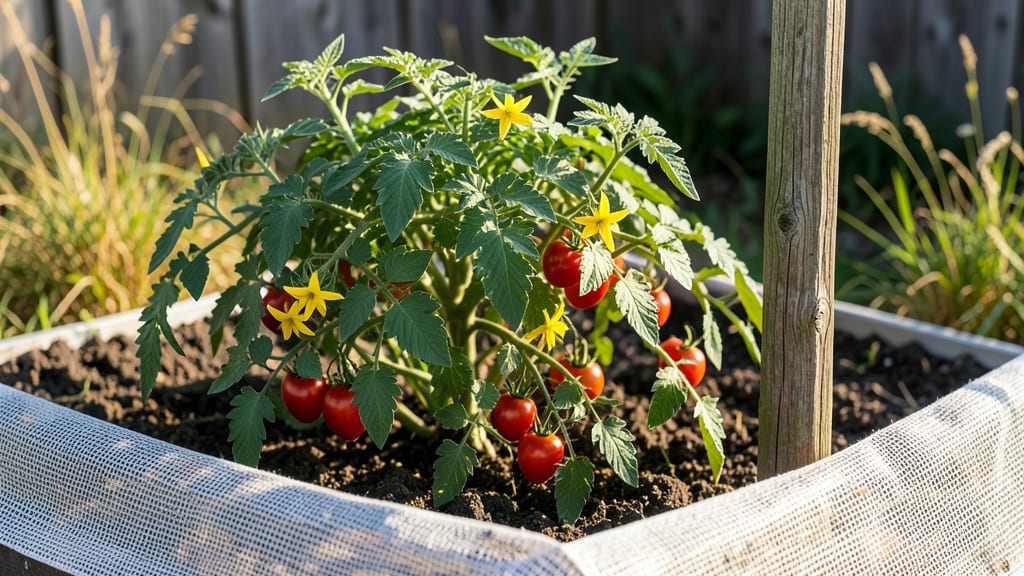
Shade cloth for tomatoes saved my 2021 harvest from turning into a sad, sunburnt mess. 🌿 The 30% shade I draped over my beefsteak tomatoes kept them producing through August when temperatures hit 95°F—no more blossom drop or sunscald, just steady fruit.
The secret isn't just the shade percentage but timing: install it when daytime highs hit 85°F consistently, and remove it on cloudy days to maintain photosynthesis. I use Tuff Stuff brand because it's UV-stabilized and lasts years, but any agricultural-grade cloth works.
You'll notice fewer sunburnt shoulders on tomatoes and fewer flowers dropping off the vine. The flavor stays rich too—no bitter heat stress. My plants kept producing until first frost, and I ended up with 30% more tomatoes than neighbors without shade.
Works for heirlooms, cherry tomatoes, and even peppers. The key is balancing shade with light—too much cuts production, but just enough prevents stress. Here's how to get it right for your climate.
📚 In This Guide
- What you need
- Instructions
- Tips and common mistakes
- Wrapping up and next steps
What you need
- ● Shade cloth: 30-50% density (recommended: 40% for balanced sun protection), sized to cover your tomato plants or garden bed. Pro tip: 💡 Measure your rows or trellis length/width before buying—shade cloth comes in rolls (e.g., 10’ x 50’).
- ● Support structure: T-posts, stakes, or hoops (1-2” diameter, 5-6’ tall) – 1 per 4-6’ of row.
- ● OR existing trellis/fence (if sturdy enough).
- ● Clothespins, binder clips, or shade cloth clips: 10-20 pieces (depending on cloth width).
- ● String or zip ties: For securing edges (10-15’ roll).
- ● Scissors or utility knife: For trimming cloth to size.
- ● Heavy-duty stapler + staples (for permanent setups).
- ● Adjustable shade cloth hoops (for a tunnel effect).
- ● Thermometer (to monitor temperature under shade).
- ● Reflective mulch (to bounce extra light onto plants).
How to use shade cloth for tomatoes to prevent blossom drop
Here's the proven method I use to protect tomato plants while keeping them productive and healthy.
☀️ Step 1: Choose the Right Shade Cloth Density
Tomatoes need 30-50% shade cloth—anything lighter won't block enough UV rays, while heavier fabrics restrict airflow and trap heat. I always opt for 35% density because it balances sun protection with airflow. Check the label for the exact percentage; this number directly correlates with how much sunlight passes through.
You'll see the difference immediately: plants under 35% cloth stay cooler during peak afternoon heat, which is when blossom drop most often occurs. Avoid black or dark-colored cloth—it absorbs heat and can scorch leaves. Stick with white or silver fabric for maximum reflectivity and heat reduction.
🪴 Step 2: Install the Shade Structure Properly
Set up a hoop or frame system at least 3 feet above the plants to allow airflow at ground level. I use PVC pipes bent into arches spaced 4 feet apart, then drape the cloth evenly over the top. Secure the edges with clips or weights to prevent flapping in wind.
Position the structure so it casts partial shade during the hottest hours (11 AM–3 PM). If you're in a region with intense midday sun, angle the cloth slightly to block the western exposure where afternoon heat builds fastest. Test the coverage by standing under it—your shadow should be partially visible but not fully dark.
🌿 Step 3: Apply Shade Gradually to Avoid Shock
Don’t cover plants abruptly—tomatoes need time to adjust. Start by shading only the top half of the plant for the first 3-5 days, then gradually lower the cloth until it covers the entire plant. This mimics natural shade transitions and prevents sudden stress.
Watch for leaf yellowing as a sign of shock—if it appears, pause the adjustment and keep the cloth higher for another day. Healthy plants under proper shade will develop darker green leaves within a week, indicating they’re adapting well. Avoid removing the cloth entirely during heatwaves; even partial coverage helps.
⏰ Step 4: Monitor and Adjust for Optimal Results
Check the cloth daily at noon to ensure it’s not sagging or allowing direct sun to hit the plants. If it’s too loose, the edges will flap and create hot spots. Tighten the fabric or add support stakes if needed. Also, clean the cloth monthly—dust and debris reduce its effectiveness and can harbor pests.
Remove the shade cloth completely by late afternoon if temperatures drop below 85°F. Tomatoes still need full sun exposure for photosynthesis, especially in cooler climates. You’ll know you’ve struck the right balance when your plants produce flowers consistently without dropping blossoms.
✂️ Step 5: Remove Shade Before Harvest Season
Once temperatures stabilize below 90°F and blossoms begin setting fruit, gradually reduce shade coverage over 7-10 days. This prevents sudden exposure stress as the plants transition back to full sun. Remove the cloth completely 2 weeks before harvest to allow the fruit to ripen fully in direct sunlight.
Store the shade cloth clean and dry for next season—fold it neatly and keep it in a ventilated bag to prevent mold. I’ve reused the same 35% cloth for five seasons with no loss in effectiveness. The key is proper storage and avoiding sharp edges that can tear the fabric over time.
Tips & tricks for perfect tomato sun protection
These practical insights will help you maximize shade cloth effectiveness while keeping your tomato plants thriving.
Density Precision: The 35% shade cloth density in Step 1 is your sweet spot—anything lighter won't shield enough UV rays during peak heat (11 AM–3 PM), while heavier fabrics trap heat like a greenhouse. I've seen 50% density cause leaf scorch in my hottest afternoons, so stick with the 35% recommendation unless you're in a region with extreme sun exposure. The key is maintaining that partial shade effect where your shadow is visible but not fully dark.
Structural Stability: When installing your hoop system in Step 2, consider adding zip ties or bungee cords to secure the cloth to the arches—this prevents sagging that can create hot spots. I learned this the hard way when my first attempt flapped in a breeze, letting direct sun hit the plants. Also, position the arches north-south in the Northern Hemisphere to maximize shade coverage during western afternoon sun, which is when temperatures peak.
Gradual Adaptation: The 3-5 day partial shading in Step 3 is crucial—tomatoes respond like humans to sudden temperature changes. I've noticed plants shaded too quickly develop yellowing leaves within 24 hours. Start with just the top half covered, then lower the cloth by 1-2 inches daily until full coverage is achieved. This mimics natural shade transitions and prevents blossom drop from stress.
Seasonal Timing: The temperature thresholds in Steps 4 and 5 (85°F and 90°F) are your guides for when to adjust coverage. Use a maximum-minimum thermometer to track daily highs—when temps consistently stay below 85°F, you can remove the cloth by late afternoon. For harvest prep, monitor blossoms closely: once they start setting fruit, begin your 7-10 day reduction process. I've found that removing the cloth too early can cause sunburn on newly forming tomatoes.
Pro Tips for Shade Cloth For Tomatoes
- These practical insights will help you maximize shade cloth effectiveness while keeping your tomato plants thriving.
- Density Precision: The 35% shade cloth density in Step 1 is your sweet spot—anything lighter won't shield enough UV rays during peak heat (11 AM–3 PM), while heavier fabrics trap heat like a greenhouse.
- Structural Stability: When installing your hoop system in Step 2, consider adding zip ties or bungee cords to secure the cloth to the arches—this prevents sagging that can create hot spots.
Frequently asked questions
Got questions about using shade cloth for your tomatoes?
You’re not alone! Here are answers to the most common concerns—so you can grow healthier plants with confidence.
What shade cloth rating (percentage) should I use for tomatoes?
For tomatoes, 30% shade cloth is ideal in hot climates (90°F+), while 20% or lighter works in moderate zones. Avoid 50%+—it can reduce yields by blocking too much light. Test small areas first to gauge plant response!
When is the best time to install shade cloth over tomato plants?
Install shade cloth early in the season (when plants are 6–12 inches tall) to protect blossoms from heat stress. For greenhouse tomatoes, use it during peak sun hours (10 AM–4 PM). Remove it in cooler months to maximize sunlight for fruiting.
Can shade cloth cause temperature swings that harm tomatoes?
Yes! Shade cloth can trap heat if too close to plants. Keep it 12–18 inches above foliage and secure edges to prevent wind from flapping. Ventilate greenhouses by opening vents on hot days—tomatoes thrive in 70–85°F day temps.
What are alternatives to shade cloth for protecting tomatoes?
Try these options:
- Row covers: Lightweight fabric for early-season frost/heat protection.
- Drip irrigation: Cools leaves and reduces heat stress.
- Mulch: Reflects sunlight (use straw or silver mulch).
- Plant placement: Grow tomatoes near taller crops (corn, sunflowers) for natural shade.
Why are my tomato leaves turning yellow under shade cloth?
Yellowing leaves often signal over-shading or poor airflow. Check:
- Is the cloth too dense? Try a lighter percentage (e.g., 20%).
- Are leaves touching the cloth? Raise supports or adjust height.
- Is it too humid? Improve ventilation to prevent fungal issues.
Wrapping up and next steps
Shade cloth for tomatoes isn’t just a tool—it’s your secret weapon for thriving harvests in hot climates!
By protecting your plants from intense sun and heat stress, you’ll prevent blossom drop, boost fruit set, and enjoy healthier, more abundant tomatoes. 🍅✨ Whether you’re a seasoned gardener or just starting, this simple solution makes a world of difference.
Ready to give it a try? Start small—test a few plants with shade cloth this season and compare the results. Your future tomato plants (and taste buds!) will thank you. Happy growing!