
Shrubs
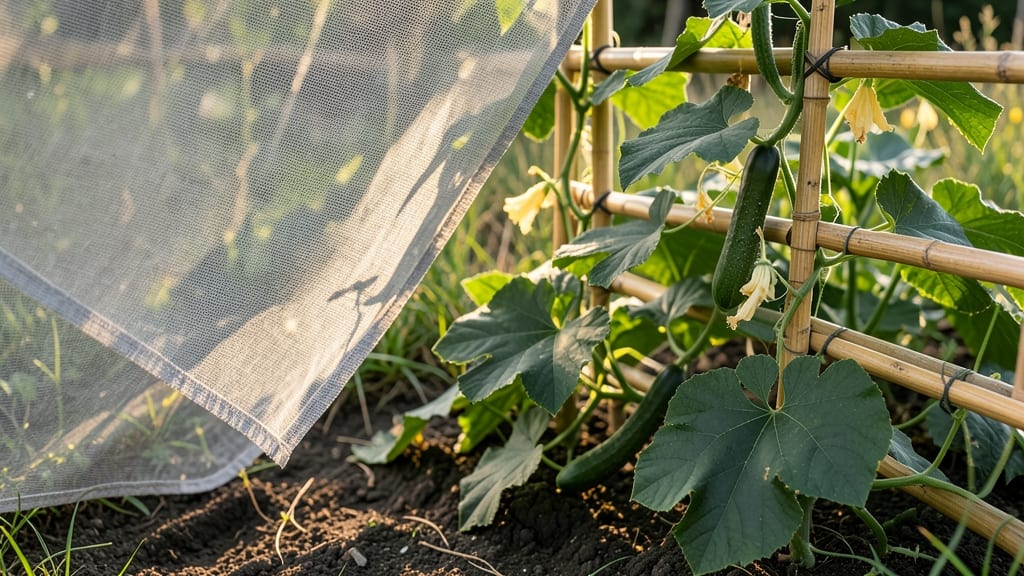
My cucumbers nearly died last summer from sunburn—until I draped shade cloth over them. 🌿 The right percentage blocks enough heat to prevent sunscald while still letting enough light for strong vines and sweet fruit.
I went from brown, blistered leaves to thriving plants that produced cucumbers until first frost.
Start with 30-50% shade cloth for partial shade gardens—enough to filter harsh afternoon sun without starving your plants. Install it 3-4 feet above the vines on a sturdy frame or trellis to allow airflow and prevent fungal issues.
For hot climates, consider 40-50% coverage during peak summer months, then remove it in cooler weather to maximize photosynthesis.
What you’ll gain is consistent growth without the stress of wilting or bitter fruit. The cloth also deters pests like cucumber beetles by making the plants less visible, and it keeps vines cooler during heatwaves.
Just remember to secure it tightly—even a small flap can flap wildly in the breeze and damage tender leaves.
Works for both trellised vines and sprawling plants, and it’s a game-changer for containers or small spaces where shade is limited. Once you try it, you’ll wonder how you ever grew cucumbers without it.
📚 In This Guide
- What you need
- Instructions
- Tips and common mistakes
- Wrapping up and next steps
What you need
- ● Shade cloth: 30-50% shade rating (choose based on your climate—lighter for hotter regions, slightly darker for cooler areas). Tip: A 10x10 ft. or 10x20 ft. roll works for most garden beds.
- ● Support structure: Wooden stakes (4-6 ft. tall) or PVC pipes
- ● Trellis netting or wire mesh (for vertical growth)
- ● Fasteners: Staple gun + heavy-duty staples (for securing cloth to stakes)
- ● Or zip ties + clips (for adjustable setups)
- ● Measuring tape & scissors (for custom cuts)
- ● Cucumber seeds or seedlings (choose bush or vining varieties)
- ● Adjustable shade cloth hoops (for easy roll-up/roll-down access)
- ● Thermometer (to monitor temperature under shade)
- ● Drip irrigation kit (to keep soil moist without overwatering)
- ● Reflective mulch (to bounce extra light onto plants if needed)
Step-by-step guide to protecting cucumbers with shade cloth
Here’s how to shield your cucumbers from harsh sun while keeping them thriving in partial shade.
🌱 Step 1: Choose the Right Shade Cloth Rating
Start by selecting the appropriate shade cloth percentage based on your climate. For cucumbers in hot, sunny regions, a 30-50% shade cloth blocks enough UV rays to prevent sunburn while allowing sufficient light for photosynthesis. In milder climates, a 10-30% cloth may suffice, especially if your cucumbers already receive some natural shade.
I always check the label for the light-blocking percentage—this tells you how much sunlight will reach the plants. For example, a 50% cloth lets in half the light, reducing heat stress while maintaining growth. Avoid heavy cloths like 70% or above, as they can stunt vines and reduce fruit production.
🪴 Step 2: Set Up Support Structures Before Installing Cloth
Before draping the shade cloth, install hoops, trellises, or frames to create a sturdy canopy. For cucumbers, I use 4-6 foot tall hoops spaced 4-5 feet apart in rows. Drive stakes into the ground and bend wire or PVC pipes into arches, securing them with garden ties or zip ties. This keeps the cloth taut and prevents sagging, which can trap heat and moisture.
If you’re working with existing trellises, drape the cloth over them loosely—cucumbers need airflow to prevent diseases like powdery mildew. Test the setup by gently pulling the cloth; it should hold firm without stretching. For larger gardens, consider corrugated metal or wooden frames for extra durability.
☀️ Step 3: Install and Secure the Shade Cloth Properly
Lay the shade cloth over the hoops or trellis, ensuring it covers the plants completely from top to bottom. Secure the edges with clips, stakes, or weights to prevent wind from blowing it away. I like using bungee cords or twist ties to fasten the cloth to the hoops, adjusting the height as the vines grow. Leave 1-2 inches of clearance between the cloth and the plant tops to avoid trapping heat.
Check for gaps—even small openings can let in too much direct sunlight, causing uneven shading. If you notice yellowing leaves or scorched patches, the cloth may not be covering enough. For extra protection, add a second layer of lighter cloth during peak afternoon sun (12 PM–4 PM), when UV rays are strongest.
💧 Step 4: Monitor Light and Adjust as Needed
After installation, observe your cucumbers for 2-3 days to gauge their response. Healthy vines should show deep green leaves without signs of stress like bleached spots or curled edges. If leaves appear pale or leggy, the cloth may be blocking too much light—try lifting it slightly or switching to a lighter percentage (e.g., from 50% to 30%).
Conversely, if you see sunburnt patches or wilting, the cloth isn’t providing enough shade. Adjust by lowering the edges or adding an extra layer during the hottest hours. I also recommend watering deeply in the morning to help cucumbers regulate their temperature—shade cloth can increase humidity, so avoid overhead watering in the afternoon to prevent fungal issues.
⏰ Step 5: Maintain and Store Cloth for Future Use
At the end of the season, remove the shade cloth and clean it thoroughly with a hose or mild soap to remove dirt and debris. Store it in a dry, shaded area (like a garage or shed) to prevent mildew. I fold mine neatly and keep it with my gardening supplies for next year—it lasts 3-5 seasons if cared for properly.
Before reinstalling the following year, inspect the cloth for tears or UV damage. If it’s brittle or faded, replace it; degraded cloth won’t protect your plants effectively. Pro tip: Mark the cloth with fabric markers to note which percentage and size it is, so you don’t mix them up in storage.
Tips & tricks for perfect cucumber shade protection
The right shade setup can transform your cucumber harvest—here's how to avoid common pitfalls and get the most out of your sun protection.
Climate-Specific Adjustments: The 30-50% shade cloth recommendation for hot regions isn't arbitrary—it balances UV protection with light needs. In areas with intense afternoon sun (like 12 PM-4 PM), consider adding a second layer of lighter cloth during those peak hours. I've seen cucumbers in my 90°F+ garden thrive with this double-layer approach during summer afternoons, while maintaining full sunlight in morning hours when temperatures are cooler.
Hoop Height Matters: Those 4-6 foot tall hoops aren't just for show—they create the perfect airflow while keeping the cloth taut. For bushier cucumber varieties, aim for the higher end (5-6 feet) to prevent the cloth from touching the vines. I learned this the hard way when my compact varieties got trapped under sagging cloth, leading to powdery mildew. Test your setup by gently pulling the cloth—it should hold firm without stretching more than 2 inches from the hoops.
Seasonal Shade Strategy: Don't treat your shade cloth like a one-size-fits-all solution. In early season when cucumbers are young, you might use a lighter 20% cloth to encourage growth, then switch to 40-50% as plants mature and summer heat intensifies. I mark my cloth with fabric paint to indicate the percentage and season it's best suited for—this saves me from guessing when I pull it out next spring. The key is matching the cloth percentage to both your climate AND your cucumbers' growth stage.
Wind Protection Tip: The 1-2 inch clearance between cloth and plant tops serves a crucial purpose—it prevents heat trapping while allowing airflow. But in windy areas, this gap can become a problem. I've found that adding a second row of hoops slightly offset creates a windbreak effect without sacrificing airflow. For coastal gardens where wind is constant, consider using heavier-duty cloth or securing it with additional stakes at the edges to prevent flapping.
Pro Tips for Shade Cloth For Cucumbers
- The right shade setup can transform your cucumber harvest—here's how to avoid common pitfalls and get the most out of your sun protection.
- Climate-Specific Adjustments: The 30-50% shade cloth recommendation for hot regions isn't arbitrary—it balances UV protection with light needs.
- Hoop Height Matters: Those 4-6 foot tall hoops aren't just for show—they create the perfect airflow while keeping the cloth taut.
Frequently asked questions
Got questions about using shade cloth for your cucumbers? You’re not alone!
Here are answers to the most common concerns—from setup to troubleshooting—so you can grow healthy, sunburn-free cucumbers with confidence.
What shade cloth density works best for cucumbers?
For cucumbers, a 30-50% shade cloth is ideal. This blocks enough UV rays to prevent sunburn while still allowing sufficient light for photosynthesis. In hot climates, opt for 50% to protect delicate leaves; in cooler areas, 30% may suffice. Always check the product label for specific recommendations!
When is the best time to install shade cloth over cucumber plants?
Install shade cloth before planting if your cucumbers are heat-sensitive (like most varieties). For established plants, add it gradually—start with partial coverage during peak sun (10 AM–4 PM)—to avoid shocking the plants. Remove it in early autumn when days shorten and temps drop.
Can I reuse shade cloth from year to year?
Shade cloth is durable and reusable for 3–5 years if stored properly. Clean it with mild soap and water to remove dirt or mildew. Avoid folding it tightly (which can cause creases) and store it dry in a cool, dark place. Pro tip: Use clips or weights to keep it taut during storage to prevent stretching.
What are alternatives to shade cloth for protecting cucumbers?
If shade cloth isn’t an option, try these DIY solutions:
- Row covers: Lightweight fabric (like Agribon) for early-season protection.
- Reflective mulch: Aluminum foil or white plastic to deflect heat.
- Drip irrigation: Keeps leaves cool with a light mist (avoid wetting foliage at night).
- Strategic planting: Grow cucumbers under trees or near north-facing walls.
Why are my cucumber leaves turning yellow under shade cloth?
Yellowing leaves often signal over-shading or poor airflow. Check these fixes:
- Ensure the cloth is 30–50% density and not blocking all light.
- Leave gaps at the bottom for ventilation (or prop up edges).
- Test for pests (like spider mites) or fungus (remove affected leaves).
- Water consistently—shade can alter moisture needs.
How do I secure shade cloth without damaging cucumber vines?
Use soft clips, bungee cords, or stakes to attach the cloth without piercing vines. Avoid staples or nails! For trellised cucumbers, drape the cloth above the plants and secure it to hoops or a frame. If using a hoop house, leave 1–2 feet of clearance at the top for airflow.
Wrapping up and next steps
Growing cucumbers with shade cloth is a game-changer for gardeners dealing with intense sun or partial shade! 🌿 By controlling light exposure, you’ll protect your plants from sunburn, boost yield, and even extend the growing season.
Whether you're a seasoned gardener or just starting, this simple solution makes cucumber cultivation easier—and more rewarding.
Ready to give it a try? Start small—test a few plants with shade cloth this season and watch your harvest thrive! For extra tips, check out our gardening resources or join a local gardening community to share your success.